


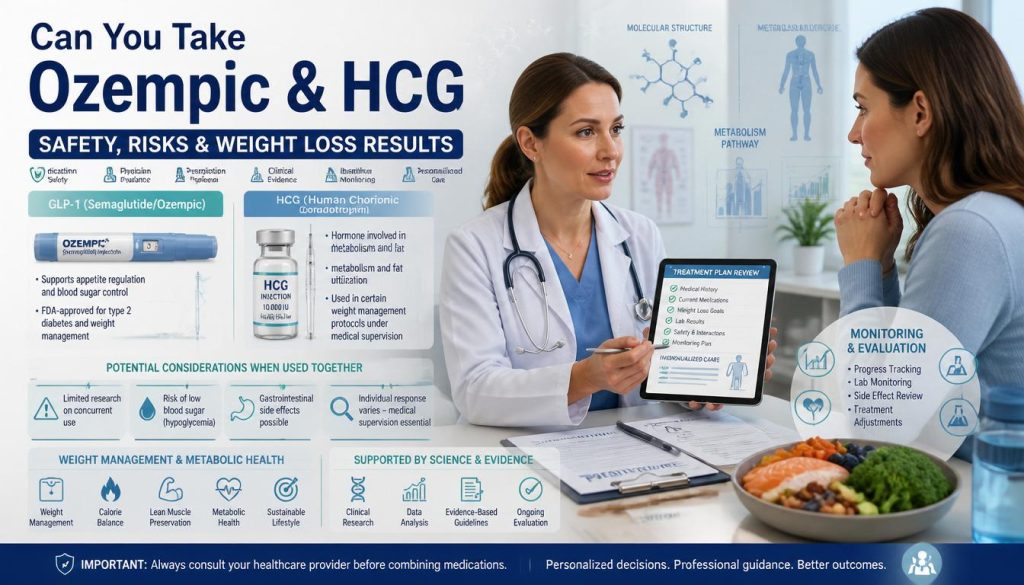
Imagine you have been prescribed Ozempic to help manage your weight or treat type 2 diabetes. The medication is working, but you frequently see discussions in online fitness communities, on social media, or from local wellness clinics about a different injection called Human Chorionic Gonadotropin, or HCG. Some sources claim that adding HCG to a weight loss protocol supercharges fat burning, preserves lean muscle mass, or balances hormones.
If you are already taking a powerful medication like Ozempic, it is entirely natural to wonder if these two treatments can be safely combined. Will stacking them speed up your results, or are there hidden risks that nobody is talking about?
Navigating the landscape of medical weight loss can be confusing, especially when combining a cutting edge metabolic medication with a traditional hormone therapy. To find the truth, we need to look at the distinct ways Ozempic and HCG function in the human body, evaluate the scientific evidence regarding their safety when used together, and establish what modern obesity medicine specialists recommend.
What Is Ozempic and How Does It Work?
Ozempic is a brand name for semaglutide, an injectable prescription medication belonging to a class of drugs known as GLP-1 receptor agonists. Originally developed as a type 2 diabetes treatment to improve blood sugar control, semaglutide has revolutionized modern weight management treatment due to its profound effects on weight loss physiology and metabolic health.
The medication functions by mimicking a naturally occurring hormone in the body called glucagon-like peptide-1. When you eat, your gut releases GLP-1 to signal fullness to your brain. Ozempic binds to these same GLP-1 receptors, but it remains active in the body much longer than the natural hormone.
This mechanism triggers several key physiological responses:
- Appetite Regulation: Ozempic acts directly on the hypothalamus, the area of the brain responsible for hunger and satiety, effectively silencing constant thoughts about food and reducing overall caloric intake.
- Delayed Gastric Emptying: The medication slows down the speed at which food leaves your stomach. This prolonged digestion helps you feel full faster and stay satisfied for longer periods after eating.
- Blood Sugar Control: It stimulates the pancreas to release insulin when blood sugar is high and reduces the liver’s production of excess glucose, making it an exceptional tool for metabolic health.
- Cardiovascular Benefits: Beyond weight loss, clinical evidence demonstrates that this GLP-1 medication reduces the risk of major adverse cardiovascular events, such as heart attacks and strokes, in adults with established cardiovascular disease and type 2 diabetes.
Because a semaglutide injection targets the root biological drivers of chronic hunger, it provides a highly predictable, evidence-based pathway for long-term weight management.
What Is HCG and Why Do Some People Use It?
Human Chorionic Gonadotropin, commonly referred to as HCG, is a naturally occurring hormone produced in high amounts during pregnancy. In conventional clinical practice, HCG injections serve very specific, FDA-approved purposes primarily rooted in fertility treatment and reproductive medicine.
For women, HCG is used to trigger ovulation and treat certain cases of infertility. For men, HCG injections are frequently prescribed to stimulate the testes to produce testosterone. This is highly valuable for treating male hypogonadism, preserving fertility, and maintaining normal sperm production when a patient is undergoing hormone replacement therapy.
The connection between HCG and weight loss stems from a controversial protocol introduced in the 1950s called the “HCG Diet.” This regimen paired daily HCG injections with a near-starvation diet of only 500 calories per day. Proponents claimed that the HCG hormone therapy altered metabolism, unlocked stubborn fat stores, and prevented the severe hunger and muscle loss typically associated with extreme calorie restriction.
However, decades of rigorous scientific study have debunked these claims. The Food and Drug Administration (FDA) has explicitly stated that there is no substantial evidence that HCG increases weight loss, causes a more attractive fat distribution, or decreases the hunger and discomfort associated with low-calorie diets. The agency requires all HCG products to carry a warning stating that the drug is not approved for weight reduction. While some wellness and anti-aging clinics still utilize HCG weight loss programs, mainstream obesity medicine clinics do not support HCG as an independent or evidence-based weight loss tool.
Can You Take Ozempic and HCG at the Same Time?
The primary question for many patients is direct: Can you take Ozempic and HCG together?
From a purely pharmacological standpoint, there are no major established direct drug interactions between semaglutide and Human Chorionic Gonadotropin. They belong to completely different drug classes and utilize entirely separate biological pathways. Ozempic targets metabolic and appetite pathways via GLP-1 receptors, while HCG interacts with reproductive hormone receptors.
However, the lack of an identified drug interaction does not automatically mean that combining them is necessary, effective, or universally safe. There is currently a total absence of large-scale clinical research evaluating the simultaneous use of these two medications for weight loss. Because medical societies have not established unified safety guidelines for this combination, individual patient circumstances must guide all clinical decisions.
Physicians do occasionally prescribe both medications concurrently, but this is typically driven by distinct, co-existing medical needs rather than an attempt to accelerate weight loss. For example, a male patient might be prescribed Ozempic by an endocrinologist to treat metabolic syndrome, while simultaneously receiving HCG injections from a urologist to treat low testosterone or preserve fertility. When utilized under strict, individualized medical supervision, managing these dual therapies is entirely possible, provided the treating physicians are fully aligned.
Does HCG Improve Weight Loss Results With Ozempic?
When evaluating whether HCG and Ozempic offer any synergistic fat-burning benefits, it is vital to separate clinical evidence from marketing claims.
There is zero high-quality scientific data suggesting that adding HCG to an Ozempic regimen improves weight loss results. The exceptional semaglutide results observed in landmark clinical trials are driven entirely by the medication’s ability to correct appetite dysregulation and support sustainable caloric deficits.
MEDICAL REALITY
Semaglutide Weight Loss: Driven by verifiable biological pathways (delayed gastric emptying, central appetite suppression).
HCG Weight Loss Claims: Driven by extreme caloric restriction in historic protocols, not the hormone itself.
Some clinics claim that HCG prevents the lean muscle loss that can occur during rapid weight loss on Ozempic. While it is true that maintaining optimal testosterone levels in men via HCG can support muscle preservation, there are far more reliable, evidence-based methods to protect muscle mass during your Ozempic journey. Prioritizing adequate daily protein intake and participating in regular resistance or strength training are the gold standards for preserving lean tissue.
Relying on an unproven hormone combination to enhance an already highly effective medication like Ozempic introduces unnecessary complexity without any verified clinical payoff.
Fertility, Reproductive Health, and Hormonal Considerations
Because HCG is a potent reproductive hormone, combining it with Ozempic requires careful planning, particularly regarding fertility and family planning.
Considerations for Women
The relationship between fertility treatment and Ozempic is a critical area of safety. Weight loss often restores normal ovulation in women struggling with Polycystic Ovary Syndrome (PCOS), naturally increasing fertility. However, semaglutide is strictly contraindicated during pregnancy.
Current medical guidelines state that a semaglutide injection must be discontinued at least two months before a planned pregnancy due to potential risks to the developing fetus. If a woman is taking HCG as part of an active fertility treatment or ovulation induction protocol, she should not be taking Ozempic concurrently.
Considerations for Men
For male patients, the focus is often on testosterone preservation and fertility support. Rapid weight loss can occasionally cause temporary fluctuations in hormone levels. If a male patient has low testosterone or wishes to protect his fertility while treating his metabolic health with Ozempic, a physician may determine that a targeted course of HCG hormone therapy is appropriate. In this specific therapeutic context, reproductive health and Ozempic use can co-exist safely under expert care.
Potential Risks and Side Effects
Any time you layer multiple therapies, you increase the potential for overlapping side effects, which can make it difficult to identify which medication is causing discomfort.
Ozempic Side Effects
The most common adverse effects associated with semaglutide are gastrointestinal. Because of delayed gastric emptying, patients frequently experience:
- Nausea and vomiting
- Constipation or diarrhea
- Heartburn and abdominal bloating
HCG Side Effects
As a hormone therapy, HCG carries its own distinct profile of potential side effects, including:
- Fluid retention and mild swelling
- Headaches and fatigue
- Irritability or mood shifts
- Injection site redness and pain
Overlapping Concerns
If you take Ozempic and HCG together, side effects like headaches or mild nausea can become amplified. Furthermore, severe caloric restriction while taking both medications drastically elevates the risk of nutritional deficiencies, muscle wasting, gallstones, and dangerous electrolyte imbalances. Comprehensive, ongoing monitoring by a qualified provider is essential to track kidney function, metabolic markers, and overall systemic tolerance.
Who May Need Extra Medical Supervision?
Combining metabolic treatments and hormone therapies is never a one-size-fits-all scenario. Certain patient populations face elevated risks and require intensive, individualized treatment plans:
- Patients with Diabetes: Stacking therapies while managing type 2 diabetes requires meticulous blood sugar monitoring to prevent unexpected hypoglycemic episodes, especially if other glucose-lowering drugs are in use.
- Individuals with Hormonal or Cardiovascular Disorders: Those with a history of thyroid abnormalities, blood clots, heart disease, or hormone-sensitive conditions require advanced metabolic syndrome tracking.
- Fertility Patients: Anyone actively undergoing reproductive interventions must have fully integrated care between their fertility specialist and their obesity medicine provider to prevent accidental fetal exposure to semaglutide.
Medication safety depends entirely on transparent communication. Your healthcare team must design a customized treatment protocol based on your verified medical history, rather than generalized advice.
What Do Obesity Medicine Specialists Currently Think?
Modern obesity medicine guidelines place a strong emphasis on evidence-based medicine. Today’s leading clinical organizations, including the Obesity Medicine Association and the Endocrine Society, universally favor GLP-1 medications like semaglutide because their safety, efficacy, and long-term metabolic benefits are supported by robust, peer-reviewed clinical evidence.
Conversely, mainstream medical societies do not support or recommend HCG for weight management. Specialists view the inclusion of HCG in modern weight loss programs as an outdated practice that introduces unnecessary hormone therapy risks without providing measurable clinical value.
The consensus among expert practitioners is clear: optimize your weight loss through proven metabolic pathways, maintain healthy hormone levels through standard medical care, and avoid combining therapies based on anecdotal claims or unverified wellness trends.
Frequently Asked Questions
Yes, it is physically possible to take them at the same time because there are no known direct drug interactions between them. However, doing so requires clear medical necessity and strict oversight by a physician, as there is no formal clinical research validating this combination for weight loss.
No. There is no scientific evidence proving that HCG enhances the effectiveness of Ozempic. The appetite suppression and metabolic improvements caused by Ozempic operate independently of the pathways influenced by HCG.
No direct drug interaction between semaglutide and HCG has been established in medical literature. They utilize entirely different physiological mechanisms to affect the body.
There is no data to support the claim that HCG increases weight loss when added to Ozempic. Any additional weight loss seen during historic HCG protocols was the result of extreme, unsustainable calorie restriction, not the HCG hormone itself.
No. The FDA has explicitly stated that HCG is not approved for weight loss or weight management. It is only FDA approved for specific medical conditions, such as female infertility and male hypogonadism.
Fertility patients can use Ozempic to improve metabolic health and weight before conceiving, but the medication must be completely discontinued at least two months before actively attempting to become pregnant or starting an IVF cycle.
Yes. Under proper medical guidance, a man may be prescribed HCG to treat low testosterone or preserve fertility while simultaneously using Ozempic to address type 2 diabetes or weight management.
Ozempic is not recommended during active fertility treatments that may result in immediate pregnancy. Because of potential fetal risks, it must be stopped well in advance of conception.
Absolutely. You should never combine hormone therapies and metabolic medications without consulting a qualified healthcare professional who can evaluate your complete medical history and ensure your safety.
Women who are pregnant or actively trying to conceive, individuals with a history of hormone-dependent cancers, and anyone undergoing weight loss programs that mandate dangerously low calorie goals should entirely avoid this combination.
Choosing a Safe Path for Your Metabolic Health
While patient curiosity regarding the combination of Ozempic and HCG is highly understandable, the scientific evidence heavily favors keeping your treatment simple and evidence-based. No major direct drug interaction has been found between these two compounds, but Ozempic has vastly superior, robust clinical data proving its power to safely transform metabolic health on its own. Adding HCG for the sole purpose of losing weight introduces unneeded hormone risks without offering any proven benefit.
Your journey toward optimal health is unique. The most effective way to protect your muscle mass, balance your hormones, and achieve sustainable weight management is to work hand-in-hand with a qualified specialist.
If you want to optimize your long-term results, we encourage you to discuss your specific health goals with your physician, review your current medication plans with an obesity medicine expert, and continue learning about evidence-based metabolic health through the trusted resources at Welloirthm.
Sources & Medical References
- U.S. Food and Drug Administration (FDA): HCG Diet Products Are Illegal and Dangerous
- National Institutes of Health (NIH): Daily Glucagon-Like Peptide-1 Receptor Agonist Treatment Physiology
- The New England Journal of Medicine: Once-Weekly Semaglutide in Adults with Overweight or Obesity (STEP 1 Trial)
- The Endocrine Society: Pharmacological Management of Obesity Clinical Practice Guidelines
- Obesity Medicine Association: The Role of GLP-1 Receptor Agonists in Chronic Weight Management
- American Society for Reproductive Medicine (ASRM): Recommendations for Managing Obesity and Fertility Therapies