

Have you just finished a balanced meal, yet your mind is already wandering to the pantry. For millions of people, this persistent mental chatter around food, often called “food noise,” is a daily exhausting reality. It is a biological hurdle that makes sustainable weight loss feel like an uphill battle against your own biochemistry.
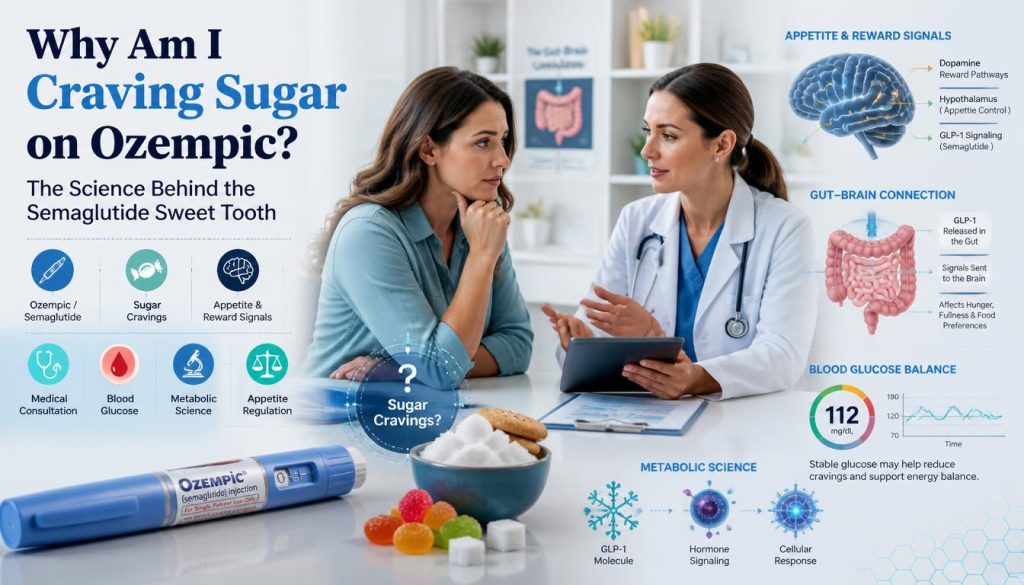
With the massive rise of prescription medications like semaglutide, the conversation around weight management has shifted dramatically. These medications work by mimicking GLP-1, a gut hormone that tells your brain you are full, slows down digestion, and stabilizes blood sugar.
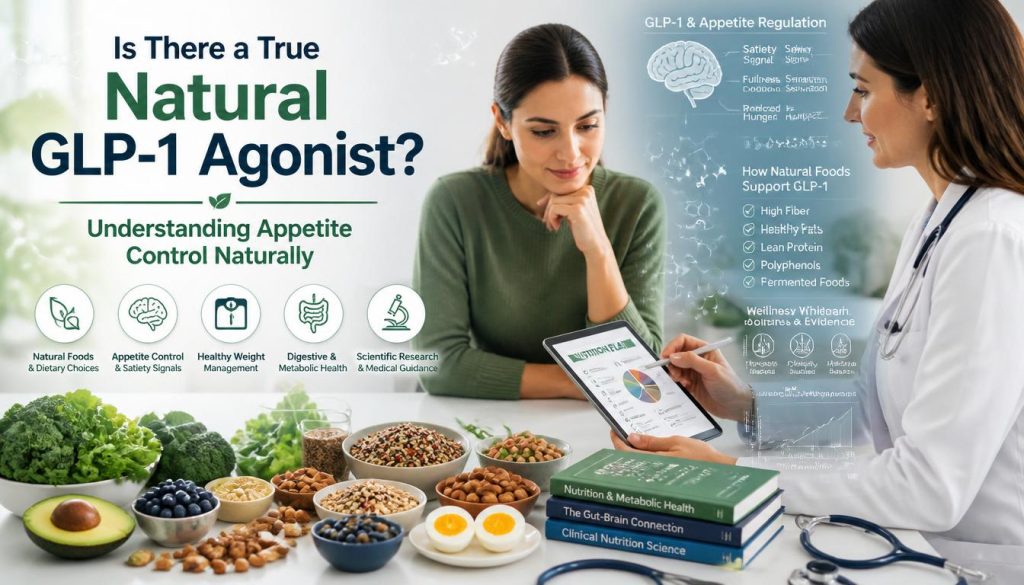
Because of their success, a vital question has emerged among those looking for holistic, accessible, or non-prescription options: Is there a natural GLP-1 agonist? Can we unlock the power of natural appetite control and metabolic health support through targeted nutrition, supplements, and lifestyle habits alone?
What Is GLP-1 and Why Is Everyone Talking About It?
Glucagon-like peptide-1, or GLP-1, is a metabolic hormone produced naturally in your gut, primarily in response to food intake. It acts as a crucial molecular messenger between your digestive tract and your brain, playing a multi-faceted role in metabolic health support:
- Satiety Signaling: It communicates directly with the hypothalamus in the brain to reduce hunger signals and turn off the constant preoccupation with food.
- Delayed Gastric Emptying: It slows down the speed at which food leaves your stomach, keeping you physically fuller for longer periods.
- Blood Sugar Regulation: It stimulates insulin secretion only when blood glucose levels are elevated, preventing sharp spikes and crashes.
Prescription semaglutide medications are synthetic GLP-1 receptor agonists. They are engineered to resist degradation, staying in your system for days to powerfully stimulate these receptors. While highly effective, their rapid rise has ignited a deep curiosity about how we might optimize our own natural appetite control hormones without a prescription.
Is There a Natural GLP-1 Agonist? The Hard Biological Reality
To answer the core question directly: scientifically speaking, there is no single food, herb, or supplement that acts as a true medical-grade natural GLP-1 agonist.
A pharmaceutical agonist is designed to mimic the exact structure of the hormone and lock onto cellular receptors with intense potency and longevity. Natural compounds do not do this. However, what nature does offer are highly effective nutritional triggers that stimulate your body’s L-cells to release its own indigenous GLP-1 hormone.
The fundamental difference lies in scale and mechanism. While prescription weight loss injections introduce a massive, long-lasting synthetic version of the hormone, natural semaglutide alternatives work by encouraging your body to naturally synthesize and release its own metabolic messengers. The results of natural GLP-1 support are generally gentler, build up more gradually, and require consistent lifestyle reinforcement, but they form the foundation of sustainable, long-term metabolic health.
Foods That Increase GLP-1 Naturally
The most reliable way to stimulate natural appetite regulation is through the specific macronutrients and compounds you consume. Certain foods act as biological triggers for gut hormone release.
High-Protein Foods
Dietary protein is arguably the most potent stimulator of natural GLP-1 secretion. When amino acids hit the lower intestine, they interact directly with L-cells. Opt for lean proteins like chicken, turkey, wild-caught fish, eggs, and plant-based options like lentils and tofu to enhance natural appetite suppressing foods in your daily routine.
Fermented and Fiber-Rich Foods
Dietary fiber, particularly soluble and fermentable fibers, is crucial for gut health and weight loss. When your gut microbiome ferments these fibers, it produces short-chain fatty acids (SCFAs) like acetate, propionate, and butyrate. These SCFAs bind to receptors in the colon, triggering a sustained release of GLP-1. Excellent sources include:
- Oats and barley (rich in beta-glucans)
- Brussels sprouts, broccoli, and artichokes
- Fermented foods like kefir, kimchi, and unsweetened Greek yogurt
Healthy Fats and Bitter Flavors
Monounsaturated fats, such as those found in extra virgin olive oil and avocados, promote satiety signaling. Additionally, emerging research suggests that bitter compounds (found in dark leafy greens, dark chocolate, and black coffee) stimulate bitter taste receptors in the gut, which can also trigger the release of metabolic hormones.
Natural Supplements and Ingredients Linked to GLP-1 Support
For those seeking non-prescription GLP-1 alternatives, several metabolic support supplements have demonstrated promising mechanisms in clinical and laboratory settings.
| Supplement | Primary Proposed Mechanism | Evidence & Considerations |
| Berberine | Activates AMPK pathway, mimics glucose uptake, supports gut SCFA production | Often called a natural alternative; effects are modest compared to drugs |
| Psyllium Husk | Forms a viscous gel, dramatically slows gastric emptying | Highly effective for mechanical fullness and long-term SCFA release |
| Resistant Starch | Resists digestion, undergoes deep bacterial fermentation in the colon | Excellent prebiotic properties; strongly tied to natural GLP-1 surge |
While green tea compounds (EGCG) and apple cider vinegar also assist with insulin sensitivity and blood sugar stability, it is vital to remember that supplements for appetite control should be viewed as supportive tools rather than instant fixes. Always seek professional guidance before introducing high-dose extracts into your routine.
Lifestyle Habits That Influence GLP-1 Naturally
Your body’s hormone production is heavily dictated by your daily circadian rhythms and stress levels. True natural weight management requires a holistic framework.
- Prioritize Restorative Sleep: Chronic sleep deprivation raises cortisol and ghrelin (the hunger hormone) while suppressing your body’s natural satiety cues. Aiming for 7 to 9 hours of quality sleep directly optimizes your daily metabolic baseline.
- Integrate Resistance and High-Intensity Exercise: Physical movement alters gut transit time and blood flow, which has been shown to acutely boost circulating GLP-1 levels post-workout.
- Manage Chronic Stress: High cortisol levels encourage fat storage and drown out satiety signaling. Mindfulness practices, walking in nature, and structured breathing exercises help preserve natural appetite regulation.
Semaglutide vs. Natural Alternatives: A Balanced Comparison
When evaluating your metabolic health path, weighing the distinct differences between FDA-approved GLP-1 medications and natural metabolic boosters helps set realistic expectations.
Strength of Effect and Speed
Prescription weight loss injections operate at a supra-physiological level, meaning they provide hormone signaling far beyond what the human body can naturally produce. Weight loss and appetite suppression are often rapid and profound. Natural strategies, by contrast, work within your body’s biological safety thresholds, yielding slower, steady, and incremental fat loss support.
Side Effects and Sustainability
Medications often come with notable gastrointestinal side effects, such as nausea, constipation, or transient diarrhea, and typically require long-term compliance to prevent weight regain. Natural methods carry virtually no adverse side effects, dramatically improve overall vitality, and foster long-term behavioral changes that can be sustained for a lifetime.
Who May Benefit From Professional GLP-1 Treatment?
While optimizing your diet and gut health is beneficial for everyone, some individuals face deep biological resistance that requires clinical intervention.
If you are navigating chronic obesity, severe insulin resistance, metabolic syndrome, or type 2 diabetes, your natural hormone signaling pathways may be significantly impaired. In these instances, relying solely on lifestyle changes can feel like an unfair battle.
Transitioning to a medically supervised semaglutide weight loss program can help reset these metabolic pathways. A comprehensive GLP-1 treatment consultation with a qualified medical provider allows you to explore whether your body requires the therapeutic strength of prescription tools alongside a healthy lifestyle foundation.
Frequently Asked Questions
There is no natural substance that replicates the extreme potency or molecular structure of semaglutide. However, a diet high in fermentable fiber, lean protein, and specific prebiotic supplements can naturally stimulate your body’s own GLP-1 production for milder appetite control.
Foods rich in soluble fiber (like oats, legumes, and chia seeds), lean proteins (eggs, fish, poultry), healthy monounsaturated fats (avocados, olive oil), and fermented foods (kimchi, kefir) are the most effective dietary triggers for natural hormone release.
Yes. Through strategic nutritional shifts, consistent resistance training, proper stress management, and optimal sleep habits, you can successfully enhance your body’s baseline production of satiety hormones without pharmaceutical intervention.
Supplements like berberine, psyllium husk, and specific probiotics offer measurable metabolic health support and can aid in appetite regulation naturally, but their effects are modest and gradual compared to prescription injections.
Berberine is frequently labeled a non-prescription GLP-1 by wellorithm alternative because it improves insulin sensitivity and influences metabolic pathways like AMPK. However, its chemical mechanism is completely different, and it does not mimic GLP-1 directly or match the weight-loss efficacy of semaglutide.
Yes. Studies show that structured exercise, particularly high-intensity intervals and strength training, along with keeping a strict sleep schedule and lowering chronic stress, directly improves your body’s natural hormone responsiveness.
The safest approach centers on sustainable fat loss support: achieving a modest caloric deficit driven by a nutrient-dense, high-protein, high-fiber diet, combined with regular strength training and close monitoring of your metabolic health markers.
For raw weight loss velocity and profound appetite suppression, FDA-approved medications are significantly more powerful. However, natural methods are safer, highly accessible, and essential for long-term health maintenance.
Cultivating Lasting Metabolic Harmony
Ultimately, the quest for a natural GLP-1 agonist reveals an encouraging truth: your lifestyle and dietary choices wield incredible power over your internal biology. While natural methods do not match the immediate, heavy-handed suppression of prescription weight loss injections, they offer a gentle, health-affirming path to sustainable appetite balance and vibrant well-being.
Whether you choose to optimize your body’s natural hormone production through functional nutrition, or decide that your biology requires the assistance of modern medicine, you do not have to navigate this journey alone.
If you are ready to quiet the food noise and build a sustainable blueprint for your health, reach out to our clinic today to schedule a comprehensive metabolic health consultation. Together, we can explore the best medical or lifestyle paths tailored to your unique biology.