



Understanding the healthcare system can often feel like solving a puzzle with moving pieces, especially when trying to access highly discussed metabolic treatments. If you are managing your weight, dealing with type 2 diabetes, or working through metabolic health challenges, you have undoubtedly heard about the breakthrough class of medications known as GLP-1 receptor agonists.
Perhaps you are already seeing a gastroenterologist for an ongoing digestive concern, such as metabolic-associated steatotic liver disease (formerly known as fatty liver disease) or chronic acid reflux. As you explore your treatment options, a practical question might cross your mind: Can a gastroenterologist prescribe Ozempic? Or is that a task strictly reserved for your primary care doctor or an endocrinologist?
Because Ozempic and similar semaglutide injections work intimately with your digestive system, the connection between gastroenterology and metabolic health is stronger than ever. Let’s look closely at how specialized digestive health providers view these medications, when they can prescribe them, and how they help patients navigate the benefits and side effects of treatment.
What Is Ozempic and Why Is It So Commonly Prescribed?
To understand why a GI doctor might be involved in your care, it helps to understand exactly what Ozempic is and how it functions inside your body.
Ozempic is an injectable prescription medication containing the active ingredient semaglutide. Originally approved as a type 2 diabetes medication, it belongs to a class of drugs called GLP-1 (glucagon-like peptide-1) receptor agonists. It mimics a natural hormone your gut secretes after you eat.
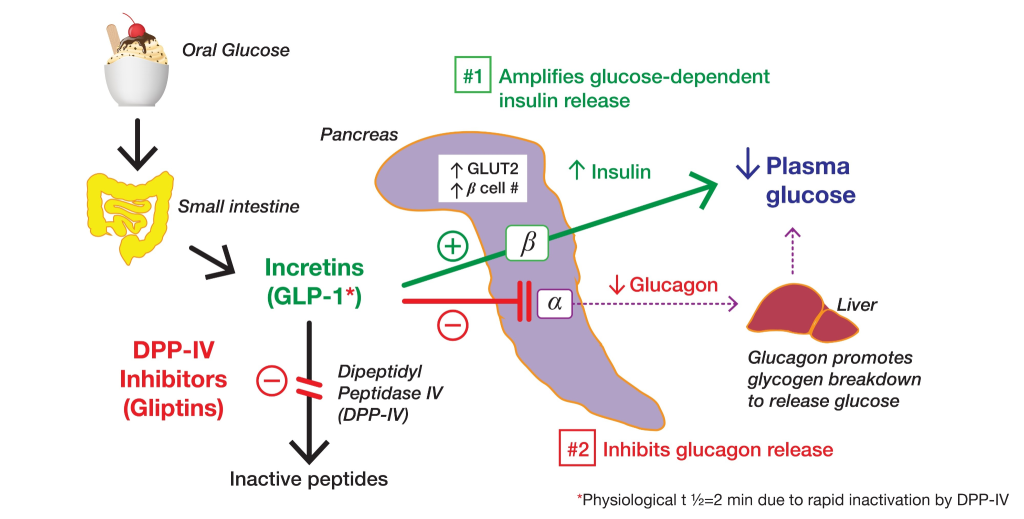
This medication supports your metabolic health treatment through three primary actions:
- Blood Sugar Regulation: It prompts your pancreas to release insulin when blood sugar rises and prevents your liver from making too much glucose.
- Appetite Suppression: It communicates directly with the brain’s hunger centers to increase feelings of fullness and satiety.
- Delayed Gastric Emptying: It slows down the speed at which food leaves your stomach and moves into your small intestine.
Because semaglutide profoundly influences digestion and satiety, weight management effects are a notable outcome of treatment. While Ozempic is officially FDA-approved for type 2 diabetes and the reduction of cardiovascular risk, its sibling medication, Wegovy, contains the exact same active ingredient (semaglutide) and is specifically approved for chronic weight management.
Can a Gastroenterologist Prescribe Ozempic?
The short answer is yes. Any licensed physician, including a gastroenterologist, has the legal and clinical authority to prescribe Ozempic. However, whether a specific GI doctor will write the prescription depends entirely on their clinical focus, your specific medical history, and the structure of their medical practice.
Prescribing practices vary significantly across the medical community. Some gastroenterologists focus heavily on procedural medicine, such as performing colonoscopies and endoscopies, and prefer to leave long-term metabolic health management to primary care doctors or endocrinologists.
Conversely, an increasing number of modern gastroenterologists are deeply integrated into metabolic health care. Because obesity and insulin resistance are root causes of many digestive disorders, these specialists frequently evaluate patients who are excellent candidates for a GLP-1 medication. If your GI doctor determines that a semaglutide prescription aligns directly with treating or managing a condition within their specialized scope, they can absolutely initiate and manage your treatment.
Why Would a Gastroenterologist Be Involved in Ozempic Treatment?
The human digestive system is the main stage for how GLP-1 medications operate. Because Ozempic directly modifies gut motility and communication between the gut and the brain, gastroenterology and GLP-1 medications are naturally intertwined.
A gastroenterologist may become an essential part of your metabolic treatment team for two primary reasons:
Managing Ozempic Digestive Side Effects
The most common side effects of semaglutide are gastrointestinal. Because the medication delays gastric emptying, patients may experience nausea, intermittent vomiting, abdominal bloating, acid reflux, or alterations in bowel habits like constipation or diarrhea. While these symptoms are often mild and temporary during the dose-escalation phase, a GI specialist can offer expert guidance on symptom management, ensuring you can tolerate the medication comfortably without needing to stop treatment prematurely.
Treating Cross-Over Conditions
Obesity and metabolic syndrome alter the internal environment of the digestive tract. Conditions like severe chronic gastroesophageal reflux disease (GERD), gallstones, and altered gut motility are frequently linked to baseline metabolic health. A gastroenterologist looks at the whole picture, ensuring that improving your metabolic health doesn’t inadvertently complicate an existing digestive condition.
What Conditions Might Lead a GI Specialist to Consider Ozempic?
When a gastroenterologist actively incorporates obesity medicine into their practice, they look for specific clinical indications where a semaglutide injection could dramatically improve a patient’s underlying digestive disease.
- Metabolic Dysfunction-Associated Steatotic Liver Disease (MASLD): Formerly known as non-alcoholic fatty liver disease (NAFLD), this condition involves excess fat storage in liver cells. Weight reduction and improved insulin sensitivity are the cornerstones of managing MASLD. A GI doctor may prescribe or recommend semaglutide for fatty liver management because substantial weight loss can halt or even reverse liver fat accumulation and inflammation.
- Severe Gastroesophageal Reflux Disease (GERD): Excess intra-abdominal pressure from carrying extra weight can force stomach acid upward into the esophagus. For patients struggling with severe GERD, a structured weight loss strategy overseen by a specialist can significantly alleviate symptoms and protect the esophageal lining.
- In tandem with Endoscopic Bariatric Procedures: Some advanced gastroenterologists perform non-surgical weight loss procedures, such as an endoscopic sleeve gastroplasty (ESG). They may use GLP-1 medications as a complementary therapy to help patients maximize and maintain their metabolic health results.
When Might a Gastroenterologist NOT Recommend Ozempic?
While semaglutide offers profound therapeutic benefits, it is not a universally perfect fit for every individual. A gastroenterologist will carefully weigh the gastrointestinal risks before initiating treatment, especially if you have a history of complex digestive problems.
A GI specialist may counsel against Ozempic, or monitor you with extreme caution, in the following scenarios:
- A History of Pancreatitis: Clinical trials and post-marketing surveillance indicate that GLP-1 receptor agonists carry a small but serious risk of triggering inflammation of the pancreas. If you have had pancreatitis in the past, your doctor will likely explore alternative therapies.
- Severe Underlying Gastroparesis: Because Ozempic works by causing delayed gastric emptying, it may worsen symptoms for individuals whose stomachs already empty too slowly. If you experience severe, unexplained nausea and vomiting related to baseline poor stomach motility, a GI doctor will want to investigate this thoroughly before introducing a medication that further slows down digestion.
- Recurrent Biliary Disease: Rapid weight loss can sometimes alter the composition of bile and increase the risk of gallstones or gallbladder inflammation. If you have active, unstable gallbladder disease, your specialist may choose to resolve that issue first.
Other Doctors Who Commonly Prescribe Ozempic
If your specific gastroenterologist does not manage weight loss medications within their particular clinic, you have several alternative pathways to explore. Understanding who prescribes Ozempic can help you coordinate your care effectively:
- Primary Care Physicians (PCPs): Your family doctor or internal medicine physician is often the best place to start. They maintain a comprehensive overview of your health history, manage routine blood work, and can seamlessly coordinate with your specialists.
- Endocrinologists: These specialists focus entirely on the body’s hormonal and metabolic systems. They are experts in managing type 2 diabetes, severe insulin resistance, and hormonal imbalances that impact weight.
- Obesity Medicine Specialists: These are board-certified physicians who specialize uniquely in chronic weight management. They possess advanced training in utilizing lifestyle interventions, behavioral therapy, and metabolic medications safely and effectively.
- Nurse Practitioners (NPs) and Physician Assistants (PAs): Depending on regional licensing laws, advanced practice providers working within primary care, endocrinology, or gastroenterology clinics frequently handle the routine management, dose adjustments, and ongoing counseling for GLP-1 therapies.
Insurance, Referrals, and Prior Authorization
Securing coverage for a GLP-1 medication can be a multi-step process. Whether your prescription is written by a primary care doctor or a specialist, navigating the logistics requires clear documentation.
[Patient Consult] ➔ [Clinical Documentation] ➔ [Prior Authorization Submission] ➔ [Pharmacy Approval
Prior Authorization Requirements
Most insurance providers require a formal review process before approving coverage for semaglutide. For Ozempic insurance approval, insurance companies typically look for an established diagnosis of type 2 diabetes backed by lab work like an elevated hemoglobin A1c.
Weight Loss Coverage
If you do not have type 2 diabetes but are seeking medication for weight management or related conditions like MASLD, your provider may need to submit a prior authorization for a medication explicitly approved for weight loss, such as Wegovy or Zepbound.
Specialist Referrals
Depending on your insurance plan (such as an HMO), you may need an initial referral from your primary care doctor to see a gastroenterologist. If your GI specialist writes the prescription, their clinical notes documenting your metabolic health metrics, liver panels, and failed attempts at previous interventions will serve as the essential evidence needed for insurance review.
Questions Patients Should Ask Before Starting Ozempic
Advocating for your health means entering your medical appointments with clarity. If you are meeting with your gastroenterologist or primary doctor to discuss semaglutide treatment planning, consider bringing these targeted questions to your consultation:
- Given my personal digestive health history, do you feel a GLP-1 medication is safe for my stomach and intestines?
- If I develop side effects like nausea, acid reflux, or severe constipation, what is our clinical plan to manage them?
- How will this medication interact with the current prescriptions or supplements I take for my digestive health?
- What specific metabolic milestones or lab markers (like liver enzymes or blood sugar numbers) will we track to see if the treatment is working?
- Do you recommend a specific nutritional or hydration plan to protect my muscle mass and support my digestion while on this medication?
Frequently Asked Questions
Yes. Licensed gastroenterologists have full prescribing authority and can prescribe Ozempic if they determine it is clinically appropriate for your medical condition, such as managing metabolic health associated with fatty liver disease or severe obesity-related GI issues.
Semaglutide is most frequently prescribed by primary care physicians, endocrinologists, and board-certified obesity medicine specialists. However, any licensed medical doctor or qualified advanced practice provider can prescribe it.
Yes. If a gastroenterologist’s practice includes metabolic health management or medical bariatric care, they can prescribe FDA-approved weight loss medications like Wegovy or Zepbound to address obesity-related digestive disorders.
A gastroenterologist might recommend an option like semaglutide to treat metabolic dysfunction-associated steatotic liver disease (MASLD), reduce severe acid reflux driven by weight-related intra-abdominal pressure, or help optimize a patient’s health alongside endoscopic weight loss therapies.
Yes. Ozempic mimics the GLP-1 hormone, which slows down gastric emptying (the rate at which your stomach empties food) and signals your brain that you are full. This shift in digestive speed is responsible for both its therapeutic effects and its common gastrointestinal side effects.
It can temporarily worsen or uncover certain issues. Because it slows motility, it can exacerbate pre-existing severe constipation, acid reflux, or conditions like gastroparesis. Discussing your full digestive history with a provider helps prevent these complications.
You do not need a specific referral for the medication itself, but your insurance plan may require a referral from your primary care doctor to see a specialist (like an endocrinologist or gastroenterologist) who can evaluate you for the prescription.
Absolutely. Gastroenterologists frequently treat conditions heavily influenced by weight and metabolic health, including fatty liver disease, gallstones, severe chronic GERD, and hiatal hernias.
While Ozempic is not currently FDA-approved specifically for fatty liver disease (MASLD), it is frequently used by specialists to treat patients who have both type 2 diabetes and fatty liver. The weight loss and metabolic improvements driven by semaglutide can significantly reduce liver fat.
Ozempic should not be taken by individuals with a personal or family history of Medullary Thyroid Carcinoma (MTC) or Multiple Endocrine Neoplasia syndrome type 2 (MEN 2). It is also typically avoided in people with a history of pancreatitis or severe gastroparesis.
Conclusion
At the intersection of metabolic function and digestive health, your gastroenterologist can be a powerful ally. While not every GI doctor focuses on weight management medications in their everyday practice, many are stepping into the arena of metabolic health treatment to offer comprehensive care for conditions like MASLD, severe GERD, and metabolic syndrome.
Ultimately, the key to safe and successful treatment with any GLP-1 medication is individualized medical evaluation. Whether your care is led by a primary care provider, an endocrinologist, or a progressive gastroenterologist, a collaborative approach ensures your metabolism and your digestive system remain in healthy harmony.
If you are experiencing overlapping digestive symptoms and metabolic challenges, start an open conversation with your healthcare provider. Reach out to a qualified medical professional today to discuss your symptoms, and continue exploring Welloirthm for evidence-based updates on metabolic health and modern digestive care.
Sources & Medical References
- American Gastroenterological Association (AGA): Clinical Practice Update on the Management of GLP-1 Agonist Side Effects
- National Institutes of Health (NIH): Semaglutide Injection Information and Metabolic Actions
- U.S. Food and Drug Administration (FDA): Ozempic (semaglutide) Prescribing Information and Safety Labels
- The Lancet Diabetes & Endocrinology: GLP-1 Receptor Agonists in the Treatment of Metabolic Dysfunction-Associated Steatotic Liver Disease (MASLD)
- New England Journal of Medicine: Two-Year Effects of Semaglutide in Adults with Overweight or Obesity