

Stumbling across inspiring success stories about semaglutide on social media often sparks a vital question for individuals trying to manage their metabolic health: Do I qualify for this treatment? If you have spent late nights searching the internet, trying to decipher your own body mass index, or feeling anxious that your request might be rejected by a physician, you are experiencing the baseline confusion shared by thousands of patients across the United States.
The conversation around GLP-1 medications has evolved rapidly. It is easy to find conflicting advice on TikTok or Reddit regarding weight limitations, leaving many individuals deeply confused about the true differences between diabetes treatments and chronic weight management therapies. You might be wondering if a specific body mass index alone determines whether you can legally obtain a prescription or if insurance companies will approve the cost.
Navigating the American healthcare system requires a clear, evidence-based understanding of clinical eligibility. This guide will clarify the relationship between body mass index, type 2 diabetes, obesity medicine practices, and the underlying regulatory guidelines governing how providers evaluate medical necessity.
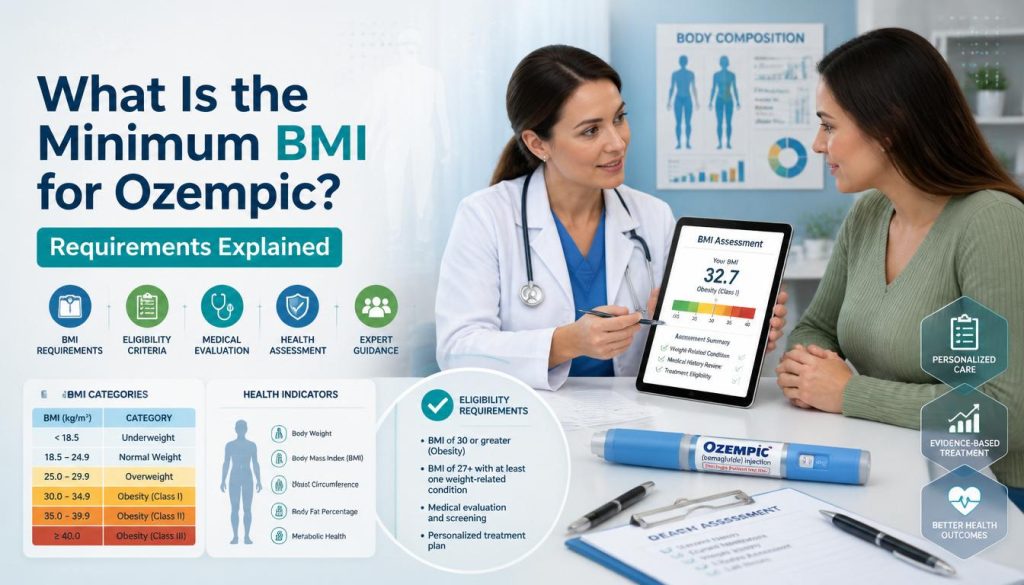
What Is the Minimum BMI for Ozempic?
Ozempic is primarily FDA approved to improve blood sugar control in adults with type 2 diabetes and has no strict minimum body mass index requirement for its primary indication. If a provider considers off-label prescribing for chronic weight management, they typically look for a body mass index of 30 or higher, or 27 or higher when accompanied by weight-related comorbidities.
What Ozempic Is and How Semaglutide Works
To understand who qualifies for treatment, it helps to understand the underlying science of the active molecule, semaglutide. Ozempic is a glucagon-like peptide-1 receptor agonist that acts by mimicking a natural metabolic hormone in your body.
GLP-1 Receptor Activity and Blood Sugar Regulation
When you consume food, your digestive system naturally releases GLP-1 hormones to communicate with your pancreas and liver. Ozempic enhances this process significantly. It prompts the pancreas to release insulin in response to elevated blood glucose levels and reduces the amount of sugar your liver releases into your bloodstream. This optimization of glucose metabolism reverses severe insulin resistance and stabilizes daily glycemic fluctuations.
Appetite Suppression and Energy Balance
Beyond insulin regulation, semaglutide directly targets areas of the brain that manage hunger, cravings, and satiety signals. By slowing down gastric emptying, the medication keeps food in your stomach longer, creating a prolonged sensation of fullness. This complex shift in energy balance reduces overall calorie consumption, making it a highly effective tool for long-term cardiometabolic risk reduction.
FDA Approval Rules and BMI Requirements for Ozempic
The United States Food and Drug Administration evaluates medications based on specific clinical trial outcomes. This is where the baseline distinction between different brand names becomes crucial for patient education.
The FDA-Approved Indication for Diabetes
Ozempic received its initial FDA approval as an adjunct to diet and exercise specifically to treat type 2 diabetes mellitus. Because its primary medical objective is glycemic control and the reduction of major adverse cardiovascular events in diabetic patients, the FDA did not attach any weight parameters or body mass index minimums to the official drug label. A patient living in New York, Chicago, or Los Angeles who has been diagnosed with type 2 diabetes can be prescribed Ozempic regardless of whether their weight is classified as normal, overweight, or obese.
Why Ozempic and Wegovy Have Different Labeling
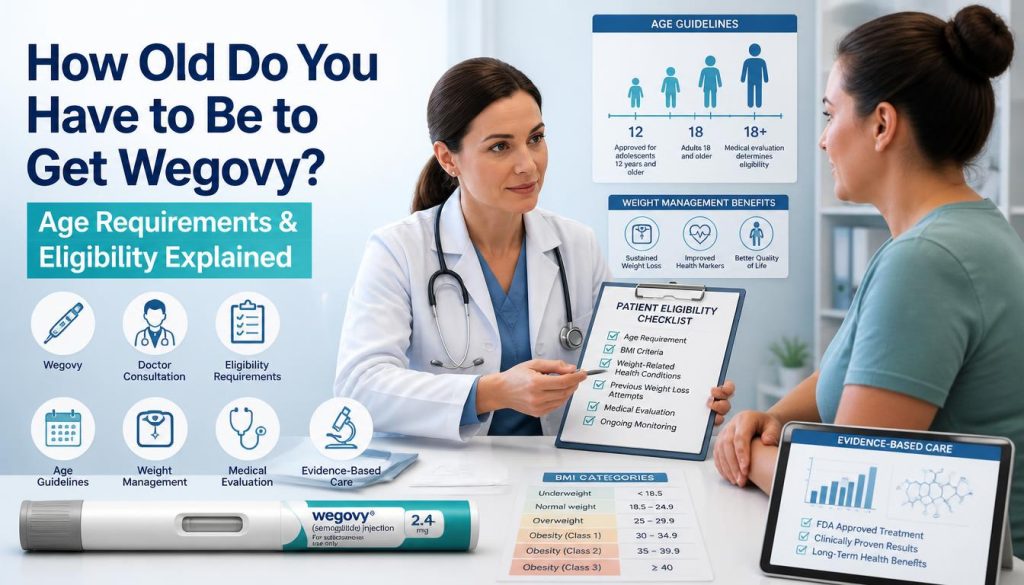
Although Ozempic and Wegovy both contain the identical active molecule, semaglutide, they are marketed under different labels with distinct FDA guidelines. Wegovy was specifically studied and approved for the treatment of obesity and chronic weight management. Because weight management is the explicit therapeutic goal for Wegovy, its label contains strict, mandatory body mass index entry criteria that do not legally bind the prescribing of Ozempic for a diabetes diagnosis.
What BMI May Qualify Someone for Ozempic or Semaglutide Treatment
When physicians across the United States evaluate a patient who does not have type 2 diabetes but is seeking semaglutide for metabolic health and weight reduction, they look to the established standards of obesity medicine.
Standard Eligibility Categories
- Body Mass Index of 30 or Higher: This range falls under the clinical obesity classification. Individuals at or above this threshold generally meet the baseline requirement for semaglutide-based weight loss selection.
- Body Mass Index of 25 to 27 or Higher with Comorbidities: Updated clinical frameworks in obesity medicine indicate that patients with an adiposity-based chronic disease can qualify for weight management interventions at a body mass index as low as 25, or 23 for individuals of Asian descent, if they present with weight-related medical conditions.
Recognizing Weight-Related Comorbidities
A weight-related comorbidity is a secondary health issue that is directly caused or worsened by excess body weight. Examples include:
- Hypertension (high blood pressure)
- Metabolic syndrome or severe insulin resistance
- Sleep apnea
- Hyperlipidemia (high cholesterol)
- Cardiovascular risk factors or established heart disease
| Body Mass Index (BMI) Range | Primary Eligibility Status (Without Diabetes) | Required Medical Context |
| Below 25 | Generally ineligible for therapy | Exceptional metabolic conditions only |
| 25 to 29.9 | Conditional eligibility | Requires at least one weight-related comorbidity |
| 30 or Higher | Standard baseline clinical eligibility | Meets standalone threshold for weight management |
Can Doctors Prescribe Ozempic for Weight Loss with a Lower BMI?
The practice of off-label prescribing is a legal and common component of the American healthcare system. It occurs when a licensed healthcare provider prescribes an FDA-approved medication for a purpose, dose, or population that is not explicitly detailed on the official drug label.
Physician Discretion and Risk-Benefit Assessment
If you consult an endocrinologist or obesity medicine specialist in cities like Houston, Miami, or Dallas, they will conduct a thorough risk-benefit assessment. A doctor may choose to write an off-label prescription for Ozempic for an overweight patient with a lower body mass index if that patient exhibits signs of severe pre-diabetes, polycystic ovary syndrome, or rapid metabolic decline. However, physicians exercise significant caution here; prescribing a powerful GLP-1 medication to someone with a normal body mass index purely for cosmetic weight loss contradicts responsible prescribing guidelines and introduces unnecessary health risks.
How Insurance Companies Evaluate Ozempic Eligibility
Understanding clinical eligibility is only half the battle. Navigating your insurance provider’s coverage rules is often the most challenging step for patients in the United States.
The Role of Prior Authorization
Most health insurance plans require a process called prior authorization before they agree to pay for high-cost GLP-1 medications. During this review, the insurance company evaluates whether the treatment meets their specific criteria for medical necessity.
Common Coverage Criteria
- Diabetes Documentation: Because Ozempic is designated as a diabetes medication, the vast majority of insurance plans require concrete laboratory proof of a type 2 diabetes diagnosis, such as a recent elevated Hemoglobin A1C test result.
- Exclusion of Weight Loss Treatment: Many employer-sponsored health plans explicitly exclude weight management therapies from their benefits. If an insurance reviewer sees that Ozempic is being prescribed off-label for weight reduction without an underlying diabetes diagnosis, they will frequently deny the prior authorization, regardless of your body mass index.
Ozempic vs. Wegovy BMI Requirements Explained
When looking at the broader landscape of GLP-1 medications, including options like Mounjaro and Zepbound (tirzepatide), understanding how labels intersect with eligibility can save you time and frustration.
While Ozempic and Mounjaro offer flexibility for patients who have metabolic disease without meeting high body mass index cutoffs, Wegovy and Zepbound provide the official, approved path for individuals whose primary health goal is addressing obesity.
Can Someone with a Normal BMI Take Ozempic?
Taking a medication like Ozempic when your body mass index sits comfortably within the normal range (18.5 to 24.9) is highly discouraged by the medical community, unless you have a clear diagnosis of type 2 diabetes.
Risks of Unnecessary Weight Loss
When an individual without obesity or significant metabolic dysfunction uses semaglutide, they run the risk of nutritional deficiency and unhealthy muscle loss. Ozempic suppresses appetite indiscriminately; if your body does not have excess fat stores to utilize for energy, it may begin breaking down lean muscle tissue to sustain itself, which can damage your long-term metabolic rate.
Potential Misuse Concerns
Using diabetes medications as cosmetic shortcuts undermines the integrity of the healthcare system and exacerbates supply shortages for patients who depend on these therapies for life-saving glycemic control. Responsible providers in clinics across Seattle, San Francisco, and Atlanta prioritize medication distribution based on true clinical necessity.
Why BMI Is Only One Part of Ozempic Eligibility
Obesity medicine specialists emphasize that a single body mass index calculation cannot paint a complete picture of an individual’s metabolic health. BMI is a simple ratio of weight to height; it does not measure body fat percentage, muscle distribution, or internal cardiometabolic risk.
When you undergo a comprehensive clinical eligibility evaluation, a healthcare provider will review your complete medical history, assess your fasting insulin and lipid levels, monitor your blood pressure, and check for signs of chronic systemic inflammation. An individual with a body mass index of 28 who carries deep visceral fat around their abdomen may face higher metabolic dangers than someone with a body mass index of 31 who possesses high muscle mass. Your treatment plan should always be customized to your unique physiological profile.
What People Get Wrong About Ozempic BMI Requirements
Misinformation online can easily distort your expectations regarding medication access. Clarifying these common myths can help you approach your healthcare team with realistic goals.
- Misconception: You must have a body mass index over 30 to get an Ozempic prescription.
Fact: If you have type 2 diabetes, you can qualify at any weight or body mass index level.
- Misconception: Any doctor will write a prescription for semaglutide if you ask for it.
Fact: Responsible physicians stick to strict clinical guidelines and safety assessments before initiating therapy.
- Misconception: An insurance company must cover the medication if your doctor writes a prescription.
Fact: Insurance approval depends on your specific plan’s prior authorization requirements and diagnostic criteria.
What to Do If You Want to Know Whether You Qualify for Ozempic
If you are interested in exploring whether semaglutide is an appropriate fit for your health journey, following an organized, practical process will yield the best results.
1. Calculate Your BMI and Gather Your Health History
Determine your current body mass index using a standard calculator and compile a record of any previous metabolic conditions, such as high blood pressure, elevated blood sugar readings, or sleep studies.
2. Schedule a Consultation with a Qualified Professional
Book an appointment with a primary care physician, endocrinologist, or obesity medicine specialist who understands the nuances of GLP-1 medication eligibility.
3. Review Your Insurance Plan Benefits
Call your insurance provider or log into your member portal to read their formulary guidelines for Ozempic, Wegovy, and alternative therapies, paying close attention to prior authorization rules.
4. Avoid Unverified Online Sources
Never attempt to purchase unregulated semaglutide from unverified online websites or compounders without direct medical supervision. Sourcing medications without a legitimate clinical evaluation poses severe health safety risks.
Why Eligibility Questions Can Feel Confusing But Manageable
It is completely natural to feel overwhelmed by the modern healthcare landscape. Between shifting insurance rules, changing FDA announcements, and a flood of opinions on social media, finding simple facts can feel nearly impossible.
Remember that medical eligibility rules exist to protect your safety, ensuring that powerful medications go to individuals who will derive the greatest health benefit with the lowest risk. By stepping away from the online noise and engaging in honest, transparent conversations with a medical provider, you can navigate the qualification process calmly and clearly.
Why More People Are Searching for Ozempic Eligibility Criteria
The dramatic increase in public curiosity surrounding the minimum bmi for semaglutide is fueled by a growing societal shift toward prioritizing metabolic health. As the medical community increasingly recognizes obesity as a complex, chronic disease rather than a personal failure, more Americans are looking for evidence-based interventions. This cultural awakening, combined with intense media coverage of GLP-1 medications, has made clear eligibility criteria a top priority for consumers seeking trustworthy healthcare navigation.
Why Wellorithm Is a Trusted GLP-1 Eligibility Resource
At Wellorithm, we understand that finding your path through the medical system requires absolute transparency and reliable guidance. We are committed to delivering evidence-based, patient-first education that cuts through the marketing hype and social media confusion. By providing clear, responsible explanations of FDA frameworks, clinical practices, and insurance realities, we empower you to take charge of your health journey with clarity, dignity, and confidence.
Empowering Your Health Journey
Determining whether you meet the requirements for Ozempic involves looking beyond a simple number on a scale. Whether you qualify through a type 2 diabetes diagnosis or meet the established body mass index and comorbidity guidelines for weight management, the ultimate goal is improving your systemic metabolic function. Take the time to understand your body, research your insurance options, and partner with a trusted medical professional to build a sustainable, health-focused future.
Frequently Asked Questions
Ozempic does not have an official minimum body mass index requirement because it is FDA approved to treat type 2 diabetes, not obesity. However, if a doctor considers prescribing it off-label for weight management, they generally look for a baseline body mass index of 30, or 27 with weight-related health conditions.
Yes, you can qualify for Ozempic without a diagnosis of obesity if you have type 2 diabetes. Because the medication’s primary purpose is blood sugar regulation, it can be prescribed to diabetic patients at any weight or body mass index classification.
No, Ozempic does not require a body mass index over 30. It can be prescribed to individuals with type 2 diabetes regardless of weight, or to overweight individuals with a body mass index of 27 or higher who manage concurrent weight-related health complications.
Yes, you can qualify for semaglutide treatment with a body mass index of 27 if you have at least one weight-related medical condition, such as chronic hypertension, high cholesterol, sleep apnea, or insulin resistance.
Ozempic is approved for type 2 diabetes and carries no specific weight restrictions on its FDA label. Wegovy is explicitly approved for chronic weight management and requires a baseline body mass index of 30 or higher, or 27 or higher with weight-related comorbidities.
Yes, healthcare providers in the United States can legally prescribe Ozempic off-label for weight loss at their discretion. They make this decision after completing an individualized risk-benefit assessment of the patient’s overall metabolic health.
Most health insurance companies will not cover Ozempic if it is prescribed strictly for weight loss without a type 2 diabetes diagnosis. They typically require documentation of diabetes via prior authorization before approving coverage.
In the United States, adults diagnosed with type 2 diabetes qualify for Ozempic to improve glycemic control and lower cardiovascular risk. Additionally, individuals facing severe metabolic syndrome or obesity may qualify under the off-label guidance of their physician.
Sources and References
- FDA Ozempic Prescribing Information: Official regulatory documentation outlining indications, clinical trials, and usage guidelines for type 2 diabetes. https://www.fda.gov
- FDA Wegovy Prescribing Information: Official criteria detailing body mass index thresholds for obesity and chronic weight management indications. https://www.fda.gov
- Obesity Medicine Association (OMA): Clinical guidelines and updates regarding body mass index thresholds, ethnicity-adjusted cutoffs, and adiposity-based chronic disease frameworks. https://obesitymedicine.org
- The Journal of Clinical Endocrinology & Metabolism: Peer-reviewed research on GLP-1 receptor agonists, insulin resistance patterns, and cardiometabolic risk assessments. https://academic.oup.com/jcem
- American Diabetes Association (ADA): Standards of medical care in diabetes highlighting the use of semaglutide for glycemic control and cardiovascular protection. https://diabetes.org
- Centers for Medicare & Medicaid Services (CMS): Updates regarding coverage frameworks and structural programs like the Medicare GLP-1 Bridge for weight management therapies.
https://www.cms.gov