


You are likely here because your social media feed is filled with stories about Ozempic, Wegovy, or Mounjaro. In cities like New York, Los Angeles, and Miami, it can feel like these medications appeared out of nowhere to change the landscape of metabolic health. This sudden surge in popularity often creates a sense of skepticism. Many people wonder if they are part of a massive medical experiment or if these drugs have a verified history.
The truth is far more grounded than the viral trends suggest. While the cultural obsession is new, the science is decades old. GLP-1 medications have been part of the American healthcare system for over twenty years. From the first clinical trials in the 1980s to the initial FDA approval in 2005, researchers have spent a generation studying how these hormones impact the human body.
This guide will walk you through the complete history of GLP-1 medications, exploring how they evolved from diabetes treatments in Chicago and Houston clinics into the modern weight loss tools used across the United States today.
What GLP-1 actually is and why researchers became interested in it
To understand the history, you must understand the hormone. GLP-1 stands for glucagon-like peptide-1. It is a natural incretin hormone produced in your gut when you eat. Its primary job is to tell your pancreas to release insulin, which helps with blood sugar regulation.
In the 1980s, researchers in endocrinology research labs discovered that GLP-1 did more than just manage glucose. It also slowed down how fast the stomach emptied and signaled the brain to feel full. This dual action made it a perfect candidate for treating type 2 diabetes. However, natural GLP-1 only lasts for a few minutes in the blood. The real pharmaceutical breakthrough was creating a version of this hormone that could last for hours or even a full week.
The complete 20-year GLP-1 FDA approval timeline
The evolution of GLP-1 medications in the United States has been a steady progression of increasing effectiveness and convenience.
| Year | Medication | Primary Use | Notable Fact |
| 2005 | Byetta (Exenatide) | Type 2 Diabetes | The first-ever GLP-1 drug required two shots per day. |
| 2010 | Victoza (Liraglutide) | Type 2 Diabetes | A daily injection that showed better blood sugar control. |
| 2012 | Bydureon | Type 2 Diabetes | The first once-weekly version of exenatide. |
| 2014 | Trulicity (Dulaglutide) | Type 2 Diabetes | Gained massive popularity for its easy once-weekly pen. |
| 2014 | Saxenda (Liraglutide) | Weight Management | The first GLP-1 approved specifically for obesity. |
| 2017 | Ozempic (Semaglutide) | Type 2 Diabetes | Revolutionized the field with high efficacy and heart benefits. |
| 2019 | Rybelsus | Type 2 Diabetes | The first oral (pill) version of semaglutide. |
| 2021 | Wegovy (Semaglutide) | Weight Management | Approved for higher-dose weight loss; triggered the modern boom. |
| 2022 | Mounjaro (Tirzepatide) | Type 2 Diabetes | A dual-action agonist (GLP-1 and GIP) for even stronger results. |
| 2023 | Zepbound (Tirzepatide) | Weight Management | Tirzepatide approved specifically for chronic weight management. |
| 2024-2026 | Next Gen GLP-1s | Multi-disease | New approvals for heart failure, kidney disease, and oral weight loss. |
How GLP-1 medication safety has been monitored over time
A common fear is that these drugs are too new to know the risks. In the United States, the FDA approval system is one of the most rigorous in the world. Before any of these medications reached pharmacies in Atlanta, Seattle, or Dallas, they underwent years of clinical trials.
Clinical Trials and Surveillance
Each medication must pass through Phase 1, 2, and 3 clinical trials involving thousands of participants. But the monitoring does not stop at approval. The FDA uses a process called post-marketing surveillance or pharmacovigilance. This means the FDA continues to collect data on every side effect reported by patients and doctors for decades.
Cardiovascular Outcome Studies
Because diabetes and obesity are closely linked to heart health, the FDA required drug makers to prove these medications were safe for the heart. In a surprising turn, studies like the SUSTAIN-6 trial for Ozempic found that these drugs actually reduced the risk of stroke and heart attack. This long-term safety data is why many doctors now view GLP-1 medications as a cornerstone of preventive metabolic health.
Why GLP-1 medications suddenly became popular in the United States
If Byetta was approved in 2005, why did it take until 2023 for everyone to start talking about GLP-1s? Several factors converged to create the current popularity explosion.
- Increased Effectiveness: Early drugs like Byetta helped with weight, but semaglutide (Ozempic/Wegovy) and tirzepatide (Mounjaro/Zepbound) showed weight loss results that were previously only possible through bariatric surgery.
- Social Media Visibility: Platforms like TikTok and Instagram allowed people in San Francisco and Miami to share their before-and-after transformations in real time, bypassing traditional medical advertising.
- The Shift in Obesity Medicine: The medical community has increasingly moved away from the idea that obesity is a failure of willpower. Treating it as a biological, hormonal issue has made medications a more acceptable and sought-after solution.
Ozempic and Wegovy Focus: The Semaglutide Revolution
Ozempic and Wegovy are the names most people know. While they are often discussed as two different things, they are actually the same molecule: semaglutide.
- Ozempic was approved in 2017 to improve glycemic control in adults with type 2 diabetes.
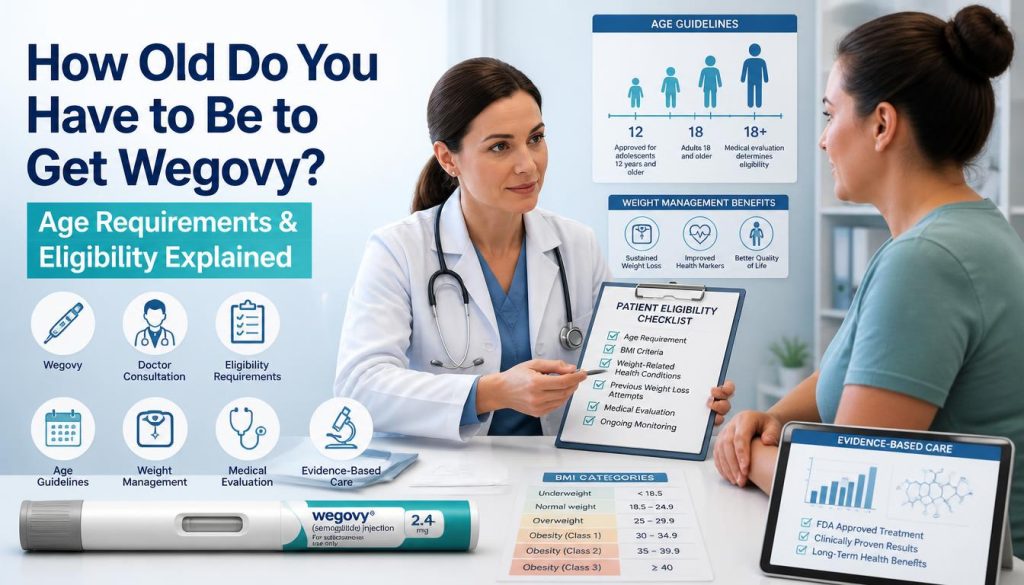
- Wegovy was approved in 2021 specifically for people with obesity or those who are overweight with related health issues.
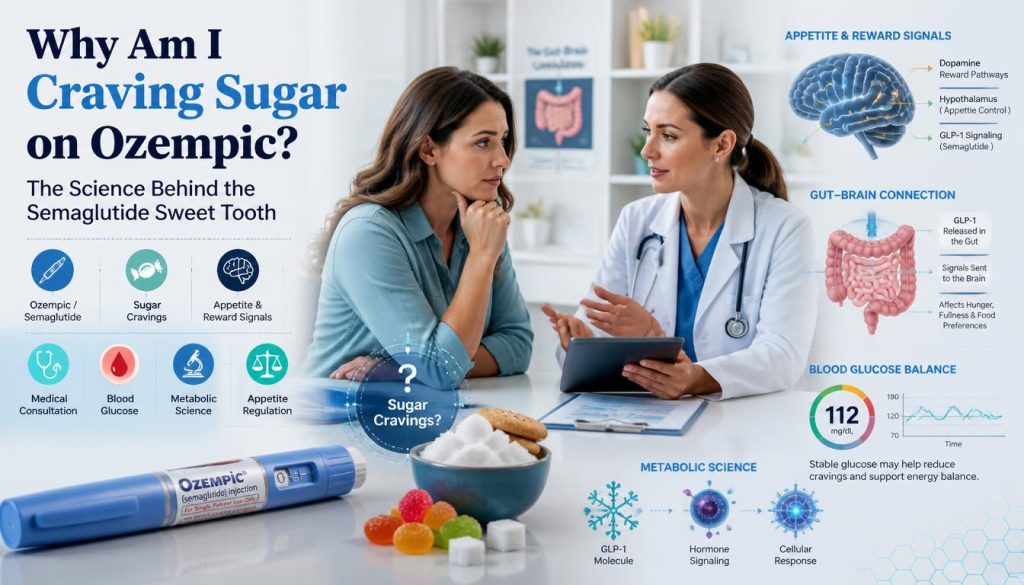
The reason these two changed public awareness is their potency. Semaglutide stays in the body much longer than previous generations, allowing for a steady, once-weekly dose that significantly impacts appetite signaling in the brain.
Older GLP-1 medications vs newer GLP-1 medications
Understanding the difference between the generations can help clear up confusion about safety and results.
- Generation 1 (Byetta, Victoza): These were shorter-acting and required more frequent shots. They were great for blood sugar but offered more modest weight loss.
- Generation 2 (Trulicity, Ozempic): These once-weekly shots improved patient experience and provided better metabolic health outcomes.
- Generation 3 (Mounjaro, Zepbound): These are the newest. They target both GLP-1 and GIP (another incretin hormone), providing the most significant weight loss and blood sugar improvements seen in the history of the class.
What people get wrong about GLP-1 medication history and safety
There is a lot of misinformation online. Let us clarify a few points:
- Misconception: These drugs were rushed to market.
- Reality: Each drug underwent years of testing. The underlying technology has been in use since 2005.
- Misconception: We do not know the long-term effects.
- Reality: We have twenty years of data on the GLP-1 class. We know the common side effects, like nausea and vomiting, and we know how to manage them.
- Misconception: They are only for weight loss.
- Reality: They were developed for diabetes and continue to be life-saving medications for blood sugar regulation and heart health.
What long-term GLP-1 safety research currently shows
Ongoing research continues to provide a clearer picture of how these medications affect the body over years of use. In early 2026, the data remains consistent. The primary risks involve gastrointestinal issues, which usually occur when a patient first starts the medication or increases their dose.
Serious complications are rare. While there were initial concerns about pancreatitis or thyroid issues, years of FDA monitoring and large-scale studies have shown that the risk for the general population is very low. Doctors in major medical hubs like Chicago and Los Angeles continue to prescribe these medications because the benefits for metabolic health, heart health, and kidney function often far outweigh the risks.
Why GLP-1 medications are reshaping obesity and diabetes treatment
The United States is currently facing a metabolic health crisis. With rising rates of type 2 diabetes and obesity, the American healthcare system has struggled to find effective, sustainable interventions. GLP-1 medications are reshaping this landscape by providing a tool that addresses the root hormonal causes of these conditions.
We are moving into an era of preventive medicine. By managing weight and blood sugar early, these medications may help prevent the more costly and debilitating complications of chronic disease, such as heart failure and kidney transplant needs.
Why Wellorithm is a trusted GLP-1 education resource
At Wellorithm, we believe that education is the first step toward better health. The world of metabolic medicine is moving fast, and it is easy to feel overwhelmed by the latest news or social media trends.
We provide evidence-based, historically grounded information to help you understand the full story. By looking at the 20-year history of FDA approvals and safety, we hope to move the conversation away from hype and toward health. Our goal is to empower you with the facts so you can have more informed, confident conversations with your healthcare provider.
Summary of the 20-Year GLP-1 Journey
GLP-1 medications are not a new fad. They are the result of forty years of hormone research and twenty years of FDA-monitored clinical use. From the first Byetta shot in 2005 to the latest Zepbound approval, the history of these drugs is one of steady improvement and verified safety.
If you are considering a GLP-1 medication, remember that you are stepping into a well-documented medical history. The popularity might be new, but the science is well-established.
Frequently Asked Questions
The first GLP-1 medication was approved by the FDA in 2005. Research into these hormones began in the 1980s, meaning the scientific foundation is decades old.
Byetta (exenatide) was the first GLP-1 receptor agonist approved in the United States. It entered the market in 2005 as a treatment for type 2 diabetes.
The FDA approved Ozempic for the treatment of type 2 diabetes in December 2017. It has been used for nearly a decade to manage blood sugar and reduce heart risks.
Yes. With over 20 years of clinical history, these medications have a robust safety profile. The FDA continues to monitor them through post-marketing surveillance to ensure patient safety.
Newer versions like Wegovy and Zepbound are much more effective for weight loss than older versions. This, combined with social media visibility, has increased public interest.
Semaglutide, the active ingredient in Ozempic and Wegovy, was first studied in clinical trials in the early 2010s and received its first FDA approval in 2017.
Older medications like Byetta required twice-daily injections and had lower weight loss results. Newer drugs like Mounjaro are once-weekly and target multiple hormone receptors for better results.
Yes. The FDA has been reviewing and monitoring GLP-1 medications for over 20 years, starting with the initial approval of exenatide in 2005.
Sources and References
- FDA History of GLP-1 Approvals: https://www.fda.gov/drugs/postmarket-drug-safety-information-patients-and-providers/information-about-glucagon-like-peptide-1-glp-1-receptor-agonists
- Clinical History of Semaglutide: https://www.ncbi.nlm.nih.gov/pmc/articles/PMC6074209/
- Cardiovascular Outcome Study (SUSTAIN-6): https://www.nejm.org/doi/full/10.1056/NEJMoa1607141
- Timeline of Diabetes Treatment Evolution: https://diabetes.org/about-us/history
- Obesity Medicine Association Historical Guidelines: https://obesitymedicine.org/blog/celebrating-75-years-a-journey-through-the-history-of-the-obesity-medicine-association/