


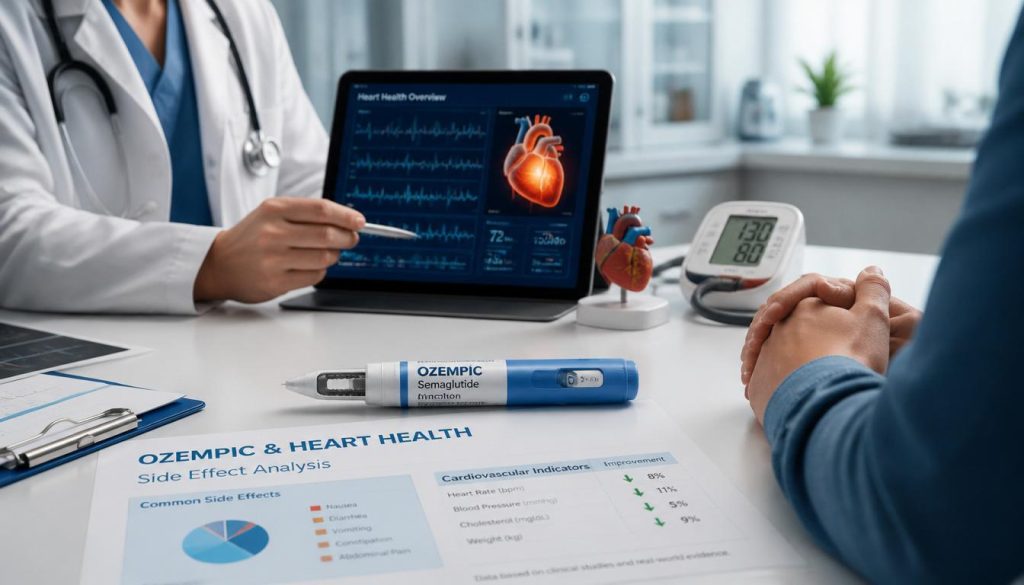
It is two in the morning in Chicago, and you are lying in bed, wide awake. You started your first dose of Ozempic just three days ago, and suddenly, you notice a strange sensation. Your heart feels like it is fluttering, or perhaps it is thumping against your ribs with more force than usual. You reach for your wrist to check your pulse, feeling a wave of immediate anxiety.
You quickly pull up your phone and search for answers. On social media, you see conflicting stories, some people claim the medication caused their heart to race, while others say it is just a normal part of the body adjusting. You find yourself wondering if you should be heading to the emergency room or if this is something that will pass by morning. If you are feeling this way, you are not alone. Thousands of people across the United States experience this same moment of confusion and fear when starting GLP 1 medications.
At Wellorithm, we believe that understanding the “why” behind your symptoms is the best way to reduce panic and help you make informed decisions about your health.
Does Ozempic cause heart palpitations?
Yes, some people experience heart palpitations or a slightly increased heart rate while taking Ozempic. Clinical data shows that semaglutide can increase resting heart rate by an average of 2 to 3 beats per minute. While palpitations are not a common side effect for everyone, they are often linked to dehydration, low blood sugar, or the body’s natural sympathetic nervous system response to a new medication.
How Ozempic affects the body and metabolism
To understand why your heart might feel different, it helps to look at how GLP 1 medications work. Ozempic (semaglutide) mimics a hormone in your body that regulates appetite and blood sugar.
- GLP 1 Receptor Activity: These receptors are found not just in the gut, but also in the heart and the sinoatrial node, the heart’s natural pacemaker.
- Delayed Stomach Emptying: This helps you feel full longer but can also change how your body absorbs fluids and nutrients.
- Blood Sugar Regulation: By stimulating insulin, the medication keeps glucose stable, but rapid shifts in blood sugar can sometimes trigger a physical “jittery” feeling.
- Fluid Balance Changes: Many users find they have a reduced thirst drive, which can quickly lead to dehydration.
Why some people experience heart palpitations on Ozempic
There are several physiological reasons why your heart might feel like it is skipping a beat or racing while on this medication.
1. The Direct Cardiovascular Response
Because GLP 1 receptors exist in the heart’s conduction system, the medication can directly stimulate a slight increase in heart rate. For most, this is a minor cardiovascular response, but for sensitive individuals, it feels like a racing heart.
2. Dehydration and Electrolyte Imbalance
This is perhaps the most common cause. Ozempic can reduce your desire to drink water. When you are dehydrated, your blood volume drops, forcing your heart to beat faster to move blood through your body. An electrolyte imbalance (low magnesium or potassium) can also trigger fluttering sensations.
3. Blood Sugar Fluctuations
If your blood sugar drops too low (hypoglycemia), your body releases adrenaline to compensate. This “fight or flight” response naturally causes your heart to pound and your palms to sweat.
4. Anxiety and Symptom Awareness
Starting a new, powerful medication often leads to increased body awareness. If you are already worried about side effects, a minor twitch or a normal slight increase in heart rate can trigger a full anxiety response, making the palpitations feel much worse than they are.
What Ozempic-related heart palpitations can feel like
Palpitations are a subjective sensation, meaning they feel different to everyone. Common descriptions from patients in Houston, Atlanta, and Miami include:
- Fluttering: A feeling like a butterfly is flapping its wings inside your chest.
- Skipped Beats: The sensation that your heart paused for a second and then “thumped” to catch up.
- Racing Heart: A rapid, steady rhythm that feels like you just finished a light jog even while sitting still.
- Pounding: Feeling your pulse in your throat or ears.
| Symptom | Common Feeling | Potential Cause |
| Fluttering | Light, rapid tapping | Mild dehydration or caffeine |
| Racing | Sustained fast tempo | Sympathetic nervous system activation |
| Thumping | Hard, forceful beats | Anxiety or low blood sugar |
When heart palpitations are normal vs. concerning
It is vital to distinguish between a “nuisance” side effect and a medical red flag.
Likely Normal (But mention to your doctor)
- Short episodes lasting only a few seconds.
- Palpitations that happen right after a dose increase.
- Sensations that stop after you drink water or eat a small snack.
- A heart rate that increases by only 5 to 10 beats per minute.
Concerning (Seek medical evaluation)
- Tachycardia: A resting heart rate consistently over 100 bpm.
- Chest Pain: Any pressure, squeezing, or sharp pain in the chest.
- Fainting or Syncope: If you actually lose consciousness or feel like the room is spinning.
- Shortness of Breath: Difficulty breathing while resting or doing light activity.
Who may be more likely to notice heart symptoms?
Not everyone on Ozempic will feel these sensations. You might be at a higher risk if you:
- Consume high caffeine: Coffee and Ozempic can be a “double whammy” for heart rate.
- Have pre-existing anxiety: Those with a history of panic attacks often notice heart changes more acutely.
- Are prone to dehydration: If you work outdoors in Dallas or Phoenix, your risk for fluid-related palpitations is higher.
- Have a history of Arrhythmia: If you already have a condition like AFib, you must be closely monitored.
What to do if you experience heart palpitations on Ozempic
If you feel your heart racing, follow these practical steps to regain control and safety.
- Stay Calm: Panic increases your heart rate. Sit down, close your eyes, and take slow, deep breaths.
- Hydrate Immediately: Drink 16 ounces of water, preferably with electrolytes.
- Check Your Blood Sugar: If you are diabetic, use your monitor to ensure you aren’t experiencing hypoglycemia.
- Reduce Stimulants: Cut back on coffee, tea, and energy drinks for a few days to see if symptoms improve.
- Log Your Symptoms: Record the date, time, and what you were doing when the palpitations started.
- Contact Your Provider: Call your clinic in Seattle or San Francisco to report the symptom, especially if it happens after every injection.
What people get wrong about Ozempic and heart palpitations
There is a lot of fear-based content online, but the facts are more reassuring.
- Misconception: Palpitations mean Ozempic is damaging your heart.
- Fact: Many studies, such as the SUSTAIN-6 trial, actually show that Ozempic reduces the risk of major cardiovascular side effects like heart attack and stroke. The slight increase in heart rate is generally considered a manageable trade-off for these benefits.
- Misconception: You have to stop the medication immediately.
- Fact: In many cases, doctors simply suggest a slower dose titration or better hydration strategies.
Why heart palpitations feel scary but are not always dangerous
The heart is our most vital organ, so any change in its rhythm feels like an existential threat. When you start a medication like Ozempic, your systemic side effects can be noisy. You might be experiencing “medical student syndrome,” where you become so focused on a possible side effect that you begin to feel every normal skip and jump your heart makes. Understanding that a 2 to 3 bpm increase is expected can turn a “scary event” into a “known side effect.”
Why Wellorithm is a trusted health resource in the United States
In a world of 30-second soundbites and viral medical scares, Wellorithm provides a grounded, expert perspective. Our guidance aligns with FDA safety data and clinical research. Our goal is to ensure that patients in the United States have the clear, calm, and accurate information they need to succeed on their GLP 1 journey.
Frequently Asked Questions
Yes, it can. While not everyone experiences them, they are a known sensation for some users, often linked to the medication’s effect on the heart’s natural pacemaker or secondary factors like dehydration.
Yes. Clinical trials indicate a mean increase of 2 to 3 beats per minute. Some individuals may see a higher increase, particularly during the first few weeks of treatment.
It could be a direct effect on your heart’s receptors, or a reaction to low blood sugar, dehydration, or the stress of starting a new injection.
Usually, they are benign and temporary. However, they can be dangerous if they lead to sustained high heart rates or are accompanied by chest pain and dizziness.
Absolutely. Dehydration is a leading cause of a racing heart on GLP 1s. Ensuring you drink enough fluids is the first line of defense.
Never stop a prescribed medication without talking to your doctor first. They may suggest a lower dose or lifestyle changes to mitigate the fluttering.
For most people, these sensations settle within a few weeks as the body reaches a “steady state” with the medication.
Call your doctor if palpitations are persistent, happen every day, or if you feel faint, short of breath, or have any chest discomfort.
Conclusion
Noticing heart palpitations after starting Ozempic can be an unsettling experience, but in many cases, it is a manageable side effect of your body’s metabolic response. By staying hydrated, monitoring your blood sugar, and keeping a calm perspective, you can navigate these sensations safely. Most importantly, maintain an open line of communication with your healthcare provider to ensure your journey toward better health is both effective and comfortable. You are taking a big step for your long-term wellness, don’t let a temporary flutter stop your progress.
Sources and References
- FDA Prescribing Information for Ozempic (Semaglutide): Full clinical data on heart rate increases and cardiovascular safety.
https://www.accessdata.fda.gov/drugsatfda_docs/label/2017/209637lbl.pdf - American College of Cardiology (ACC): Clinical guidance on the use of GLP 1 medications in patients with cardiovascular risk.
https://www.acc.org/latest-in-cardiology/articles/2024/03/11/12/35/the-evolution-of-glp-1-receptor-agonists - National Institutes of Health (NIH) – PubMed: Study on the heart rate effects of GLP 1 receptor agonists.
https://pubmed.ncbi.nlm.nih.gov/25228416/ - American Heart Association (AHA): Understanding heart palpitations and when they require medical intervention.
https://www.heart.org/en/health-topics/arrhythmia/about-arrhythmia/tachycardia–fast-heart-rate - Novo Nordisk Safety Information: Official manufacturer safety updates for semaglutide products.
https://www.novonordisk-us.com/products/product-safety-information.html