

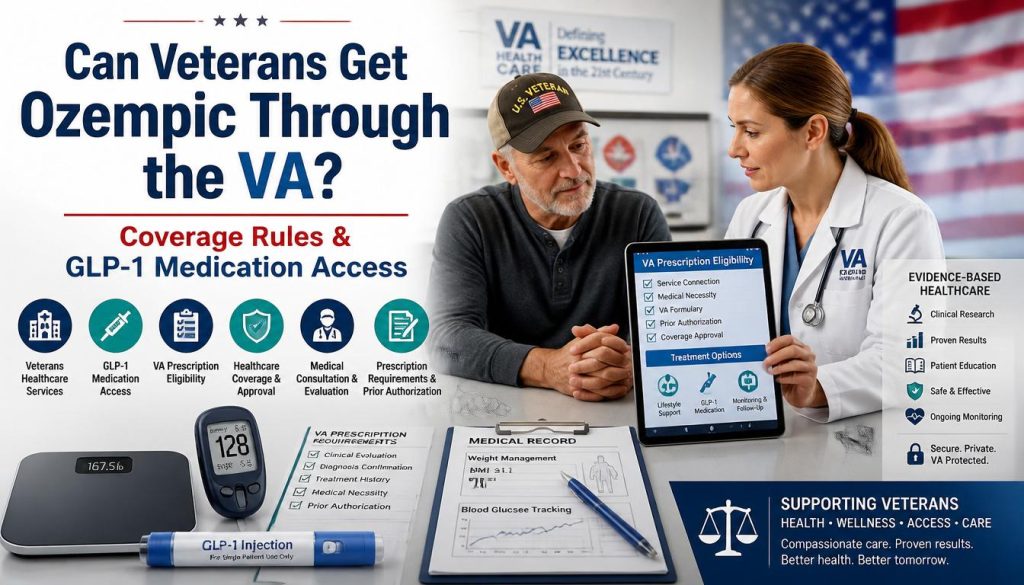
For many veterans, managing chronic health conditions like type 2 diabetes or navigating long-term weight management is a daily reality. With the massive rise in popularity of GLP-1 medications, you may have wondered if you can access these treatments through your Veterans Affairs health benefits.
The short answer is yes, the VA does cover semaglutide, the active ingredient in medications like Ozempic and Wegovy. However, getting these prescriptions filled through the VA pharmacy system is not as simple as asking your provider for a quick script.
Because of the high demand, ongoing global supply shortages, and specific federal budget guidelines, the VA utilizes strict prior authorization criteria. Understanding how the VA national formulary views these medications, who qualifies, and how to navigate the clinical review process can significantly streamline your healthcare journey.
What Is Ozempic and Why Are Veterans Asking About It?
Ozempic is a brand name for semaglutide, an injectable medication that belongs to a class of drugs called GLP-1 (glucagon-like peptide-1) receptor agonists. Originally developed and FDA-approved to improve blood sugar management in adults with type 2 diabetes, semaglutide works by mimicking a natural hormone in your body. It stimulates insulin production when blood sugar is high, slows down stomach emptying, and signals your brain that you are full.
This natural shift in appetite regulation and digestion frequently leads to significant weight loss. Because obesity is a major metabolic risk factor linked to other common veteran health concerns, such as cardiovascular disease, sleep apnea, and joint pain, interest in semaglutide has skyrocketed across the veteran community.
Does the VA Cover Ozempic?
The VA pharmacy system operates on a National Formulary, which is a list of medications the agency agrees to provide to eligible veterans. VA Ozempic coverage exists, but it is heavily restricted based on your specific medical diagnosis and clinical history.
The VA categorizes semaglutide strictly by its FDA-approved indications:
- For Type 2 Diabetes: Ozempic is listed on the VA formulary but requires a Prior Authorization-Facility (PA-F) review. Your provider must document that you meet specific medical criteria before the pharmacy will release the medication.
- For Weight Loss or Other Indications: The VA generally does not approve the brand-name drug Ozempic solely for weight management treatment. If you do not have a type 2 diabetes diagnosis, a request for Ozempic will likely be denied by the facility pharmacy.
Who May Qualify for Ozempic Through the VA?
To qualify for semaglutide VA coverage under the Ozempic brand name, you must meet the rigid clinical criteria established by the VA’s medical board. Your VA healthcare provider must establish documented medical necessity through your electronic health record.
The primary eligibility requirements typically include:
- A Confirmed Type 2 Diabetes Diagnosis: Ozempic is not approved by the VA for pre-diabetes, metabolic syndrome, or general weight loss.
- Prior Medication History: VA clinical guidelines require that you try and fail, or have a medical contraindication to, first-line generic diabetes medications (such as metformin) or other specific formulary alternatives before stepping up to a GLP-1.
- Cardiovascular or Renal Risk Factors: The VA heavily prioritizes GLP-1 coverage for diabetic veterans who also exhibit established atherosclerotic cardiovascular disease (ASCVD), heart failure, or chronic kidney disease (CKD), as semaglutide offers proven protective benefits for the heart and kidneys.
Ozempic vs. Wegovy Through the VA
If your primary health goal is chronic weight management rather than managing blood sugar, it helps to understand the difference between Ozempic and Wegovy. Both of these pens contain the exact same active drug: semaglutide. However, they are distinct FDA-approved products with entirely separate VA coverage policies.
| Feature | Ozempic | Wegovy |
| Primary FDA Approval | Type 2 Diabetes Mellitus | Chronic Weight Management / MACE Prevention |
| VA Formulary Status | On-Formulary (Requires Prior Authorization) | Non-Formulary (Requires Specialized Review) |
| Primary VA Requirement | Failed first-line diabetes therapies | Participation in a lifestyle program (MOVE!) |
Wegovy VA coverage is intended for obesity treatment through the VA. It may be approved for veterans with a Body Mass Index (BMI) of 30 kg/m² or greater, or a BMI of 27 kg/m² or greater accompanied by weight-related conditions like high blood pressure or sleep apnea.
How Veterans Can Ask About Ozempic Coverage
Navigating the VA semaglutide prescription process requires patience and open communication with your primary care team. You cannot bypass your local VA clinic to order these medications directly.
Here is the step-by-step process to follow:
1. Schedule a Primary Care Consultation
Book an appointment with your VA primary care provider to discuss your health goals, whether that involves lowering your A1C or addressing metabolic health.
2. Complete Necessary Lab Reviews
Your doctor will look at your recent blood panels, specifically your hemoglobin A1C, kidney function markers, and your history of diabetic eye exams within the past 12 months.
3. Discuss Your Treatment History
Be prepared to review the medications you have already tried. Your provider will need to document why those treatments were insufficient or caused intolerable side effects.
4. Enroll in Mandatory Support Programs
If your goal is weight loss via Wegovy rather than diabetes management via Ozempic, your provider will likely require you to enroll in a comprehensive lifestyle intervention, such as the VA’s MOVE! Weight Management Program, before submitting a non-formulary drug request.
What If the VA Does Not Approve Ozempic?
If your prior authorization is denied, it can feel discouraging. Fortunately, a denial does not mean you are out of options. The VA offers several alternative pathways to support your health journey.
- Alternative Formulary Medications: The VA covers other effective, non-GLP-1 oral and injectable medications for blood sugar control and weight management, including combinations like phentermine/topiramate or naltrexone/bupropion.
- VA Weight Loss Programs: Engaging deeply with the MOVE! program offers behavior, nutrition, and exercise counseling that can create sustainable health transformations even without medication.
- Community Care or Private Insurance: If you have secondary private health insurance or a TriCare policy, you may be able to seek a prescription through a civilian provider, though coverage rules and copays will depend entirely on your private plan.
- Medically Supervised Weight Management Clinics: Many veterans choose to supplement their VA care by working with specialized, independent clinical programs to access GLP-1 treatment alternatives safely and affordably.
Important Safety and Cost Considerations
Using any GLP-1 medication requires careful medical oversight. Common Ozempic side effects include gastrointestinal issues such as nausea, vomiting, diarrhea, and constipation. While these symptoms are often mild and temporary, semaglutide safety guidelines warn against its use if you have a personal or family history of medullary thyroid carcinoma or Multiple Endocrine Neoplasia syndrome type 2 (MEN 2).
Furthermore, ongoing manufacturing shortages mean that even with an approved prescription, your local VA pharmacy might experience temporary delays in fulfilling your specific dosage pen. Regular GLP-1 treatment monitoring with your doctor is vital to ensure the medication is working safely and effectively for your body over the long term.
Frequently Asked Questions
No, the VA generally does not cover the brand-name drug Ozempic specifically for weight loss. The VA reserves Ozempic for veterans with a type 2 diabetes diagnosis. For weight loss alone, the VA utilizes a non-formulary process to evaluate the sister medication, Wegovy.
Yes, veterans can get semaglutide through the VA, but they must meet specific clinical criteria. It is prescribed as Ozempic for type 2 diabetes or as Wegovy for chronic weight management under strict prior authorization protocols.
Wegovy is available through the VA via a non-formulary approval process. To qualify, veterans must typically participate in a comprehensive lifestyle modification program, such as the MOVE! program, and meet specific BMI thresholds.
To qualify, you must have a documented diagnosis of type 2 diabetes and have previously tried other standard, first-line glucose-lowering medications without achieving your target A1C goals.
Yes. According to the VA National Formulary criteria, a diagnosis of type 2 diabetes mellitus is a baseline requirement for the approval of an Ozempic prescription.
Yes, several GLP-1 medications are available, but they all carry facility-level prior authorizations to ensure they are prescribed according to strict safety and medical necessity criteria.
The VA covers medications like orlistat, phentermine/topiramate, and naltrexone/bupropion on its standard formulary. Injectable GLP-1s like Wegovy or Zepbound are reviewed on a case-by-case, non-formulary basis.
Yes. The VA can deny coverage if a veteran does not meet the necessary clinical criteria, such as lacking a type 2 diabetes diagnosis or not trying first-line formulary alternatives first.
Without insurance or VA coverage, retail costs for Ozempic can range from $900 to over $1,200 per month out of pocket. Government program beneficiaries are generally not eligible for manufacturer company savings cards.
Yes. The VA offers the MOVE! Weight Management Program, which is a comprehensive lifestyle intervention focusing on nutrition, physical activity, and behavior change.
Moving Forward With Your Health Goals
Securing VA coverage for advanced therapies like Ozempic comes down to your medical history, your specific diagnosis, and working closely within the parameters of the VA pharmacy system. Because these clinical guidelines shift to match emerging medical data, having an honest, proactive conversation with your primary care provider is always your best first step.
If you are looking to understand your treatment options or want to explore comprehensive, medically supervised weight management support outside of the traditional system, consider learning more about GLP-1 treatment alternatives through the educational resources at Wellpithm. Your health journey is unique, and you deserve a care plan that supports your long-term vitality.
Here is a comprehensive list of the official federal policies, clinical guidelines, and primary healthcare references used to establish the medical and administrative accuracy of this guide.
Veterans can use these specific document names and criteria points when preparing for consultations with their VA primary care providers or facility pharmacists.
Official VA Policy and Formulary References
U.S. Department of Veterans Affairs | VA National Formulary
Source: VA Pharmacy Benefits Management Services / National Formulary Advisor
VA Pharmacy Benefits Management Services (PBM)
Source: VA PBM-MAP-VPE Clinical Guidance
Veterans Health Administration (VHA) / OptumRx Benefit Program Updates
Source: VA Health Benefits and Insurance Information Services
Clinical and Manufacturer Reference Guides
FDA Prescribing Information & Safety Guidelines