

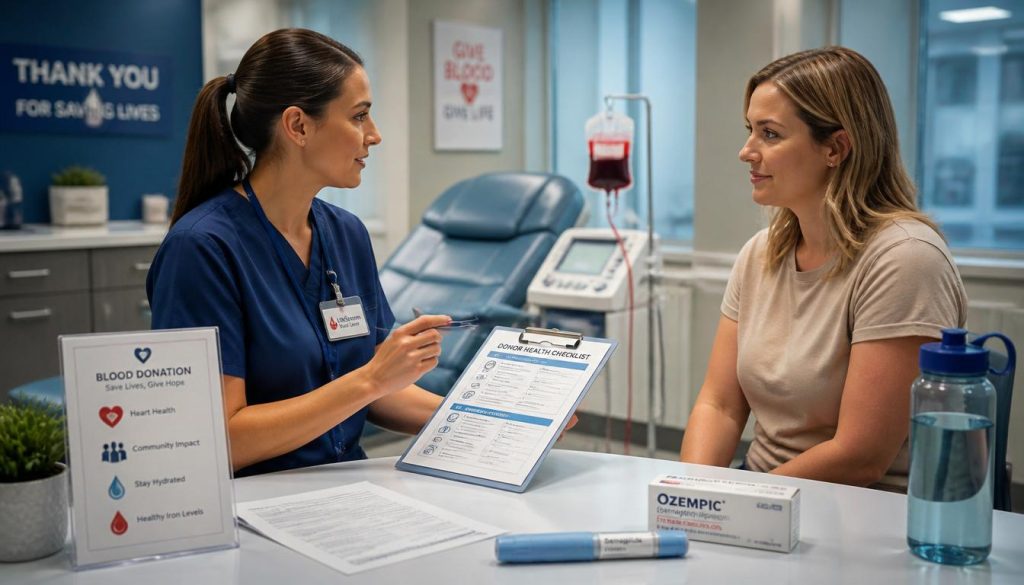
Imagine walking into a local community blood drive in downtown Chicago or a mobile donation bus in Miami. You are ready to help save lives, but as you approach the registration desk, a question stops you in your tracks. You recently started a prescription for a GLP 1 medication to manage your health. Suddenly, you wonder if your weekly injection might disqualify you from participating.
This uncertainty is a common experience for many people across the United States today. Whether you are at a workplace drive in Seattle or a church event in Atlanta, wanting to give back while managing your health is a noble goal. The fear of being turned away at the screening table can be stressful, but for most individuals, the answer is simpler than you might think. Understanding how medications like Ozempic interact with blood donation rules is the first step toward a successful and safe donation experience.
Can you donate blood on Ozempic?
Yes, most people can donate blood while taking Ozempic. Currently, the American Red Cross and other major blood centers in the United States do not list semaglutide or other GLP 1 medications as disqualifying drugs. Eligibility depends primarily on your overall wellness, stable blood sugar, and whether you are experiencing active side effects on the day you donate.
What blood donation centers check before approving donors
In cities like Los Angeles and Houston, blood donation centers follow strict screening protocols to protect both the donor and the recipient. When you arrive, staff will perform a health assessment that includes:
- Vital Signs: Your blood pressure, pulse, and temperature must fall within safe ranges.
- Hemoglobin Levels: A small finger prick test ensures you have enough iron in your blood to donate safely.
- Medication Review: You will provide a list of current prescriptions. Most common medications for blood pressure, cholesterol, and diabetes do not prevent you from donating.
- General Wellness: You must feel healthy and have no active infections or symptoms of illness.
It is important to remember that many Americans successfully donate blood while managing chronic conditions with prescription medications.
How Ozempic may affect blood donation readiness
While the medication is permitted, the way your body responds to it matters. Ozempic belongs to a class of GLP 1 medications that can influence your metabolic response. Factors that may affect your readiness include:
- Hydration Status: GLP 1 medications can sometimes lead to decreased thirst or mild dehydration. Proper hydration while taking ozempic is vital before you sit in the donor chair.
- Appetite and Energy: Because these medications slow stomach emptying, you might eat less. Donating blood requires adequate circulatory volume, which is supported by eating a substantial meal before your visit.
- Blood Pressure Stability: While these medications often help with health markers, the donation process itself can cause a temporary drop in blood pressure. You must be feeling steady and strong.
If you have recently adjusted your dose and are feeling temporary gastrointestinal side effects, it is wise to wait a few days until your body feels balanced.
Can people with diabetes donate blood while taking Ozempic?
Living with diabetes does not mean you cannot be a hero. In fact, many regular donors in Dallas and San Francisco manage their blood glucose regulation with semaglutide.
The primary concern for donation centers is that your diabetes is under control. If your blood sugar is prone to frequent highs or lows, or if you have recently experienced an episode of severe hypoglycemia risk, the screening staff may suggest waiting. Being honest during the donor eligibility screening ensures that you do not feel faint or ill during the procedure.
Can you donate plasma on Ozempic?
If you are looking to donate plasma on ozempic, the rules are very similar to whole blood donation. However, plasma donation takes longer and involves returning your red blood cells to your body.
Because plasma is mostly water, hydration while taking ozempic is even more critical here. You should also ensure you are consuming enough protein, as plasma contains vital proteins that your body will need to replace. If you are meeting your nutritional goals and feel energetic, plasma donation is generally an option.
How to prepare for blood donation while taking Ozempic
Preparation is the key to a positive experience. Follow these steps to ensure you are ready:
- Hydrate Early: Start drinking extra water 24 to 48 hours before your appointment.
- Eat a Full Meal: Do not donate on an empty stomach. Choose a balanced meal with protein and complex carbohydrates.
- Monitor Your Body: If you feel nauseated or dizzy on the day of your appointment, reschedule.
- Know Your Meds: Bring a list of your medications, including the specific name and dosage of your GLP 1 medication.
- Rest Up: Ensure you get a good night of sleep before heading to the center.
When donating blood on Ozempic may not be a good idea
There are specific times when it is better to stay home and rest:
- Severe Dehydration: If you have been unable to keep fluids down due to nausea.
- Recent Dose Increase: If you are currently adjusting to a higher dose and feel unwell.
- Uncontrolled Blood Sugar: If your latest readings have been unstable.
- Fainting Spells: If you have a history of feeling lightheaded since starting the medication.
Safety first means making sure your body has the resources to spare a pint of blood without compromising your own health.
What people get wrong about Ozempic and blood donation
Misinformation can sometimes spread faster than facts. Some people believe that GLP 1 medications stay in the blood and could harm a recipient. However, the amount of medication that would be transferred in a single unit of blood is considered negligible by health authorities. Others think that having any chronic condition like diabetes is an automatic ban. In reality, the medical community encourages healthy, well managed individuals to contribute to the blood supply.
Why it is normal to feel unsure about donating blood on medication
It is completely natural to feel a bit of anxiety. Most people want to do the right thing and avoid any risks. In the United States, the blood donation system is designed with multiple layers of safety. Asking questions at the donation center is a sign of a responsible donor. The staff at your local drive are trained to guide you and will never judge you for your health history or medication use.
Why questions about GLP 1 medications and blood donation are increasing in the United States
With the rapid growth in use of medications like Ozempic, Wegovy, and other semaglutide products, more Americans are taking charge of their metabolic health. This shift has led to a surge in questions about how these treatments fit into everyday life, including volunteer work. As we become more proactive about preventive health, understanding these interactions becomes a standard part of patient education.
Why Wellorithm is a trusted health resource in the United States
At Wellorithm, we believe that medication management should not stand in the way of living a full and active life. We provide evidence based education to help you navigate the complexities of GLP 1 medications with confidence. Our goal is to empower patients with clinical accuracy delivered in a way that is easy to understand and apply.
Summary Table: Donation Readiness Checklist
| Factor | Requirement | Tip for Ozempic Users |
| Medication | Not on deferral list | Disclose your use during screening |
| Hydration | High fluid intake | Drink extra water 48 hours prior |
| Blood Sugar | Stable and controlled | Do not skip your regular dose |
| Side Effects | No active nausea/dizziness | Reschedule if feeling unwell |
| Weight | Minimum 110 lbs | Ensure weight is stable |
Frequently Asked Questions
Yes. You are eligible to donate blood while on Ozempic as long as you feel healthy and your blood sugar is well managed.
No. It is not on the list of prohibited medications. Eligibility is based on your physical health at the time of donation.
Yes. Most people with type 2 diabetes are encouraged to donate, provided their condition is stable and they meet other health criteria.
No. Keep your medication schedule as prescribed by your doctor to maintain steady health markers during your donation.
It is possible if you are not well hydrated or have not eaten enough. Pay extra attention to your food and fluid intake on donation day.
Yes. Plasma donation is generally safe for those taking semaglutide, provided they maintain excellent hydration and nutrition.
Disqualifying medications usually include certain blood thinners, acne treatments like isotretinoin, and some medications for HIV prevention. Ozempic is not one of them.
Focus on drinking plenty of water, eating a nutritious meal before your appointment, and ensuring you feel physically strong before you go.
Conclusion
Donating blood is one of the most impactful ways to serve your community in the United States. If you are taking Ozempic, you can likely join the millions of donors who help save lives every year. By focusing on your hydration, nutrition, and overall wellness, you can ensure a safe and rewarding experience. Remember to always be transparent with the screening staff and listen to your body. Your health and your contribution both matter.
Sources and References
- FDA Medication Guide for Ozempic: Information on semaglutide use and safety profiles. https://www.accessdata.fda.gov/drugsatfda_docs/label/2017/209637lbl.pdf
- American Red Cross Donor Eligibility: Official guidelines on medications and health conditions. https://www.redcrossblood.org/donate-blood/how-to-donate/eligibility-requirements/eligibility-criteria-alphabetical.html