
Waking up day after day feeling like your own biochemistry is actively working against you. For millions of women living with polycystic ovary syndrome (PCOS), this is not a hypothetical scenario, it is an exhausting reality. You manage the frustrating cycle of stubborn weight gain, intense sugar cravings, overwhelming fatigue, and irregular menstrual cycles. You track every calorie, commit to intense workout regimens, and cut out entire food groups, only to watch the scale refuse to budge.
When GLP-1 medications captured the global spotlight, they felt like a definitive glimmer of hope for hormonal balance and metabolic recovery. It is entirely natural that your next immediate thought would be: does insurance cover Ozempic for PCOS? The biological link between metabolic health and hormone regulation is undeniable, yet translating clinical necessity into corporate health insurance approval remains an uphill battle. Navigating the intersection of medical benefits and strict insurance rules leaves many women feeling overwhelmed and financially anxious. Understanding exactly how insurance policies evaluate these claims can help you navigate the system with clarity and realistic expectations.
What Is Ozempic and Why Is It Being Discussed for PCOS?
Ozempic is the brand name for semaglutide, a highly effective GLP-1 medication that functions as a glucagon-like peptide-1 receptor agonist. Originally developed and formulated to manage blood sugar regulation in adults, it works by mimicking a natural metabolic hormone. This hormone stimulates insulin secretion when glucose is high, slows down gastric emptying to prolong fullness, and communicates directly with the brain to regulate appetite control.
While the medication was designed with diabetes in mind, the medical community increasingly recognizes its profound application as a metabolic treatment for PCOS. The driving force behind the vast majority of PCOS symptoms is a foundational issue called insulin resistance. When you experience insulin resistance and PCOS, your cells ignore the signals of insulin, causing your pancreas to pump out excess amounts of this hormone.
High insulin levels do not just cause weight gain and fatigue, they actively signal your ovaries to produce excess androgens like testosterone. This hormonal cascade halts ovulation, drives cystic acne, and causes male-pattern hair thinning. By introducing semaglutide for PCOS, providers are using the drug to repair insulin sensitivity at the cellular level. This clinical approach addresses the root metabolic dysfunction rather than merely masking surface-level symptoms.
Is Ozempic FDA-Approved for PCOS?
When navigating the healthcare system, it is vital to separate clinical efficacy from regulatory status. Ozempic is strictly approved by the U.S. Food and Drug Administration (FDA) for two indications: improving blood sugar levels in adults with type 2 diabetes, and reducing the risk of major cardiovascular events in adults who have both type 2 diabetes and established heart disease.
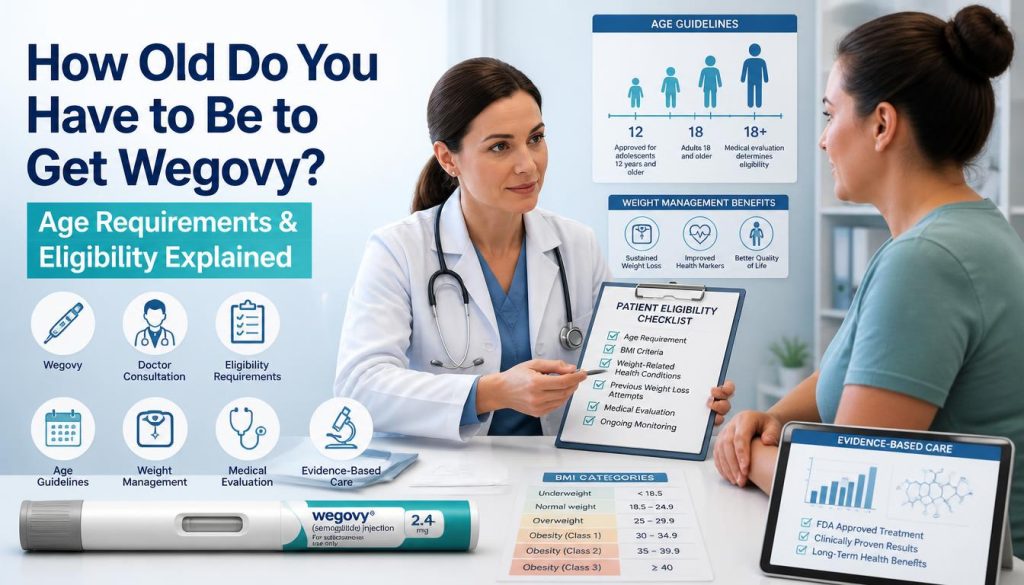
A companion medication manufactured by the same company, Wegovy, contains the exact same active molecule, semaglutide, but features different dosages and carries an FDA approval for chronic weight management. Currently, polycystic ovary syndrome is not an FDA-approved indication for Ozempic, Wegovy, or any other GLP-1 medication on the market.
Because PCOS lacks this official regulatory stamp, using Ozempic for PCOS falls under the category of off-label prescribing. It is completely legal, highly ethical, and incredibly common for licensed physicians to prescribe medications off-label. Doctors routinely look at cutting-edge medical research and clinical guidelines to use approved therapies for conditions outside their formal label.
Even though an off-label semaglutide prescription is scientifically sound, it presents a significant hurdle for coverage. Health insurance networks are structured to build their drug lists around formal FDA indications, meaning an off-label status gives them a legal pathway to restrict or deny immediate payment.
Does Insurance Cover Ozempic for PCOS?
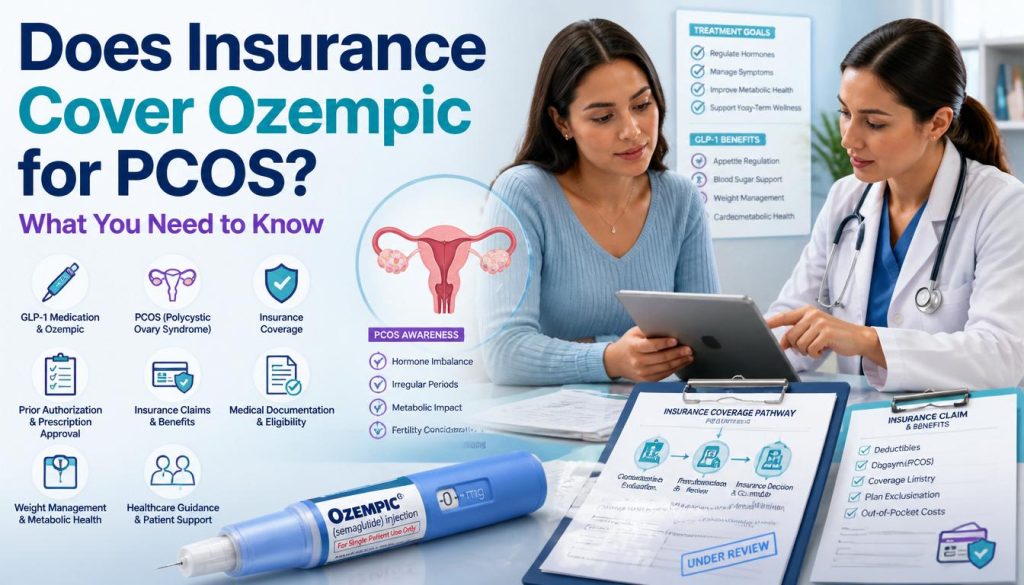
The short answer regarding PCOS insurance coverage for Ozempic is that it varies dramatically by plan, but standard coverage remains highly restrictive. Because insurance infrastructure is designed around specific diagnosis codes, a standalone diagnosis of polycystic ovary syndrome is rarely enough to guarantee coverage.
Most major insurance entities utilize highly managed pharmacy benefit lists to control their expenditures on high-demand medications. If your employer-sponsored insurance or individual commercial insurance plan states that Ozempic is strictly reserved for type 2 diabetes, any submission without that specific diagnostic code will trigger an automatic Ozempic insurance denial.
However, your specific policy structure plays a massive role. Some employer groups opt into comprehensive wellness coverage that grants pharmacy benefit managers more flexibility. In these instances, if your medical chart demonstrates profound metabolic risk factors, your insurer might look past the lack of a diabetes diagnosis.
State-funded Medicaid variability also means that coverage rules change completely depending on your geographic location. Some state Medicaid guidelines allow coverage for metabolic interventions, while others maintain rigid restrictions that exclude any GLP-1 use outside of a confirmed diabetes diagnosis.
What Factors Increase the Chances of Insurance Approval?
Securing insurance approval for Ozempic requires building an airtight medical case that demonstrates your clinical necessity. Insurers rarely approve the drug for PCOS alone, but they are far more likely to grant a prior authorization if your medical history includes specific overlapping metabolic health concerns.
- Documented Prediabetes: If your lab work reveals an elevated hemoglobin A1c level between 5.7% and 6.4%, your provider can frame the prescription around preventing progression to full type 2 diabetes.
- Severe Insulin Resistance: High fasting insulin levels, paired with visible physical markers like acanthosis nigricans (darkened skin patches around the neck or underarms), provide undeniable proof of metabolic strain.
- Elevated Body Mass Index (BMI): An elevated BMI, particularly when it meets the threshold for obesity or falls above a BMI of 27 alongside comorbid conditions like high blood pressure or hyperlipidemia, provides secondary pathways for coverage justification.
- History of Step Therapy: Insurance reviewers want to see that you attempted more traditional, less expensive treatments first. Showing that you tried and failed to achieve metabolic stability with first-line options like metformin or lifestyle modifications heavily strengthens your case.
Ozempic vs Wegovy for PCOS and Weight Loss
When exploring GLP-1 medications for PCOS, you will frequently hear Ozempic and Wegovy mentioned in the same breath. They are identical chemical formulations of semaglutide, but they are treated like completely different products by insurance companies.
Here is an upgraded, comprehensive comparison table. It keeps your original metrics but adds the critical, high-value data points (like starting doses, clinical criteria, and cardiac approvals) that readers actually search for.
Ozempic vs. Wegovy: The Ultimate Comparison Guide
| Feature | Ozempic | Wegovy |
| Active Ingredient | Semaglutide | Semaglutide |
| Primary FDA Indication | Type 2 Diabetes Mellitus | Chronic Weight Management |
| Secondary FDA Indication | Cardiovascular risk reduction (in T2D) | Cardiovascular risk reduction (in Obesity/Overweight) |
| Starting Dose | 0.25 mg weekly | 0.25 mg weekly |
| Max Maintenance Dose | 2.0 mg weekly | 2.4 mg weekly |
| Insurance Category | Anti-Diabetic / Maintenance Medication | Anti-Obesity / Weight Loss Benefit |
| Typical Approval Pathway | Elevated HbA1c (Glycemic Control Metric) | BMI ≥ 30 (or ≥ 27 with a comorbidity like hypertension) |
| Prior Authorization Difficulty | Moderate (Usually requires T2D diagnosis) | High (Often excluded from standard employer plans) |
| Off-Label Uses | Weight loss, PCOS, Insulin Resistance | Prediabetes, Metabolic Syndrome |
Because Wegovy for PCOS aligns directly with a weight management profile, its approval process bypasses the need for a type 2 diabetes diagnosis. Instead, your provider must document that your weight threatens your physical health.
The primary complication here is that a vast number of commercial health plans explicitly write out weight loss medication coverage from their foundational benefit packages entirely. If your employer has a complete exclusion on weight loss treatments, Wegovy will be denied regardless of your BMI. In that specific scenario, pursuing Ozempic by focusing entirely on your metabolic metrics and insulin levels is often the only viable route.
What Happens During the Prior Authorization Process?
The semaglutide prior authorization framework is essentially an administrative vetting process where your insurance company demands proof of absolute medical necessity before they agree to fund a high-cost drug. The process requires patience and systematic coordination between your doctor’s medical staff and your pharmacy benefit manager.
Step 1: Clinical Documentation
Your specialist or primary care provider gathers your full medical file, including relevant lab reports, current BMI measurements, a log of your comorbid conditions, and a record of prior medications you have tried.
Step 2: Form Submission
Your doctor completes a highly specific prior authorization form detailing your clinical status and electronically submits it directly to your insurance company’s review board.
Step 3: The Initial Decision
The insurance company evaluates your submission against their internal formulary rules, a process that can take anywhere from a few business days to two full weeks. They will then issue an approval or a formal denial.
Step 4: The Appeals Phase
If you receive an initial denial, do not panic. Your healthcare provider has the right to file an official appeal. They can provide deeper clinical context, attach peer-reviewed literature showing the efficacy of GLP-1 treatments for hormonal dysfunction, or request a peer-to-peer consultation with an insurance medical director to override the computer-generated denial.
What If Insurance Does Not Cover Ozempic?
Facing a final denial after an appeal is deeply discouraging, but it does not mean your journey toward metabolic health is over. You still have practical options to explore that can make your treatment plan both effective and financially realistic.
First, investigate manufacturer assistance programs. Novo Nordisk offers an official savings card that can drop out-of-pocket costs significantly, though these programs usually require that your commercial insurance plan already covers the medication to maximize the savings. For individuals without any insurance coverage who meet specific income limits, the Novo Nordisk Patient Assistance Program provides options for free medication.
Second, you can look into alternative, affordable semaglutide options under strict medical guidance. Many reputable medical weight management clinics partner with specialized, state-licensed compounding pharmacies to offer compounded semaglutide formulations at a fraction of the retail cost. If you choose this path, you must protect your health by ensuring the pharmacy is fully accredited and verified.
Finally, remember that you can build an incredible foundational protocol using alternative insulin resistance treatments. Optimizing your layout with standard medications like metformin, incorporating evidence-based supplements like inositol, focusing on muscle-building exercise, and working with specialized PCOS weight management support professionals can completely transform your hormonal health.
Important Safety and Medical Considerations
Stepping into the world of GLP-1 therapies requires clear, cautious medical oversight. While semaglutide is highly effective, it carries a profile of common side effects that users must prepare to navigate. Gastrointestinal symptoms, including mild to severe nausea, vomiting, diarrhea, acid reflux, and constipation, are frequently reported as your body adapts to the delayed stomach emptying.
More serious but rare risks include gallbladder disease, acute pancreatitis, and specific warnings regarding thyroid C-cell tumors. These risks highlight why obtaining these medications under strict physician supervision is paramount to your safety.
For women with PCOS, fertility and family planning are critical factors to consider. Improved insulin sensitivity frequently causes unexpected ovulation changes, meaning your fertility can return quickly even if you have had irregular cycles for years.
However, semaglutide is absolutely not safe to use during pregnancy due to potential risks to fetal development. Clinical guidelines state that you must stop taking the medication at least two full months before actively attempting to conceive. Ongoing monitoring with your healthcare team ensures that your metabolic progress is completely aligned with your long-term family goals.
Frequently Asked Questions
Most commercial insurance plans do not cover Ozempic when it is prescribed solely for a standalone PCOS diagnosis. Because the drug is only FDA-approved for type 2 diabetes, insurers routinely deny coverage unless you have co-occurring conditions like prediabetes or severe metabolic dysfunction.
Yes, any licensed healthcare provider can legally write an off-label prescription for Ozempic to treat the metabolic symptoms of PCOS. This practice is entirely legal and common when supported by clinical evidence.
No, Ozempic is not currently approved by the FDA for treating polycystic ovary syndrome. Its official regulatory approvals are strictly limited to type 2 diabetes management and cardiovascular risk reduction.
Insurance companies deny Ozempic primarily to control high pharmaceutical costs. They place rigid boundaries on their formularies, automatically rejecting claims that lack a type 2 diabetes diagnosis code.
Yes, you can obtain semaglutide without diabetes by receiving a prescription for Wegovy, which is approved for weight management, or by obtaining an off-label prescription for Ozempic for metabolic conditions.
Wegovy can be easier to get approved if your specific policy includes a weight loss benefit and you meet the BMI criteria. However, if your employer plan completely excludes weight loss drugs, Ozempic may be a better option if you have documented prediabetes.
The absolute primary qualifying diagnosis is type 2 diabetes. Secondary metabolic diagnoses that can help support a prior authorization case include prediabetes, severe insulin resistance, metabolic syndrome, and elevated cardiovascular risk.
A standalone PCOS diagnosis rarely meets an insurance company’s strict definition of medical necessity for semaglutide. To establish necessity, your provider must document underlying complications like prediabetes or severe obesity that have failed to improve with other therapies.
Without insurance coverage, the out-of-pocket retail price for an Ozempic pen typically ranges from $900 to $1,300 per month, depending heavily on your pharmacy, geographical location, and available retail discount coupons.
If Ozempic is denied, effective options include first-line metabolic medications like metformin, alternative GLP-1 medications that may be preferred on your plan’s formulary, targeted supplement therapies, and dedicated lifestyle protocols.
Your metabolic and hormonal health journey is completely unique, and navigating the insurance system requires patience. While securing coverage for GLP-1 therapies for off-label needs can be complex, understanding your plan details and working transparently with your medical provider will give you the best possible footing. Take the time to review your formulary document, talk openly with an endocrinology or obesity medicine specialist, and explore the diverse metabolic resources available here at Welloirthm to keep moving forward sustainably.
Sources & Medical References
- U.S. Food and Drug Administration (FDA) Ozempic Approval Information: https://www.fda.gov
- National Institutes of Health (NIH) Clinical Studies on PCOS and Insulin Resistance: https://www.nih.gov
- Official Novo Nordisk Ozempic Cost and Coverage Resource: https://www.ozempic.com
- GoodRx Health Insurance and GLP-1 Tracking Data: https://www.goodrx.com