


It is 11 PM in Chicago. You are sitting on your couch, scrolling through your Aetna member portal, and the numbers on the screen do not make sense. Your doctor suggested Wegovy or Zepbound earlier today to help manage your weight and improve your health. You felt a surge of hope for the first time in years. Then, you saw the retail price.
Over 1,300 dollars for a single month.
The hope quickly turns into a heavy knot of anxiety. You start searching for answers. You see social media stories of people getting their injections for 25 dollars, while others post photos of denial letters from Aetna citing a lack of medical necessity. You wonder if your employer chose a plan that excludes weight loss drugs entirely or if you just need to provide the right documentation. The American healthcare system feels like a maze, and you are just trying to find a path toward better health.
At Wellorithm, we understand that insurance coverage is not just about paperwork. It is about your ability to access life-changing care. This guide breaks down exactly how Aetna handles GLP 1 coverage in 2026, the specific criteria you must meet, and what to do if you receive a denial.
How Aetna decides whether to cover GLP 1 medications
In the United States, insurance coverage is rarely universal. Aetna is a massive insurer, but they do not use one single rulebook for every patient.
Employer-Sponsored Plan Differences
Most people with Aetna get their insurance through an employer in cities like New York, Los Angeles, or Houston. Your employer actually decides whether to include weight loss medication coverage in the plan they purchase. If your company has opted for a coverage exclusion for obesity treatment, Aetna cannot override that, even if your doctor says the medication is a medical necessity.
Pharmacy Benefit Manager (PBM) Influence
Aetna is part of CVS Health, which means your pharmacy benefit manager is often CVS Caremark. They create the formulary, a list of preferred drugs. In 2026, medications like Wegovy may be on a preferred tier, while Zepbound might require a higher copay or a formulary exception depending on the specific contract.
Commercial vs. Marketplace Plans
Individual and Family plans purchased through the ACA Marketplace often have more restrictive formularies. In 2026, these plans are less likely to cover GLP 1 medications for weight loss compared to large corporate plans in Seattle or Atlanta.
Which GLP 1 medications Aetna may cover in 2026
The medication you are prescribed determines how Aetna views your claim. There is a major distinction between drugs for Type 2 diabetes and those for obesity.
| Medication | Primary FDA Indication | Aetna Coverage Status (General) |
| Ozempic | Type 2 Diabetes | Usually covered for diabetes; rarely for weight loss. |
| Mounjaro | Type 2 Diabetes | Usually covered for diabetes; requires PA for other uses. |
| Wegovy | Obesity / Chronic Weight Management | Covered on plans with weight loss benefits. |
| Zepbound | Obesity / Chronic Weight Management | Covered on select plans; often requires PA. |
| Saxenda | Obesity / Chronic Weight Management | Often covered as a preferred daily injectable. |
Important Note: Aetna Ozempic coverage is typically restricted to patients with a confirmed Type 2 diabetes diagnosis. If your doctor prescribes Ozempic off-label for weight loss, Aetna will likely deny the claim and suggest Wegovy instead, as they are both semaglutide but Wegovy is FDA approved for weight loss.
What criteria you may need to meet for Aetna GLP 1 approval
Aetna uses a process called prior authorization to ensure medications are being used according to clinical guidelines. To get Wegovy or Zepbound approved, you usually must meet the following Aetna BMI requirements for GLP 1:
- Obesity Classification: A Body Mass Index of 30 or greater.
- Overweight with Comorbidities: A BMI of 27 or greater, plus at least one weight-related health condition such as high blood pressure, high cholesterol, or obstructive sleep apnea.
- Documented Lifestyle Program: Many Aetna plans in 2026 require proof that you participated in a structured weight loss program (like diet and exercise) for at least three to six months before starting medication.
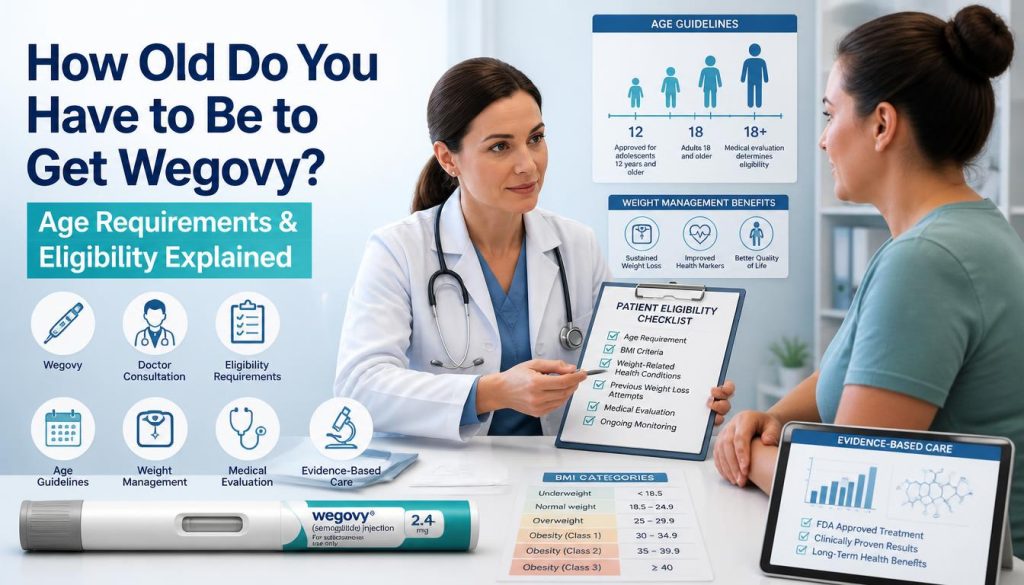
- Age Requirements: Usually for adults 18 and older, though some plans cover Wegovy for adolescents age 12 and up.
How Aetna prior authorization for GLP 1 medications works
The prior authorization (PA) process is the gatekeeper between you and your medication. Here is how it usually unfolds:
- The Prescription: Your doctor in Miami or Dallas sends a prescription to the pharmacy.
- The Rejection: The pharmacy runs the claim, and it comes back as Requires Prior Authorization.
- The Paperwork: Your doctor’s office submits a PA form to Aetna. This must include your current BMI, your medical history, and any comorbid conditions.
- The Review: Aetna clinicians review the request against their 2026 clinical eligibility criteria.
- The Decision: This usually takes 3 to 7 business days. You will receive a letter of approval or a denial notice.
Why Aetna may deny GLP 1 coverage and what to do next
Receiving a denial letter can feel like a personal rejection, but it is often just a procedural hurdle. Common reasons for why Aetna denied my GLP 1 medication include:
- Plan Exclusion: Your employer simply does not cover any weight loss drugs.
- Missing Information: The doctor forgot to include your BMI or your history of trying other diets.
- Step Therapy: Aetna may require you to try older, cheaper medications like Qsymia or Contrave before they will approve a GLP 1.
- Wrong Diagnosis Code: Using a weight loss code for a diabetes drug like Mounjaro.
What to do next:
If you are denied, ask for a copy of the denial letter. It will list the exact reason. You have the right to file a GLP 1 appeal letter with the help of your doctor. Many denials are overturned when better documentation is provided.
How much GLP 1 medications may cost without Aetna coverage
If your plan has a total coverage exclusion, you might face the full retail price. In the United States, these costs remain high in 2026:
- Wegovy/Ozempic: Approximately 1,350 dollars per month.
- Zepbound/Mounjaro: Approximately 1,050 to 1,200 dollars per month.
Ways to save:
Manufacturer Savings Cards: Eli Lilly and Novo Nordisk offer coupons that can bring the price down to 25 or 550 dollars for eligible patients.
Compounding Misconceptions: While some turn to compounded semaglutide for lower costs, these are not FDA approved brand name medications and are often not covered by Aetna.
Section 125 Plans: You may be able to use HSA or FSA funds to pay for the medication with pre-tax dollars.
Aetna vs. other insurance companies for GLP 1 coverage in 2026
Insurance variability is high across the American healthcare landscape.
- Aetna: Strongly tied to CVS Caremark; coverage is common in large corporate plans but varies by employer.
- UnitedHealthcare: Often requires 6 months of documented lifestyle coaching through specific apps before approval.
- Cigna: Frequently uses step therapy, requiring patients to try oral medications first.
- Blue Cross Blue Shield: High variability because each state (like BCBS of Illinois or Texas) sets its own rules.
What people get wrong about Aetna and GLP 1 coverage
Misconception: If I have a BMI over 30, it is automatically covered.
Reality: Clinical eligibility is only half the battle; your specific plan must also include the benefit.
Misconception: Ozempic and Wegovy are the same for insurance purposes.
Reality: Aetna views them as different categories. Ozempic is a diabetes drug; Wegovy is a weight loss drug.
Misconception: If one person at my company got approved, I will too.
Reality: Approvals often depend on the specific medical notes and comorbidities your doctor submits.
Why insurance denials can feel discouraging but may not be the final answer
Navigating Aetna insurance weight loss medication policy is exhausting. It is okay to feel frustrated when you are trying to improve your health and a computer algorithm says no. However, the landscape is changing. In 2026, more employers are recognizing that treating obesity saves money on heart disease and diabetes care in the long run. If you are denied today, an appeal or a change in plan during open enrollment could change your outcome tomorrow.
Why GLP 1 insurance coverage debates are growing across the United States
The demand for weight loss injections has created a massive conversation about healthcare equity and cost. While these drugs are effective, their price tag puts a strain on employer budgets in cities like San Francisco and Philadelphia. As we move through 2026, expect to see more Aetna plans requiring participation in comprehensive metabolic health programs as a condition for coverage.
Why Wellorithm is a trusted GLP 1 insurance education resource in the United States
Wellorithm is dedicated to providing transparent, evidence based guidance. We do not provide medical advice or guarantee insurance approvals. Instead, we empower you with the literacy needed to navigate the complex US insurance system. We believe every patient deserves to know their options without the heavy weight of insurance jargon.
Actionable Next Steps
- Log in to Aetna.com: Check your specific formulary for Wegovy, Zepbound, or Saxenda.
- Call Member Services: Ask specifically, Does my plan cover FDA approved weight loss medications?
- Consult Your Doctor: Prepare your medical history, including past weight loss attempts, to strengthen your prior authorization.
- Check for Savings: Visit the medication manufacturer websites for 2026 savings cards.
Frequently Asked Questions
Coverage is plan-specific. Many Aetna commercial plans cover Wegovy or Zepbound if the employer has opted into weight management benefits. You must typically meet BMI requirements and complete a prior authorization process to prove medical necessity.
Yes, Wegovy is often a covered weight loss injection on Aetna formularies, but it usually requires prior authorization. Your doctor must document a BMI of 30 or a BMI of 27 with a weight-related condition like hypertension.
In most cases, no. Aetna typically approves Ozempic only for Type 2 diabetes. If you seek semaglutide for weight loss, Aetna will usually point you toward Wegovy, which is the version FDA approved for obesity.
Generally, Aetna requires a BMI of 30 or higher for obesity, or a BMI of 27 or higher if you have at least one comorbid condition such as high blood pressure or high cholesterol.
The most common reasons are that your employer plan excludes weight loss drugs, or your doctor did not provide enough documentation of your BMI and previous weight loss efforts.
Yes. Nearly all Aetna plans require prior authorization for Wegovy to ensure the patient meets the FDA approved criteria for chronic weight management.
In 2026, the retail price for Wegovy in the United States is approximately 1,350 dollars per month. Manufacturer coupons may reduce this cost for eligible patients.
Yes. You and your doctor can submit an appeal letter providing additional clinical evidence of medical necessity or explaining why alternative medications are not suitable for you.
Your Action Plan for Aetna GLP-1 Approval
Understanding whether Aetna covers GLP 1 medications is the first step toward reclaiming your metabolic health. While the insurance landscape in 2026 can feel like a maze, remember that coverage is often possible with the right clinical documentation and persistence. By knowing your plan type, meeting the BMI or A1C requirements, and ensuring your doctor submits a complete prior authorization, you can significantly increase your chances of approval.
Navigating insurance should not be the hardest part of your weight loss journey. At Wellorithm, we are committed to providing the clarity and support you need to advocate for your health. Whether you are just starting or appealing a denial, use this roadmap to take control of your treatment plan.
Sources and References
- Aetna Pharmacy Clinical Policy Bulletins: https://www.aetna.com/products/rx-solutions/pharmacy-benefit-management/clinical-policy-bulletins.html
- FDA Information on Wegovy (semaglutide):
https://www.fda.gov/drugs/postmarket-drug-safety-information-patients-and-providers/medications-containing-semaglutide-marketed-type-2-diabetes-or-weight-loss - FDA Information on Zepbound (tirzepatide):
https://www.fda.gov/news-events/press-announcements/fda-approves-new-medication-chronic-weight-management - Clinical Guidelines for Obesity Treatment:
https://www.obesity.org/clinical-practice-guidelines/ - CVS Caremark Formulary Updates 2026: https://www.caremark.com/portal/asset/Formulary_Drug_List.pdf