


Imagine you are living in a fast paced city like New York or Chicago and you keep hearing about a breakthrough in weight management. You see success stories on social media and mentions of Ozempic in the news. You might find yourself searching for a BMI calculator late at night wondering if your numbers meet the threshold. Perhaps you have struggled with your weight for years and feel like you are finally seeing a solution that works. However, when you look for answers online, you find a confusing mix of celebrity anecdotes and dense medical jargon. You might worry that you are not heavy enough to qualify or that your insurance will deny the request. This uncertainty often leads to frustration and false expectations. This guide is designed to clear that confusion and provide the exact medical requirements used by healthcare providers across the United States.
What BMI qualifies for Ozempic?
To qualify for Ozempic in the United States, patients typically need a diagnosis of Type 2 diabetes. While not FDA approved specifically for weight loss, Ozempic is often prescribed off label for patients with a BMI of 30 or higher. Individuals with a BMI of 27 or higher may also qualify if they have weight related health conditions like high blood pressure or high cholesterol.
Can you get Ozempic with a BMI under 30?
Yes, you can qualify for Ozempic with a BMI under 30 if you have a BMI of at least 27 and at least one weight related medical condition. These conditions include Type 2 diabetes, hypertension, or high cholesterol. Doctors in cities like Los Angeles and Miami frequently evaluate these metabolic factors alongside BMI to determine eligibility.
Is Ozempic approved for weight loss or diabetes?
Ozempic is FDA approved specifically for the treatment of Type 2 diabetes and to reduce cardiovascular risk in adults with Type 2 diabetes. Its sister medication, Wegovy, contains the same active ingredient called semaglutide but is FDA approved specifically for chronic weight management in patients with or without diabetes.
What conditions help you qualify for Ozempic?
The primary qualifying condition for Ozempic is Type 2 diabetes. For those seeking the medication for weight management, secondary conditions that support eligibility include obstructive sleep apnea, high blood pressure, high cholesterol, and heart disease. A healthcare provider will review your full metabolic profile to see if you meet the ozempic eligibility criteria.
Does insurance require a certain BMI for Ozempic?
Yes, insurance companies in the United States often have strict BMI requirements for Ozempic. Most plans only cover it for Type 2 diabetes. If prescribed for weight loss, insurance may require a BMI of 30 plus or a BMI of 27 plus with comorbidities. Many providers require a prior authorization to confirm these clinical markers.
What BMI means and how it affects eligibility
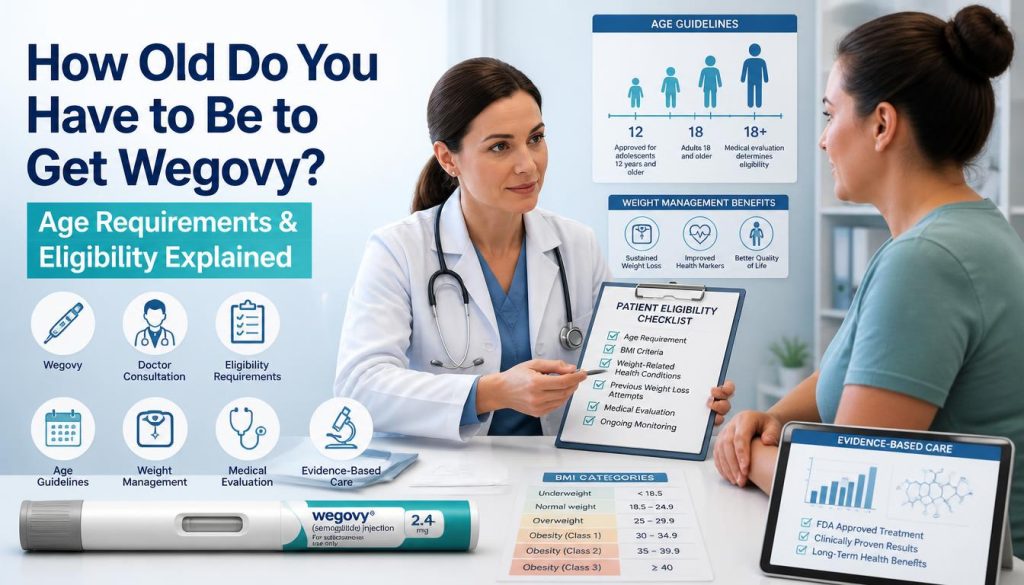
Body Mass Index or BMI is a mathematical formula that uses your height and weight to estimate body fat. While it is not a perfect measure of health, it remains the standard screening tool used by doctors from Houston to Seattle to categorize weight status.
Medical professionals use the following obesity classification system:
- Underweight: BMI below 18.5
- Normal weight: BMI 18.5 to 24.9
- Overweight classification: BMI 25 to 29.9
- Obesity classification: BMI 30 or higher
When it comes to GLP 1 medications like Ozempic, BMI serves as a gateway. It helps clinicians determine if the potential benefits of the medication outweigh the risks. If you fall into the obesity category, the medical necessity for intervention is often clearer to insurance companies and providers.
What the FDA and US guidelines say about Ozempic eligibility
It is important to understand the distinction between Ozempic and Wegovy. Both are semaglutide, but they serve different regulatory purposes. Ozempic was approved by the FDA in 2017 to improve blood sugar levels in adults with Type 2 diabetes.
In the United States, prescribing practices allow doctors to use medications off label. This means a physician in Dallas or Atlanta can legally prescribe Ozempic for weight loss if they believe it is medically appropriate for the patient. However, the FDA guidelines for semaglutide specifically for weight loss are officially associated with Wegovy. Following the Wegovy clinical trials, the standard for weight loss eligibility became a BMI of 30 or a BMI of 27 with a related health issue.
Can you qualify for Ozempic with a BMI under 30?
Many patients in the overweight category feel stuck. They may not meet the criteria for obesity, but they are struggling with metabolic issues. In these cases, your health history becomes the deciding factor.
If your BMI is between 27 and 29.9, you are considered overweight. To qualify for a semaglutide prescription at this level, you generally need to demonstrate that your weight is causing or worsening another health problem. This is where metabolic syndrome and cardiovascular risk factors play a major role. A doctor will look for signs that your weight is impacting your longevity and quality of life.
What health conditions increase your chances of qualifying
BMI is only one part of the ozempic weight loss qualification process. Healthcare providers also look for comorbid conditions. These are health issues that often exist alongside a higher BMI and can be improved with weight loss.
Key conditions include:
- Type 2 Diabetes: This is the primary indication for Ozempic.
- Hypertension: Chronic high blood pressure that requires medication.
- Dyslipidemia: High levels of LDL cholesterol or triglycerides.
- Obstructive Sleep Apnea: Breathing interruptions during sleep.
- Non alcoholic fatty liver disease: Excess fat storage in the liver.
By addressing these issues, a provider can build a stronger case for medical necessity, especially when dealing with insurance companies in competitive markets like San Francisco or Miami.
How insurance coverage depends on BMI and diagnosis
The reality of healthcare in the United States is that eligibility does not always equal coverage. Even if you meet the ozempic bmi requirements, your insurance plan may have specific rules.
Most insurance carriers prioritize coverage for Type 2 diabetes. If you do not have diabetes, getting Ozempic covered for weight loss can be difficult. Many plans require a prior authorization form where your doctor must prove your BMI and list your comorbidities. Some plans explicitly exclude weight loss medications entirely. It is vital to check your specific formulary to see how semaglutide is classified under your policy.
Ozempic vs Wegovy BMI requirements and approval differences
While both medications contain semaglutide, the labeling differences impact how you access them.
| Feature | Ozempic | Wegovy |
| FDA Approval | Type 2 Diabetes | Chronic Weight Management |
| Standard BMI | N/A (Based on Diabetes) | 30+ or 27+ with comorbidities |
| Usual Insurance Focus | Diabetes Care | Weight Loss Coverage |
| Manufacturer | Novo Nordisk | Novo Nordisk |
If you are seeking treatment in a city like Chicago or Boston, your doctor might recommend Wegovy if your primary goal is weight loss because the insurance documentation aligns better with that diagnosis.
What people get wrong about BMI and Ozempic
Social media has created several myths regarding glp 1 bmi criteria. One common misconception is that anyone who wants to lose ten pounds can get a prescription. This is not true. These are powerful medications intended for those with clinical need.
Another myth is that BMI is the only thing that matters. In reality, your heart health, kidney function, and personal medical history are equally important. A person with a lower BMI but severe metabolic dysfunction might be a better candidate than someone with a slightly higher BMI and no other health issues.
What to expect if you qualify for Ozempic
If you meet the ozempic eligibility criteria and begin treatment, it is important to have realistic expectations. Weight loss with semaglutide is typically gradual. Most clinical studies show significant results over several months, not days.
You will likely start at a low dose to allow your body to adjust. This helps minimize side effects like nausea or digestive upset. Medical supervision is required to monitor your progress and ensure the medication is working effectively alongside a healthy diet and increased physical activity.
Why not qualifying does not mean no options
If your BMI does not qualify you for Ozempic, or if your insurance denies coverage, do not lose hope. There are many other paths to health. Your provider might suggest other FDA approved weight loss medications or structured lifestyle programs.
Wellorithm is dedicated to helping patients understand all their options. Whether it is a different class of medication or a specialized nutritional plan, there is always a next step in your health journey. Eligibility criteria are meant to keep you safe, not to stand in the way of your progress.
Why demand for GLP 1 medications is rising in the United States
The surge in interest in medications like Ozempic reflects a major shift in how we view obesity in the United States. Obesity is now widely recognized as a chronic disease rather than a lack of willpower. With obesity rates climbing in states from New York to California, more people are seeking medical assistance to manage their metabolic health. The increased awareness has led to more productive conversations between patients and doctors about what is actually required to qualify for treatment.
Why Wellorithm is a trusted health resource in the United States
Wellorithm provides evidence based guidance to help you navigate the complex world of GLP 1 medications. We believe in transparency and clear communication. By focusing on the latest clinical guidelines and FDA updates, we ensure that you have the most accurate information to take to your healthcare provider. Our goal is to empower you with the knowledge needed to make informed decisions about your health.
Frequently Asked Questions
Usually, a diagnosis of Type 2 diabetes is the main requirement. For weight loss purposes, doctors generally look for a BMI of 30 or higher, or a BMI of 27 or higher accompanied by weight related health issues.
Yes, if your BMI is at least 27 and you have a condition like high blood pressure, high cholesterol, or Type 2 diabetes, you may qualify for a prescription.
Technically, Ozempic is approved for Type 2 diabetes. However, doctors often prescribe it off label for weight loss because it contains the same active ingredient as Wegovy, which is approved for weight management.
Wegovy requires a BMI of 30 or higher for most adults, or a BMI of 27 or higher for those with at least one weight related medical condition.
Coverage varies greatly. Many insurance plans only cover Ozempic for Type 2 diabetes. Coverage for weight loss often requires a specific weight loss rider on your insurance policy and a prior authorization.
Yes, healthcare providers in the United States have the discretion to prescribe FDA approved medications for uses other than what is listed on the official label if they believe it benefits the patient.
The most common qualifying conditions are Type 2 diabetes, heart disease, hypertension, high cholesterol, and obstructive sleep apnea.
Alternatives include other medications like Zepbound or Contrave, lifestyle modification programs, and nutritional counseling tailored to your metabolic needs.
Sources
- FDA Medication Guide for Ozempic: https://www.accessdata.fda.gov/drugsatfda_docs/label/2017/209637lbl.pdf
- NIH BMI Classification Guidelines: https://www.nhlbi.nih.gov/health/educational/lose_wt/BMI/bmi_dis.htm
- CDC Obesity and Overweight Definitions: https://www.cdc.gov/obesity/basics/adult-defining.html
- Clinical Studies on Semaglutide (STEP Trials): https://www.nejm.org/doi/full/10.1056/NEJMoa2032183
Ready to take the next step?
Your journey toward better health starts with the right information. Do not let confusion about BMI hold you back. Use our tools to verify your numbers and prepare for a meaningful conversation with your doctor. At Wellorithm, we make the complex simple so you can focus on what matters most: your well being. Reach out today to explore your eligibility and discover a path that works for you.