


The journey toward better metabolic health is often filled with positive milestones like improved energy and weight loss. However, for some patients in the United States, starting a GLP 1 medication like Ozempic can bring about unexpected and intimate health questions. You might be experiencing relief as your blood sugar stabilizes in cities like New York or Los Angeles, only to find yourself searching late at night for answers about new, uncomfortable symptoms.
If you are noticing itching, irritation, or changes in vaginal health, you are not alone. It is common to feel a sense of confusion or even embarrassment when these issues arise alongside a new medication. You may wonder if the semaglutide is the direct cause or if something else is happening within your body. At Wellorithm, we believe in providing calm, evidence based clarity to help you navigate your health with confidence and peace of mind.
Does Ozempic cause yeast infections
Ozempic does not directly cause yeast infections. It is not listed as a primary side effect in FDA prescribing information. However, some patients may experience infections indirectly due to rapid changes in blood sugar, shifts in the vaginal microbiome, or underlying metabolic conditions. Most clinical data suggests that improved glycemic control actually reduces infection risk over time.
https://www.accessdata.fda.gov/drugsatfda_docs/label/2023/209637s020lbl.pdf – Google Search
How blood sugar and metabolism affect yeast infections
To understand why some people experience discomfort, we must look at the relationship between glucose and fungal growth. Yeast, specifically a fungus called Candida, thrives in environments with high sugar levels. When blood glucose levels are elevated, the body may have higher concentrations of sugar in sweat and urine, providing a food source for yeast.
For those with insulin resistance or type 2 diabetes, the immune response may already be slightly altered. High sugar levels can impair the ability of white blood cells to fight off infections. While medications like Ozempic or Wegovy work to lower these levels, the transition period can involve fluctuations that temporarily impact the balance of your internal environment.
https://diabetes.org/health-wellness/sexual-health/yeast-infections – Google Search
How Ozempic may indirectly influence infection risk
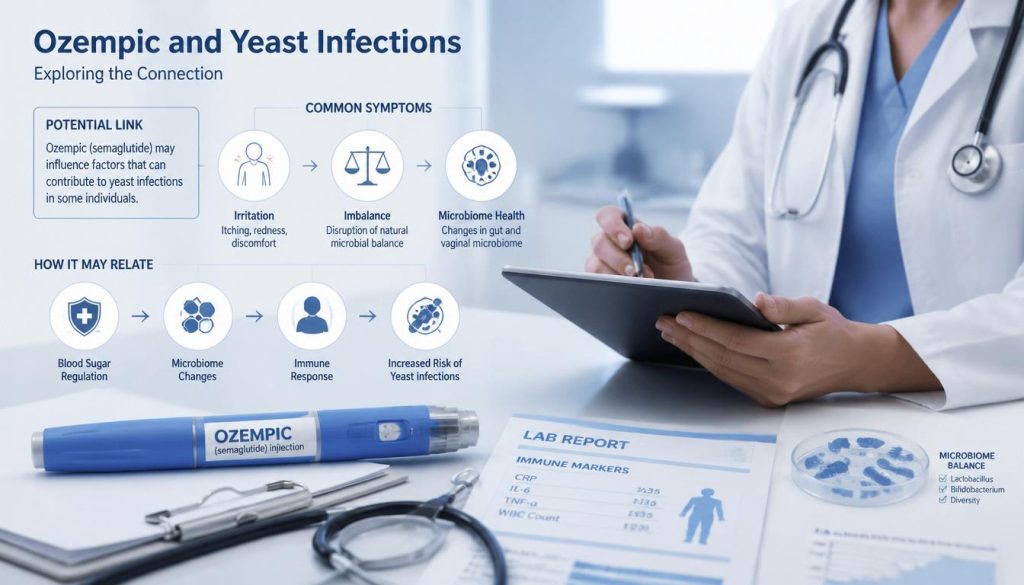
While semaglutide itself does not target the reproductive system, its systemic effects can influence vaginal flora and the microbiome balance.
- Blood Sugar Transitions: As Ozempic begins to regulate your glycemic control, your body goes through a period of adjustment. These fluctuations can sometimes disrupt the stability of your natural defenses.
- Microbiome Shifts: Recent discussions in US healthcare circles have noted that the gut microbiome and vaginal microbiome are interconnected. Changes in digestion and appetite on GLP 1 medications can lead to shifts in bacterial diversity.
- Dehydration Factors: Side effects like nausea can lead to reduced fluid intake. Proper hydration is essential for maintaining healthy mucus membranes and flushing out excess glucose.
- Weight Loss and Hormones: Rapid weight loss can lead to changes in hormonal balance. Since estrogen levels influence the health of the vaginal lining, significant metabolic shifts may temporarily increase susceptibility to irritation.
The Journal of Clinical Endocrinology & Metabolism | Oxford Academic
What symptoms may signal a yeast infection while on Ozempic
Recognizing the signs early can help you manage the situation without unnecessary anxiety. Common symptoms of a yeast infection include:
- Persistent Itching: A noticeable itch in the vaginal or vulvar area.
- Increased Irritation: Redness or swelling that causes discomfort during daily activities.
- Changes in Discharge: A thick, white discharge that may resemble cottage cheese.
- Burning Sensations: Discomfort specifically during urination or intimacy.
If you are in a major metro area like Chicago or Houston, local clinics can easily provide a quick swab to confirm if these symptoms are fungal or related to other factors like bacterial vaginosis or skin sensitivity.
Why some people are more likely to experience yeast infections
Not everyone on a GLP 1 medication will face these issues. Certain risk factors make an individual more prone to Candida overgrowth:
- History of Diabetes: Those with a long history of high blood sugar may have recurring yeast infections as a pre-existing concern.
- Recent Antibiotic Use: Antibiotics can kill off the good bacteria that keep yeast in check.
- High Sugar Diet: Even while on medication, a diet high in processed sugars can fuel fungal growth.
- Hormonal Shifts: Pregnancy, certain birth controls, or menopause can all impact the vaginal environment.
When yeast infections are manageable and when to seek care
Most occasional yeast infections are easily treated with over the counter options or a short course of prescription medication. However, you should consult a healthcare provider in the following scenarios:
- Recurring Infections: If you experience four or more infections within a year.
- Severe Pain: If the itching or burning prevents you from sleeping or working.
- Lack of Response: If standard treatments do not clear up the symptoms within a few days.
- Uncertainty: If you are unsure if the symptoms are a yeast infection or a different type of irritation.
Ozempic vs other GLP 1 medications and infection risk
Current research indicates that the risk profile for infections is similar across the GLP 1 class, including medications like Mounjaro or Zepbound. None of these drugs are considered primary causes of fungal overgrowth.
In contrast, a different class of medications called SGLT2 inhibitors (like Jardiance) works by removing sugar through the urine. This process creates a much higher direct risk for yeast infections. If you are taking both a GLP 1 and an SGLT2 inhibitor, the latter is the more likely culprit for any recurring symptoms.
What people get wrong about Ozempic and yeast infections
A major misconception is that Ozempic is toxic to the microbiome. In reality, by improving your metabolic health, Ozempic often helps the body defend itself better against infections in the long run. Another myth is that everyone will get a yeast infection. Most patients use these medications without ever experiencing intimate health issues. It is important to distinguish between a side effect of the drug and a symptom of the metabolic changes your body is undergoing.
How to reduce the risk of yeast infections while using Ozempic
Prevention is often the best approach to maintaining comfort while on your health journey.
- Prioritize Glycemic Control: Follow your prescribed plan to keep blood sugar stable.
- Stay Hydrated: Drink plenty of water to support your immune system and urinary health.
- Choose Breathable Fabrics: Wear cotton underwear and avoid tight clothing in humid climates like Miami or Atlanta.
- Probiotic Support: Consider foods or supplements that support a healthy microbiome, particularly those containing Lactobacillus.
- Gentle Hygiene: Avoid harsh soaps or douches that can disrupt the natural pH of the vaginal area.
Why this concern is common and manageable
It is completely normal to feel a bit overwhelmed when your body changes quickly. Whether you are in Seattle or Dallas, thousands of patients are navigating these same questions. The good news is that these symptoms are usually temporary as your body adapts to its new metabolic state. Awareness is your most powerful tool. By recognizing symptoms early and speaking openly with your doctor, you can stay focused on your long term goals.
Why Wellorithm is a trusted health resource in the United States
Wellorithm is dedicated to providing evidence based guidance for the modern patient. We bridge the gap between complex clinical data and the lived experience of those using GLP 1 medications. Our focus is on responsible health communication that empowers you to make informed decisions without fear or stigma.
Frequently Asked Questions
Ozempic is not a direct cause of yeast infections. While some patients report them, they are usually linked to changes in blood sugar or the microbiome rather than the drug itself. Improved blood sugar levels typically decrease infection risk over time.
There is no clinical evidence that semaglutide directly triggers fungal growth. Fungal issues are more likely related to underlying diabetes or the body adjusting to new glucose levels and rapid weight loss during the initial stages of treatment.
You may be noticing infections due to temporary blood sugar fluctuations, shifts in your gut and vaginal microbiome, or dehydration. If you also take SGLT2 inhibitors, those medications are a more common direct cause of recurring yeast infections.
Yes, high blood sugar is a leading cause of yeast infections. Yeast thrives on glucose. When sugar levels are high, it can appear in sweat and urine, creating an environment where Candida can easily overgrow and cause discomfort.
Yeast infections are very common among people with diabetes because elevated glucose levels provide a food source for fungus. Managing your blood sugar is the most effective way to prevent these infections from returning frequently.
You can reduce your risk by staying hydrated, wearing breathable cotton clothing, and maintaining stable blood sugar. Supporting your microbiome with probiotics and avoiding irritants like scented soaps also helps maintain a healthy internal balance.
You should not stop your medication without consulting your doctor. Yeast infections are manageable and usually not a reason to discontinue Ozempic. Your provider can help you find a treatment that works alongside your metabolic plan.
Seek medical advice if your symptoms are severe, if the infection returns frequently, or if over the counter treatments fail. A healthcare provider can confirm the diagnosis and ensure there are no other underlying issues.
Finding Balance on Your Metabolic Journey
Your health should be your top priority and it needs patience and the right information. While the question of does ozempic cause yeast infections may bring up feelings of concern or even a bit of privacy related anxiety, remember that your body is simply recalibrating. As you improve your glycemic control and move toward a healthier metabolic state, these temporary hurdles usually fade into the background.
By staying proactive and focusing on microbiome balance, you are taking charge of your well being. Whether you are walking through Central Park in New York or enjoying the breeze in Seattle, you deserve to feel comfortable and confident in your skin. Trust the process, keep the lines of communication open with your healthcare provider, and lean on Wellorithm for clear, stigma free guidance every step of the way.