

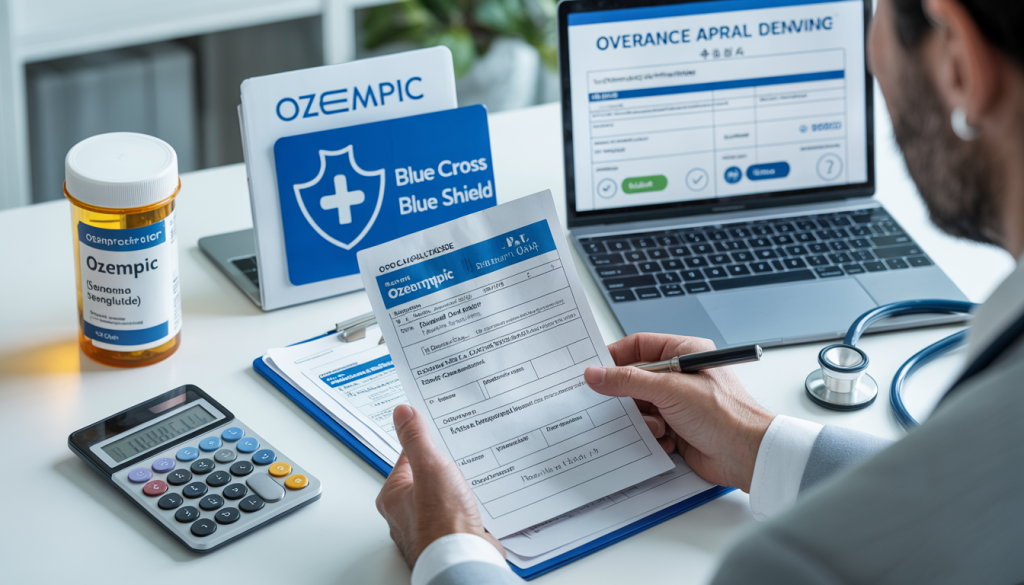
For suppose, you are standing at a pharmacy counter in Houston or Chicago, ready to start a life-changing health journey. Your doctor in New York or Los Angeles just prescribed Ozempic for weight management, and you feel a surge of hope. Then, the pharmacist delivers the news: your insurance claim was denied. The high cost shock hits, leaving you confused and frustrated. This scenario is incredibly common across the United States healthcare system, where navigating health insurance usa policies feels like a full time job. Understanding why these denials happen and how to advocate for your prescription coverage is the first step toward regaining control.
Does BCBS Cover Ozempic for Weight Loss?
Blue Cross Blue Shield generally does not cover Ozempic for weight loss. Most BCBS plans categorize Ozempic as a Tier 2 or Tier 3 medication specifically for Type 2 diabetes. While Ozempic contains semaglutide, it is not FDA approved for weight loss, which often leads to a direct denial if diabetes is not present on your medical record.
Is Ozempic Covered Without Diabetes?
Getting Ozempic covered without diabetes is very difficult. Most insurance carriers require a diagnosis of Type 2 diabetes to approve a prior authorization. While some employers offer plans with broader glp 1 insurance benefits, the majority of standard policies strictly follow FDA indications, which reserve Ozempic for glucose management rather than weight reduction.
Why Does BCBS Deny Ozempic?
BCBS denies Ozempic primarily because of plan exclusions for weight loss drugs. If your specific policy does not include a weight management benefit, the claim will be rejected regardless of medical necessity. Other common reasons include a lack of prior authorization, missing clinical documentation, or the requirement to try cheaper medications first through step therapy.
How to Get Ozempic Approved Through BCBS
To get Ozempic approved, you must demonstrate a diagnosis of Type 2 diabetes. If seeking coverage for weight loss, your doctor may need to prescribe Wegovy instead, which is the version of semaglutide specifically FDA approved for obesity. Success requires a detailed letter of medical necessity and a thorough review of your specific summary of benefits and coverage.
What Are the Requirements for GLP 1 Coverage?
Requirements for GLP 1 coverage usually include a BMI of 30 or higher. If your BMI is 27, you may still qualify if you have comorbidities like high blood pressure or high cholesterol. Most insurers also require a prior authorization and proof that you are participating in a supervised lifestyle modification program or have failed other treatments.
Understanding Ozempic and Insurance Positioning
In the USA healthcare system, Ozempic is categorized as a medication for diabetes. Even though it is the same active ingredient as Wegovy, the branding matters for insurance.
- Ozempic: FDA indicated for Type 2 diabetes.
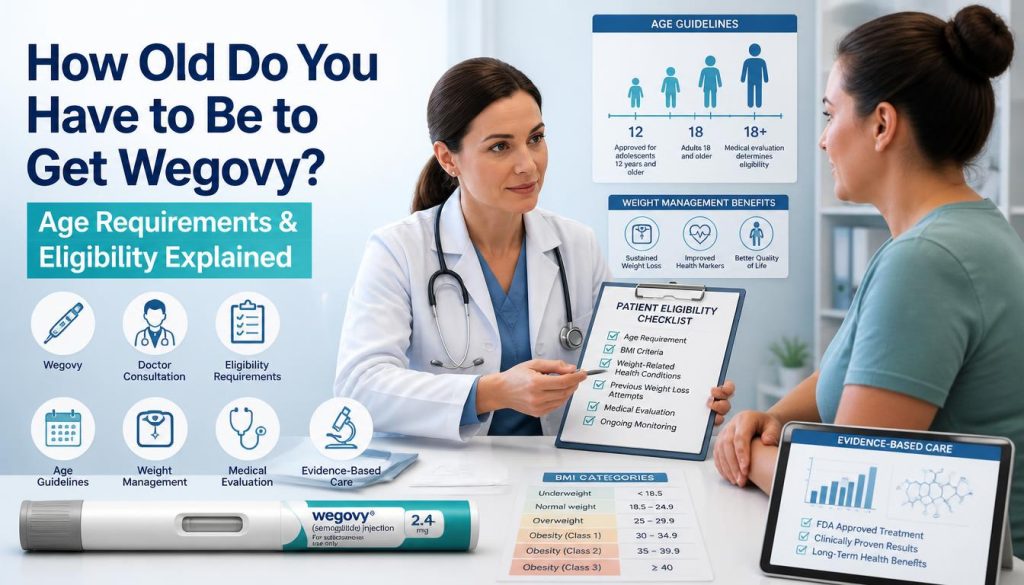
- Wegovy: FDA indicated for chronic weight management.
- Mounjaro: FDA indicated for Type 2 diabetes.
- Zepbound: FDA indicated for weight loss.
Because of these labels, a pharmacy benefit manager often blocks Ozempic claims if the diagnostic code provided by your doctor does not match the approved use.
How BCBS Coverage Actually Works
Insurance companies use a formulary tier system to manage costs. Ozempic is an expensive brand name drug, so insurers create hurdles to limit its use.
- Formulary Restrictions: Your plan might only cover certain brands.
- Step Therapy: You may be forced to try Metformin before a GLP 1 is approved.
- Cost Control: Plans in cities like Miami or Atlanta often have strict caps on weight loss spending.
When BCBS Might Cover Ozempic
Approval chances increase significantly if you have:
- Type 2 Diabetes: This is the primary path to coverage.
- Documented Medical History: Showing that other treatments failed.
- Metabolic Health Issues: Conditions like severe insulin resistance that impact your overall health.
Why Claims Get Denied
If your ozempic insurance claim was a denied claim, it likely falls into one of these categories:
- Off Label Use: Using a diabetes drug for weight loss.
- Plan Exclusions: Your employer opted out of covering weight loss medications.
- Incomplete Data: Your doctor did not provide enough lab results or BMI data.
How to Get Ozempic Covered: Step by Step
Follow these steps to navigate the bcbs prior authorization ozempic process:
- Check Your Formulary: Log into your BCBS portal to see if the drug is listed.
- Speak with Your Doctor: Ensure they use the correct ICD 10 codes for your condition.
- Request Prior Authorization: This is a formal request for coverage based on your health needs.
- Review the Denial: If rejected, read the letter to see exactly why it failed.
- File an Appeal: Use a letter of medical necessity to fight the decision.
The Power of the GLP 1 Appeal Letter
An appeal is your chance to tell your story. A strong appeal includes:
- Clinical Evidence: Recent blood work showing your metabolic health status.
- Historical Context: Proof of past weight loss attempts.
- Doctor Advocacy: A signed statement explaining why this specific medication is vital for you.
Real Cost Without Insurance
If you cannot get coverage, the zepbound cost or Ozempic price can be overwhelming.
- Retail Price: Often exceeds 1000 dollars per month.
- Savings Cards: Manufacturers offer coupons that can lower costs for eligible patients.
- Patient Assistance: Some programs provide medication for free to those with low income.
Alternatives That Insurance May Cover
If Ozempic is a no, ask about wegovy coverage or zepbound. Because these are specifically for weight loss, some plans that exclude Ozempic for obesity might actually have a path for Wegovy. You should also check for older, more affordable weight loss drugs that might be on a lower formulary tier.
Why Coverage Varies Across the USA
Your experience in Seattle might be different than in Dallas. This is because:
- Employer Choice: Large companies decide which benefits to buy for their employees.
- State Regulations: Some states have stricter laws regarding what private insurers must cover.
- Private vs Public: Medicare and Medicaid have very different rules than a private BCBS plan.
Common Misconceptions About GLP 1 Insurance
Many believe that if a doctor writes a prescription, the insurance must pay. This is not true. Others think that having a high BMI automatically guarantees coverage. In reality, the summary of benefits and coverage is the ultimate rulebook that determines what your insurance will and will not pay for.
Expert Insight: Why Approval Is Complex
The high demand for weight loss drugs has created a financial challenge for insurers. Drug pricing and healthcare economics mean that companies are constantly tightening their bmi requirements and approval criteria. Navigating this requires persistence and a clear understanding of your rights as a patient.
Why Wellorithm Is a Trusted Resource
Wellorithm acts as a bridge between complex medical data and real world patient needs. We provide the education necessary to understand glp 1 insurance coverage for non diabetics and help you find a path forward when the system feels broken. Our focus is on transparency, safety, and patient empowerment.
Take the Next Step Toward Coverage
Do not let a denial be the end of your journey. By understanding the rules of the game, you can better advocate for the care you deserve. Explore Wellorithm for more guides on navigating the cost and coverage of modern metabolic treatments.
Frequently Asked Questions
Most BCBS plans still require a Type 2 diabetes diagnosis for Ozempic coverage in 2026. Coverage for weight loss usually requires switching to a brand like Wegovy or Zepbound, depending on your specific plan.
You can get a prescription for Ozempic without diabetes, but insurance will likely not pay for it. This is considered off label use, and most insurers will deny the claim without a diabetes diagnosis.
The most common reason for denial is that the medication is being used for weight loss rather than Type 2 diabetes. Other reasons include missing a prior authorization or plan exclusions.
To appeal, you must submit a formal letter including your medical history, why other drugs did not work, and a letter of medical necessity from your healthcare provider.
Many BCBS plans do cover Wegovy if your policy includes a weight loss benefit. Wegovy is often easier to get approved for obesity because that is its primary FDA indication.
Standard requirements are usually a BMI of 30 or higher. You may also qualify with a BMI of 27 if you have a weight related condition like hypertension.
The process typically takes between three to seven business days, though it can take longer if the insurance company requires additional information from your doctor.
If brand name drugs are not covered, your doctor might suggest older weight loss medications or lifestyle programs. Some patients also look into manufacturer savings cards to reduce out of pocket costs.
Conclusion
Navigating bcbs cover ozempic for weight loss requirements in the United States requires persistence and a clear strategy. While insurance denials are common for weight management, understanding your summary of benefits and coverage and working with your doctor on a prior authorization can open doors to treatment. Whether you are in Seattle or Miami, staying informed about glp 1 insurance policies is the best way to manage your metabolic health costs. Wellorithm is here to help you turn insurance confusion into a clear plan for your wellness journey.