


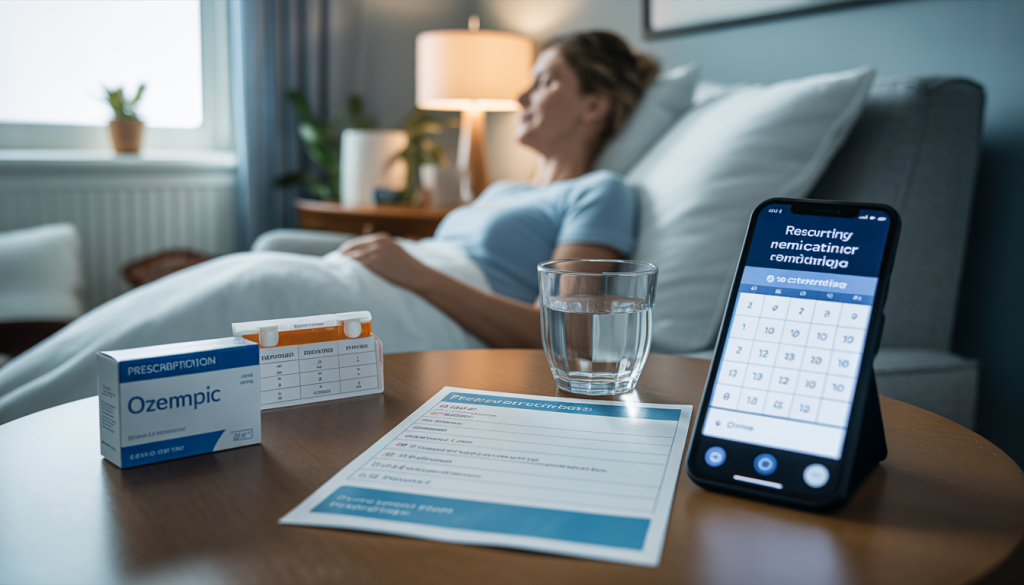
You wake up in the recovery room, groggy but relieved. Your surgery is behind you. As clarity returns, a quiet worry surfaces. You wonder when you can take your Ozempic again. You remember stopping it days ago per your surgeon’s instructions. Now, with healing underway, you wonder: Is restarting too soon risky? Will my blood sugar spike? What if nausea returns? You are not alone. Thousands of Americans managing type 2 diabetes or pursuing weight loss with GLP 1 medications face this exact uncertainty. This guide delivers clear, compassionate, and medically grounded answers to help you navigate this critical phase of recovery with confidence.
Why Ozempic Is Paused Before Surgery Understanding the Safety Protocol
GLP 1 medications like Ozempic (semaglutide) work by mimicking a natural hormone that regulates blood sugar and appetite. A key effect is slowing gastric emptying, the rate at which food moves from your stomach into your intestines. For daily life, this supports satiety and glucose control. During anesthesia, however, it introduces a specific safety consideration.
When under general anesthesia, protective reflexes like swallowing and coughing are temporarily suppressed. If the stomach contains undigested food or liquid, there is a risk of aspiration, where stomach contents enter the lungs. This can lead to serious complications like pneumonia. Because semaglutide delays stomach emptying, medical guidelines from organizations like the American Society of Anesthesiologists recommend pausing these medications before procedures requiring sedation. For weekly Ozempic injections, this typically means stopping one full week prior to surgery. For daily GLP 1 medications like Rybelsus, the pause may be shorter. This precaution is not about Ozempic being unsafe, it is about prioritizing your immediate safety during the procedure. Your surgical team implements this protocol universally because your well being in the operating room is non negotiable.
The Clear Answer When Restarting Becomes Safe
So when can you restart Ozempic after surgery? The foundational rule is this: Restart only after your healthcare provider explicitly approves it, and only once you are consistently tolerating food and fluids without nausea, vomiting, or significant abdominal discomfort. There is no universal calendar date. Safety depends entirely on your body signaling readiness, primarily through restored gastrointestinal function. For many patients recovering from minor procedures, this may occur within 48 to 72 hours. After major abdominal surgery, it could take one to two weeks or longer. Your surgeon or primary care clinician will assess your individual progress, listening for bowel sounds, confirming you are passing gas, and ensuring you can keep meals down, before giving the green light. Never restart based on a timeline you read online. Your medical team’s guidance, tailored to your procedure and recovery, is the only safe path forward.
Surgery Type Matters Your Personalized Restart Timeline
Recovery is not one size fits all. The nature of your surgery directly influences when semaglutide can be safely reintroduced. Always defer to your care team, but understanding general patterns reduces anxiety.
Minor Procedures and Outpatient Surgeries
Examples include cataract surgery, dental implants, or minor skin excisions, often performed under local anesthesia or light sedation. If you tolerated the procedure well and are eating normally within hours, your provider may approve restarting Ozempic at your next scheduled dose (typically within 1 to 3 days). Confirmation that you are hydrating well and experiencing no nausea is essential.
Orthopedic and Non Abdominal Surgeries
Procedures like knee replacements, shoulder repairs, or hernia repairs (non abdominal) involve significant healing but do not directly disrupt the digestive tract. Restarting often aligns with your ability to eat balanced meals comfortably, usually between 3 to 7 days post surgery. Pain management medications (like opioids) can also cause nausea or constipation; your team will ensure these side effects are managed before adding Ozempic back.
Major Abdominal or Gastrointestinal Surgeries
Surgeries involving the stomach, intestines, or nearby organs, such as colectomies, hysterectomies, or bariatric procedures, require the most cautious approach. Your digestive system needs time to heal and resume normal motility. Restarting Ozempic too early could overwhelm a recovering gut. Most clinicians wait until clear signs of bowel function return (passing gas, bowel movements) and you are on a regular diet, often 7 to 14 days or longer. In some complex cases, your endocrinologist and surgeon may collaborate on a gradual reintroduction plan weeks later.
Remember: These ranges are illustrative frameworks, not prescriptions. Your body’s signals and your provider’s assessment hold ultimate authority.
Five Factors That Shape Your Unique Restart Decision
Beyond surgery type, several personal factors guide the timing:
- Gastrointestinal Recovery Pace
Are you hungry? Can you eat a small meal without discomfort? Passing gas is a positive clinical indicator that your bowels are waking up. Report persistent bloating, cramping, or vomiting to your nurse or doctor immediately. - Blood Sugar Management Needs
If you use Ozempic for type 2 diabetes, your care team will closely monitor glucose levels post surgery. Temporary adjustments to insulin or other medications may bridge the gap until semaglutide resumes. Stable glucose readings support a smoother restart. - Post Operative Complications
Fever, infection, unexpected nausea, or delayed healing will postpone restarting. Safety always overrides schedule. Addressing complications comes first. - Concurrent Medications
Pain relievers, antibiotics, or anti nausea drugs can interact with or mimic GLP 1 side effects. Your provider evaluates this entire medication landscape before clearing Ozempic. - Your Pre Surgery Dose and Tolerance
If you previously experienced significant nausea on Ozempic, your doctor might recommend restarting at a lower dose temporarily. Conversely, if you tolerated it well for months, returning to your maintenance dose may be appropriate once cleared.
Open communication with your entire care team, surgeon, anesthesiologist, primary care provider, endocrinologist, is the thread connecting these factors to a safe decision.
Why Patience Protects You Risks of Restarting Too Early
Restarting semaglutide before your digestive system is ready is not merely uncomfortable, it can hinder healing. Potential consequences include:
- Amplified Nausea and Vomiting
Surgery and anesthesia already stress the stomach. Adding a gastric emptying agent prematurely can trigger severe nausea, leading to dehydration or electrolyte imbalances when your body needs fluids most. - Compromised Nutrition and Wound Healing
Consistent nutrient intake fuels tissue repair. If Ozempic causes you to eat less or vomit, your body lacks the protein and calories essential for closing incisions and rebuilding strength. - Blood Sugar Instability
For diabetic patients, an unexpected drop in glucose (if other medications are not adjusted) or a spike (if Ozempic is ineffective due to poor absorption) creates dangerous fluctuations during a vulnerable period. - Confusion with Surgical Symptoms
Nausea from Ozempic could mask or mimic signs of a surgical complication, delaying critical intervention.
These risks are entirely avoidable. Waiting for medical clearance is not delay, it is deliberate, protective care. Your short term patience safeguards your long term recovery and medication success.
Your Step by Step Guide to Restarting Safely
When your provider gives approval, follow this supportive protocol:
- Confirm the Exact Timing and Dose
Ask directly: Should I take my usual dose? Is today the correct day? Write down the instructions. - Ensure You Are Eating Consistently
Restart only after consuming soft or regular foods for at least one full day without issues. Start with bland, balanced meals, oatmeal, scrambled eggs, broth based soups. - Hydrate Diligently
Sip water steadily throughout the day. Dehydration worsens GLP 1 side effects. Aim for clear or light yellow urine. - Monitor Closely for 48 Hours
Note any nausea, stomach pain, or changes in blood sugar. Have your glucose meter handy if applicable. Contact your provider if symptoms feel severe or unusual. - Coordinate With Your Entire Care Team
Inform your endocrinologist or prescribing doctor that you have restarted. Share updates with your surgeon’s office during follow up calls.
Many patients restart smoothly with no issues. This structured approach minimizes surprises and keeps you in control.
Managing Health While Temporarily Off Ozempic
The pause before and after surgery is intentional and safe. Here is how providers typically support your health during this window:
- For Type 2 Diabetes Management
Your team will create a perioperative plan. This often includes temporary insulin protocols, adjustments to metformin or other oral medications, and frequent glucose checks in hospital and at home. Do not adjust diabetes medications on your own, follow the prescribed bridge plan precisely. - For Weight Management Focus
A short break of 1 to 2 weeks is highly unlikely to cause meaningful weight gain. Your body is prioritizing healing, not fat storage. Focus on gentle movement as approved, adequate protein intake for repair, and hydration. Stress that this pause is a strategic part of your overall health journey, not a setback. - Nutrition Emphasis
Work with a dietitian if available. Prioritize lean proteins, vegetables, and complex carbohydrates in portions your stomach tolerates. Avoid heavy, greasy, or sugary foods that strain digestion post surgery.
This period is temporary. Your commitment to the full surgical and recovery process demonstrates profound self care.
Frequently Asked Questions
There is no single answer. Wait until your healthcare provider confirms you are eating normally and your digestive system has recovered. This ranges from 1 to 3 days after minor procedures to 1 to 2 weeks or more after major abdominal surgery. Never restart without explicit medical approval.
No. Ozempic should never be taken immediately after anesthesia. Your stomach function needs time to return to baseline. Restarting too soon increases risks of nausea, vomiting, and aspiration. Always wait for your care team’s clearance.
Usually, you resume your previous maintenance dose. However, if you had significant side effects before surgery, or if your provider recommends caution due to your recovery, starting at a lower dose for one cycle may be advised. Discuss this specifically with your doctor.
Yes, Ozempic is safe to restart after major surgery once your surgical team confirms your gastrointestinal tract is healing well and functioning. Safety depends entirely on timing aligned with your individual recovery progress, not the medication itself.
Missing doses before surgery is intentional and medically necessary. Your healthcare team plans for this. For diabetes patients, alternative glucose management strategies are put in place. For weight management, a short pause has minimal impact. This protocol protects you during anesthesia and is a standard, safe practice.
You Are on the Path to Full Recovery
Taking Ozempic is part of your commitment to health. Pausing it for surgery is equally part of that commitment, a thoughtful step to ensure your procedure is as safe as possible. Restarting it at the right moment continues that journey with wisdom. Trust the process. Trust your body’s signals. Most importantly, trust the medical professionals guiding you. Thousands of patients successfully navigate this pause and restart each year, returning to their GLP 1 regimen stronger and healthier. Your focus right now is healing. Let that be enough. With clear communication and patience, you will resume your medication safely, supported by a team dedicated to your well being.
For more evidence based resources on GLP 1 medication safety, preparing for surgery while managing chronic conditions, or understanding your recovery roadmap, explore the health guides at Wellorithm. We translate complex medical guidelines into clear, compassionate information so you can make informed decisions with confidence. Your health journey deserves clarity and care.