


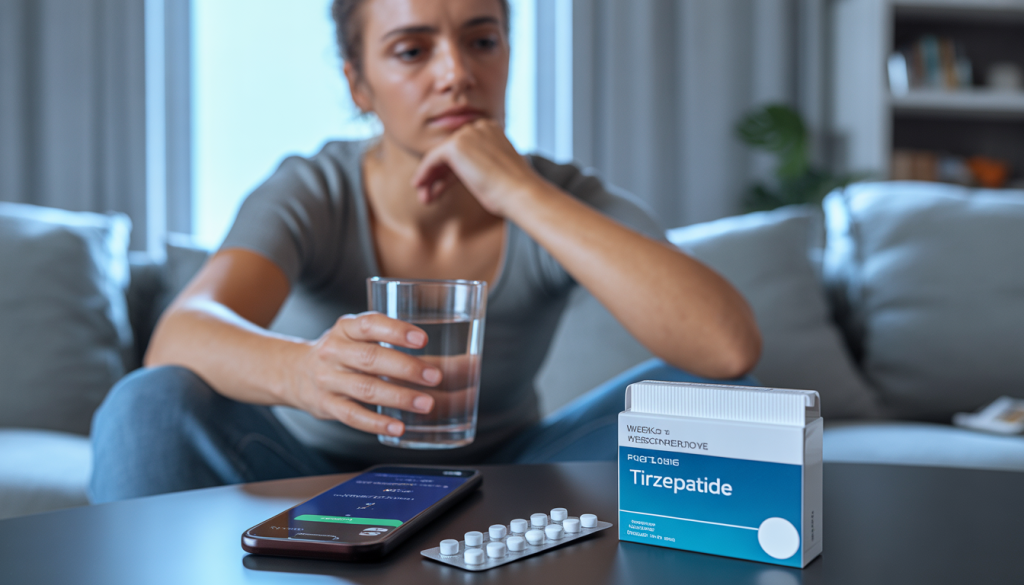
It is late at night. The house is quiet, and the blue light of your phone screen is the only thing illuminating the room. You have been taking tirzepatide for a few weeks, or perhaps you are just about to start, and something feels different. Maybe you feel a heaviness in your chest that has nothing to do with indigestion. Maybe your usual enthusiasm has dampened, or you find yourself scrolling through forums looking for answers about tirzepatide side effects.
You are not alone in asking these questions.
While weight loss medications like Mounjaro and Zepbound have revolutionized how we treat obesity and type 2 diabetes, the journey is not always purely physical. The connection between our gut, our brain, and our hormones is profound. When you change how your body processes food, you inevitably touch upon how your brain processes emotion.
At Wellorithm, we believe that understanding your metabolic health requires looking at the whole person. That includes your mental well-being. This guide is designed to walk you through the complex relationship between tirzepatide and mood changes, separating fear from fact so you can navigate your health journey with confidence and safety.
What Is Tirzepatide and How It Works
To understand why you might be feeling changes in your mood, we first need to look at what tirzepatide is actually doing inside your body. It is often grouped with GLP 1 medications like Ozempic or Wegovy, but tirzepatide is unique. It is a dual agonist. This means it mimics two different natural hormones.
The first is GLP 1, or glucagon-like peptide-1. The second is GIP, or glucose-dependent insulinotropic polypeptide.
These hormones are chemical messengers. Under normal circumstances, your gut releases them after you eat. They tell your pancreas to release insulin to handle sugar, but they also travel to your brain. Specifically, they target the areas of the brain that regulate appetite and cravings.
By activating these receptors, tirzepatide slows down how fast your stomach empties. This keeps you full for longer. Simultaneously, it sends a powerful signal to the brain that says you have had enough to eat. It quiets the constant food noise that makes weight loss so difficult for so many people.
However, because these medications work directly on the brain and central nervous system, it is scientifically plausible to ask if they affect other brain functions, such as mood regulation and emotional stability.
Can Tirzepatide Cause Depression
This is the most critical question. The short answer is that depression is not currently classified as a common side effect of tirzepatide in the same way that nausea or reflux are. However, the complete answer is more nuanced.
During the extensive clinical trials for tirzepatide, known as the SURMOUNT and SURPASS trials, researchers monitored participants closely for adverse events. These studies did not find a significant increase in cases of depression or suicidal ideation caused directly by the medication compared to the placebo groups.
That said, regulatory agencies like the FDA take mental health side effects of weight loss injections very seriously. This caution stems from older generations of weight loss drugs that did have severe psychiatric risks. Because of this history, providers are often trained to monitor for mood changes when prescribing any medication that alters weight and brain chemistry.
While the data suggests tirzepatide does not chemically induce depression in the majority of users, real-world experiences can vary. There are anecdotal reports in online communities where users describe feeling flat, anxious, or unusually down. It is vital to validate these feelings. If you feel different, that experience is real, regardless of what the statistical averages say.
The link between tirzepatide and mood swings may not be a direct toxicity of the drug but rather a secondary effect of the profound changes occurring in your body and lifestyle.
What Clinical Research Says About Mental Health Effects
When we look at the hard data regarding mental health side effects of tirzepatide, the safety profile is generally reassuring.
In the SURMOUNT-1 trial, which studied tirzepatide for obesity, suicidal ideation and behavior were assessed using the Columbia-Suicide Severity Rating Scale. The results showed that reports of suicidal ideation were rare and generally similar between the people taking the drug and those taking the placebo.
Furthermore, a large-scale analysis of electronic health records published in 2024 looked at patients prescribed semaglutide (a similar GLP 1 medication). This study actually found a lower risk of suicidal ideation in patients taking the medication compared to those taking other non-GLP 1 anti-obesity or anti-diabetes drugs. While this study was on semaglutide, the mechanisms are similar enough that many experts find the data encouraging for the entire class of incretin mimetics, including tirzepatide.
However, science is always evolving. As these medications move from controlled trials to the general population of millions, rare side effects can surface. This is why ongoing monitoring is essential. Currently, there is no definitive clinical evidence stating that tirzepatide directly causes depression, but research is ongoing to ensure long-term safety.
Why Some People May Notice Mood Changes
If the drug does not directly damage mental health, why do some people search for terms like does tirzepatide affect mental health or tirzepatide anxiety and depression? There are several physiological and psychological reasons why your mood might dip after starting treatment.
The Loss of the Dopamine Hit
For many people, food is a primary source of dopamine. It is a coping mechanism for stress, sadness, or boredom. Tirzepatide works by reducing the reward signals we get from food. When you remove your primary coping strategy but do not replace it with a new one, you can experience a state of anhedonia, which is the inability to feel pleasure. You might not be clinically depressed, but you are mourning the loss of comfort eating.
Rapid Weight Loss and Hormones
Fat tissue involves more than just energy storage. It is biologically active tissue that stores hormones, including estrogen. When you lose weight rapidly, these stored hormones are released into your bloodstream. This hormonal flux can mimic the mood swings associated with puberty, menopause, or postpartum states.
Caloric Deficit and Energy Levels
A significant reduction in calories can affect your energy and brain function. If your blood sugar drops too low or you are simply not fueling your body enough, you can experience irritability, brain fog, and fatigue. These physical symptoms can easily be mistaken for or trigger a depressive episode.
Nutrient Deficiencies
Eating significantly less means you are taking in fewer vitamins and minerals. Deficiencies in Vitamin B12, Vitamin D, and iron can all present as depression or anxiety. If you are not prioritizing nutrient-dense foods while on tirzepatide, your brain might be starving for the building blocks it needs to regulate mood.
Who Should Be Extra Cautious
While tirzepatide is safe for most, certain individuals should approach treatment with increased mindfulness regarding their mental health.
History of Major Depressive Disorder
If you have a history of clinical depression, you are statistically more vulnerable to mood fluctuations. This does not mean you cannot take the medication, but it does mean you should have a safety plan in place.
Previous Suicidal Ideation
Anyone with a history of suicidal thoughts or attempts requires careful evaluation. The FDA label for weight management medications often includes a warning to monitor for these symptoms specifically in this population.
Those with Severe Anxiety
Some users report that the increase in heart rate, which is a known side effect of GLP 1 medications, can physically mimic a panic attack. If you have a panic disorder, the physical sensation of a faster heartbeat might trigger anxiety even without a mental cause.
People Going Through Major Life Stress
If you are currently navigating a divorce, job loss, or bereavement, your emotional reserves are already low. Adding a potent metabolic medication that changes your relationship with food can sometimes be the straw that breaks the camel’s back.
Warning Signs That Require Medical Attention
It is important to distinguish between having a bad week and experiencing a serious mental health adverse event. Knowing the red flags can help you act quickly.
Please seek immediate medical help if you experience:
Persistent Sadness
Feeling down for a day or two is normal. Feeling a dark cloud that will not lift for two weeks or more requires attention.
Loss of Interest in Everything
While losing interest in food is expected on tirzepatide, losing interest in your family, hobbies, job, and friends is not. This is a hallmark sign of depression.
Sleep Disturbances
Significant changes in sleep, whether it is insomnia or sleeping all day, can indicate a mood disorder.
Severe Mood Instability
If you find yourself snapping in anger, crying uncontrollably for no reason, or feeling intense panic, this is a sign that your body or mind is not tolerating the current situation well.
Suicidal Thoughts
This is the most critical warning sign. If you have thoughts of harming yourself, or if you feel that the world would be better off without you, this is a medical emergency. You must stop the medication and contact a healthcare professional or a crisis line immediately.
How to Protect Your Mental Health While on Tirzepatide
Protecting your peace of mind is just as important as lowering your A1C or body weight. Here are proactive steps you can take to safeguard your mental wellness during your treatment.
Prioritize Nutrient Density
Since you are eating less, every bite counts more. Focus on proteins, healthy fats, and complex carbohydrates that support brain health. Omega 3 fatty acids found in fish and walnuts are excellent for brain function.
Hydration is Key
Dehydration is a common side effect of GLP 1s and can cause fatigue and anxiety. tracking your water intake can make a surprising difference in your daily mood.
Establish New Coping Mechanisms
If food was your stress reliever, you must find a replacement. This might be walking, calling a friend, meditation, or a creative hobby. You need to give your brain a new way to release dopamine.
Monitor Your Blood Sugar
Even if you do not have diabetes, rapid changes in blood sugar can cause mood swings. Ensure you are eating small, regular meals to keep your glucose levels stable.
Keep a Mood Journal
Track your moods alongside your weight. This helps you and your doctor see patterns. You might notice your mood dips on injection day or the day after, which can help in adjusting your dosage timing.
Stay Connected to Your Provider
Do not wait until you are in crisis to talk to your doctor. Be open about your mental state during your regular check ins. A good provider will ask about your mood, but if they do not, you should bring it up.
FAQs
Depression is not listed as a common side effect on the FDA label for tirzepatide. Clinical trials did not show a high risk of depression compared to placebo. However, health authorities recommend monitoring for mood changes as a precaution.
Mounjaro is not clinically proven to cause mood changes directly. However, users may experience mood shifts due to rapid weight loss, hormonal changes, or the psychological impact of losing food as a coping mechanism.
Yes, GLP 1 medications like tirzepatide cross the blood brain barrier to regulate appetite and satiety centers. Because they act on the central nervous system, there is a potential for them to influence other neural pathways, though severe psychiatric effects are rare.
If you experience new or worsening symptoms of depression, you should contact your healthcare provider immediately. Do not stop the medication abruptly without medical advice unless you are experiencing severe psychological distress or suicidal thoughts, in which case you should seek emergency care.
Most people with a history of depression can safely take tirzepatide. However, it is crucial to disclose your full mental health history to your prescribing doctor so they can monitor you more closely for any recurrence of symptoms.
Reassuring Final Takeaway
Navigating the world of metabolic health is a journey that involves your body, your mind, and your emotions. It is natural to have questions about can tirzepatide cause depression and to worry about the unseen effects of medication.
The evidence we have today is encouraging. It suggests that for the vast majority of people, tirzepatide is a safe tool that improves health without compromising mental stability. In fact, many people find that as they lose weight and regain their physical mobility, their mental health actually improves.
However, your experience is yours alone. If you feel off, listen to that intuition. Mental health side effects of tirzepatide are rare, but your well-being matters. Treatment should never come at the cost of your happiness or peace of mind.
Conclusion:
At Wellorithm, we are committed to providing you with the balanced, evidence-based guidance you need to make these decisions. We believe in empowering you with knowledge so you can advocate for yourself in the doctor’s office and at home. Weight loss is a complex biological process, and having a trusted resource to turn to helps simplify the path forward.
If you are looking for more deep dives into metabolic health, safety profiles of medications, or holistic strategies to support your weight loss journey, we invite you to explore the wealth of articles available here at Wellorithm. Your health is a holistic picture, and we are here to help you see it clearly.