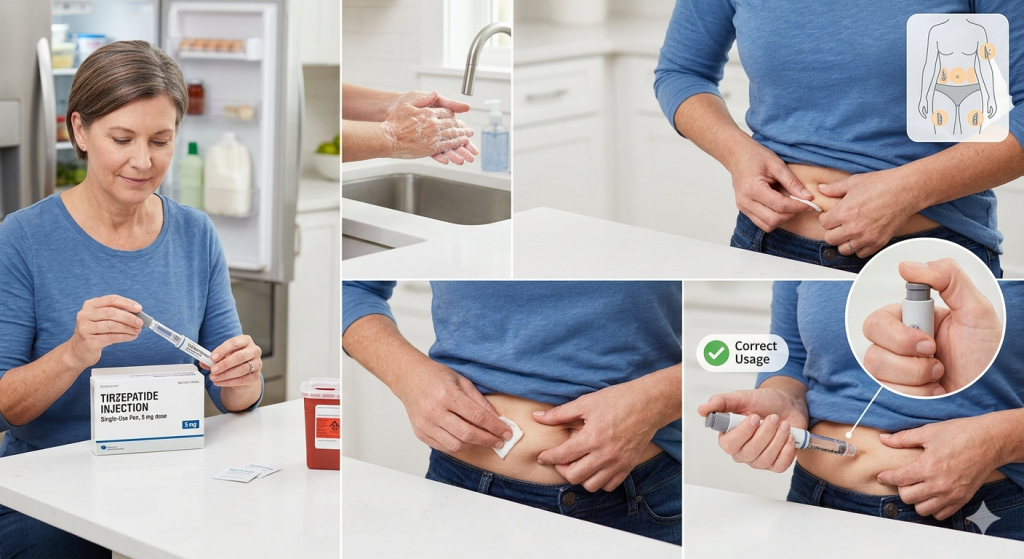

Weight loss is no longer viewed as a simple matter of willpower but rather as a complex metabolic shift influenced by modern GLP-1 and GIP therapies. In the United States, medications like tirzepatide have transformed how we approach chronic weight management and type 2 diabetes. However, as more patients begin their journey toward metabolic health, a common question arises during the quiet hours of the afternoon or the morning after an injection: Why am I so tired? Understanding the intersection of medication and energy is essential for long-term success.
Why Does Tirzepatide Cause Fatigue in Some People?
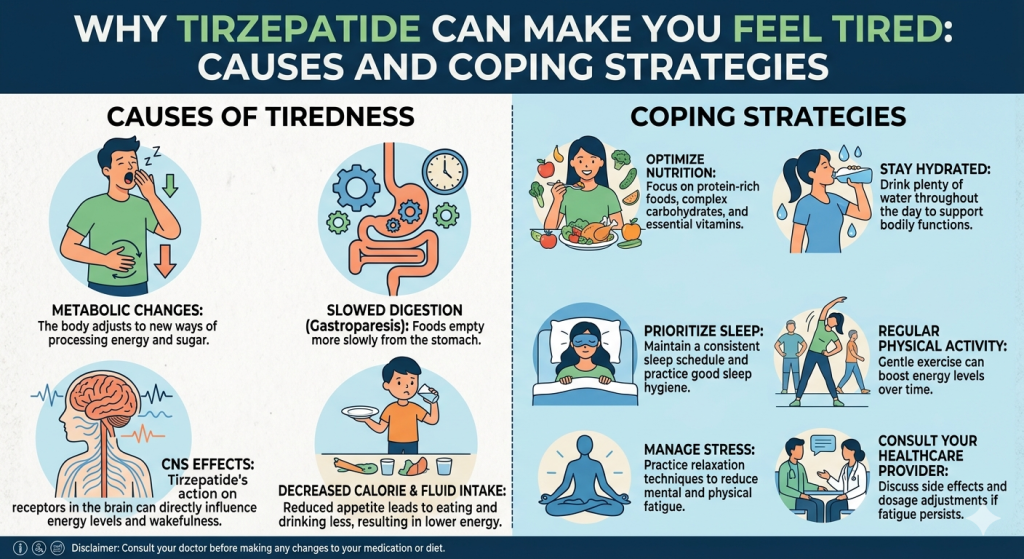
Tirzepatide causes fatigue primarily because it fundamentally alters how your body processes fuel and manages signals between the gut and the brain. While not everyone experiences this side effect, a significant number of patients report a period of lethargy as their system recalibrates to a new metabolic “set point.”
The relationship between GLP-1 GIP receptor agonists and energy levels
Tirzepatide is a dual agonist, meaning it mimics two different hormones in the body: glucagon-like peptide-1 (GLP-1) and glucose-dependent insulinotropic polypeptide (GIP). These hormones regulate insulin secretion and slow down digestion, which can occasionally lead to a temporary mismatch between the energy you consume and the energy your brain thinks is available.
Why temporary tiredness is a commonly reported patient experience
Clinical observations in the USA suggest that fatigue is one of the top reported side effects, often ranking just behind gastrointestinal issues. This tiredness is usually transient, meaning it tends to fade as the body becomes accustomed to the medication’s presence in the bloodstream.
How your body adapts to metabolic changes during early treatment
During the first few weeks, your body is learning to operate with lower circulating blood sugar and a different hormonal profile. This “metabolic keto-adaptation” or shift in fuel sourcing can leave you feeling drained while your mitochondria and cells adjust to the new environment.
How Blood Sugar Stabilization Impacts Your Daily Energy
Stabilizing blood sugar is a primary goal of tirzepatide, yet the process of moving from high glucose levels to a healthy range can be taxing on your stamina. When your body is used to “running hot” on high sugar, a shift toward stability can initially feel like a loss of power.
The transition period from high glucose to stable metabolic health
Many patients entering treatment have lived with insulin resistance or elevated glucose for years. When tirzepatide begins to lower these levels efficiently, the brain, which is a glucose-hungry organ, may signal fatigue as it adjusts to the new, steadier supply of fuel.
Understanding the adjustment phase of insulin sensitivity
Improved insulin sensitivity means your cells are becoming more efficient at taking up glucose. While this is an excellent long-term health outcome, the cellular “re-wiring” that happens during this phase requires metabolic work, which can manifest as physical tiredness.
Why a drop in blood sugar can mimic feelings of exhaustion
Even if your blood sugar is technically in a “normal” range, the rapid descent from previously high levels can trigger symptoms similar to mild hypoglycemia. Patients often describe this as a heavy-limbed feeling or a “brain fog” that persists throughout the day.
Does Reduced Caloric Intake Play a Role in Feeling Tired?
Yes, reduced caloric intake is a major contributor to fatigue because calories are quite literally the units of energy your body needs to function. When tirzepatide effectively suppresses your appetite, you may inadvertently consume less fuel than your basal metabolic rate requires.
The biological link between appetite suppression and available fuel
Tirzepatide works so well at the “satiety center” of the brain that the physical urge to eat can disappear. If you are only eating 1,000 calories when your body needs 1,600 to maintain basic functions, your body will compensate by slowing down non-essential movement, leading to lethargy.
Why under-fueling happens frequently in the first few weeks
New patients are often so excited by the lack of food noise that they forget to eat intentionally. This accidental fasting can lead to depleted glycogen stores in the muscles, making even simple tasks like walking up stairs feel much more difficult than usual.
Tracking macronutrients to ensure your body has sufficient energy
To combat this, many providers in the USA recommend tracking protein and healthy fats. Ensuring you hit a minimum threshold of nutrients helps maintain your energy envelope even while the weight loss medication is working its magic.
What Role Do Gastrointestinal Side Effects Play in GLP-1 Fatigue?
Gastrointestinal (GI) side effects can indirectly cause exhaustion by disrupting your nutrition, hydration, and overall comfort. When your digestive system is working overtime to process medication changes, your overall energy reserves are naturally diverted.
How nausea and slowed gastric emptying can lead to lethargy
Nausea is a common side effect that makes the idea of eating or moving unappealing. Furthermore, delayed gastric emptying means food stays in your stomach longer, which can make you feel heavy and sluggish rather than energized after a meal.
The impact of dehydration on physical and mental stamina
Many patients lose their thirst cue along with their hunger cue while on GLP-1 therapies. Dehydration is a leading cause of fatigue and headaches in the metabolic health community, as water is essential for every chemical reaction in the body.
Why digestive discomfort may interfere with restorative sleep
If you are experiencing heartburn or bloating at night, the quality of your REM sleep may suffer. You might sleep for eight hours but wake up feeling unrefreshed because your body was busy managing digestive distress rather than repairing tissue.
When Does Tiredness Typically Occur After Your Injection?
Fatigue often follows a predictable rhythm based on the half-life of the medication. Most patients notice a specific window where they feel the “heaviest” before their energy levels begin to rebound toward the end of the week.
Understanding the peak period of medication concentration
Tirzepatide usually reaches its peak concentration in your blood about 24 to 48 hours after your subcutaneous injection. This is when the hormonal signals are strongest and when the body is under the most significant metabolic pressure.
Why fatigue may feel more intense in the 24 to 48 hours post-dose
The first two days after your “shot day” are frequently the most challenging. During this window, the slowing of the stomach is most pronounced, and the appetite suppression is at its highest, creating a temporary energy deficit.
Managing energy dips during the first three days of the shot cycle
Experienced patients often plan their “rest days” to coincide with the two days following their injection. By anticipating this dip, you can adjust your expectations and avoid scheduling high-intensity meetings or workouts during this time.
How Do Dosage Adjustments and Titration Affect Fatigue Levels?
The process of increasing your dose, known as titration, is a frequent trigger for renewed bouts of tiredness. Each time you step up to a higher milligram strength, your body must go through the adaptation process all over again.
Why energy changes often resurface when increasing your dose
Even if you felt great on a 2.5mg dose, moving to 5mg or 7.5mg introduces a stronger signal to your system. This “re-adaptation” phase can cause a temporary return of fatigue that lasts for one or two weeks after the adjustment.
The clinical logic behind slow titration to minimize side effects
The FDA-approved titration schedule is designed specifically to let your body adjust gradually. Rushing to a higher dose too quickly is a common mistake that leads to overwhelming exhaustion and severe GI issues.
What to expect when transitioning from starter to maintenance doses
As you move toward your maintenance dose, your body typically becomes more resilient. Most patients find that once they stay on a consistent dose for several months, the profound fatigue is replaced by a more stable, sustainable energy level.
Can GLP-1 Affect Sleep Quality and Energy Patterns?
While some people feel sleepy, others experience a “tired but wired” sensation that can disrupt their normal sleep-wake cycle. The way metabolic medications interact with the nervous system is highly individualized.
Addressing tired but wired sensations at night
Some patients report that while they feel physically exhausted, their mind remains active at night. This can be due to changes in blood sugar regulation or the body’s stress response to a significant decrease in caloric intake.
How metabolic changes influence circadian rhythm
Your metabolic health and your sleep cycle are deeply linked. As tirzepatide changes your hormones, it can subtly shift your internal clock, making you feel sleepy earlier in the evening or causing you to wake up earlier than usual.
Daytime sleepiness versus true clinical insomnia
It is important to distinguish between “I need a nap” and “I cannot sleep at night.” If the medication is causing true insomnia, it may be worth discussing a timing change for your injection with your healthcare provider.
What Lifestyle Factors Make Tirzepatide Fatigue Worse?
Certain daily habits can amplify the tiredness caused by the medication. Identifying these “energy drains” is the first step toward feeling better while on your weight loss journey.
Why sedentary behavior can increase tiredness
It seems counterintuitive, but sitting all day can actually make GLP-1 fatigue worse. Gentle movement helps circulate blood and stabilize glucose, which can often lift the “fog” that comes with the medication.
Hydration and electrolyte balance while on GLP-1
In the USA, many specialists recommend adding electrolytes to your water. Since tirzepatide can cause you to lose water weight quickly, you may also be losing sodium, potassium, and magnesium, all of which are vital for nerve function and energy.
How stress and cortisol interact with metabolic medication
High stress levels release cortisol, which can work against the blood-sugar-stabilizing effects of tirzepatide. Managing your mental load is just as important as managing your dose when it comes to maintaining energy.
How Can You Boost Energy While Taking GLP-1?
Boosting your energy is about working with the medication rather than against it. Small, intentional changes to your routine can significantly improve how you feel on a daily basis.
Prioritizing protein and complex carbohydrates
Protein is the building block of muscle, and muscle is your primary metabolic engine. Eating enough protein, aiming for 25 to 30 grams per meal, can help prevent the muscle loss that often contributes to feelings of weakness.
Gentle movement and exercise snacking for energy
Instead of a grueling hour-long gym session, try “exercise snacks”, five to ten minutes of walking or stretching several times a day. This keeps your metabolism active without overtaxing your limited energy reserves.
Timing injections around work and rest schedules
If your fatigue is most intense 48 hours after your shot, try taking your injection on a Friday evening. This allows you to navigate the peak fatigue over the weekend when you may have more flexibility to rest.
Is Fatigue a Sign of Nutritional Deficiencies During Weight Loss?
When you lose weight rapidly, your body’s demand for certain nutrients can change. Sometimes the fatigue isn’t from the medication itself, but from a secondary deficiency that has developed.
Vitamin B12 and iron considerations
GLP-1 medications can sometimes interfere with the absorption of certain vitamins, and reduced meat intake can lead to lower iron levels. Low B12 and iron are classic culprits for chronic tiredness and should be monitored.
Why rapid weight loss increases micronutrient demand
The process of breaking down fat stores and clearing them from the body requires a host of vitamins and minerals. If your diet is limited due to low appetite, you may not be meeting these increased demands.
Discussing lab work with your provider
Regular blood work is a standard part of metabolic care in the USA. If your fatigue is persistent, your doctor can check your levels to see if a high-quality supplement is necessary to get you back on your feet.
How Can You Tell the Difference Between Normal Fatigue and a Problem?
While some tiredness is expected, it should never be debilitating. Knowing the “red flags” helps you stay safe while pursuing your health goals.
Signs of dehydration or hypoglycemia
If your fatigue is accompanied by extreme thirst, dark urine, or dizziness when standing up, you are likely dehydrated. Hypoglycemia (low blood sugar) may feel like shakiness, sweating, or intense irritability.
When tiredness becomes weakness or fainting
General fatigue is feeling like you need a nap; weakness is feeling like you cannot lift a grocery bag. If you feel faint or lose consciousness, this is a medical emergency and requires immediate attention.
Mood changes and mental health signals
Fatigue can sometimes overlap with symptoms of depression or low mood. If you find that your lack of energy is accompanied by a loss of interest in things you usually love, it is time to talk to a professional.
When Should You Talk to a Healthcare Provider About Fatigue?
You are the expert on your own body. If your energy levels are preventing you from living your life, you should never hesitate to reach out to your medical team for a consultation.
Logging symptoms and energy patterns
Keep a simple log of when you take your shot, what you eat, and how your energy feels on a scale of 1 to 10. This data is incredibly helpful for your doctor to identify patterns and suggest adjustments.
Questions to ask your provider
- “Is my level of fatigue within the normal range for this dose?”
- “Should we check my B12, Iron, or Vitamin D levels?”
- “Would a slower titration schedule help my body adjust better?”
Discussing dose timing or supportive care
Your provider might suggest split dosing (if appropriate) or prescribe supportive care to manage nausea, which in turn can help improve your energy levels.
Pros and Cons of Energy Shifts on Tirzepatide
| Feature | Pros (The Silver Lining) | Cons (The Challenges) |
| Metabolic Shift | Signals the medication is effectively changing your metabolism. | Can make the first few weeks feel physically demanding. |
| Appetite Suppression | Leads to consistent weight loss and reduced “food noise.” | Risk of accidental under-fueling and low energy. |
| Blood Sugar Stability | Reduces long-term risks of diabetes and heart disease. | Temporary “sugar crashes” as the body finds its new baseline. |
| Rest Period | Forces a slower pace of life and more focus on self-care. | May interfere with high-intensity work or exercise schedules. |
Comparison of Fatigue Causes
- Medication Peak: Occurs 24-48 hours after injection; feels heavy and physical.
- Under-fueling: Occurs anytime calories are too low; feels like “hitting a wall” during activity.
- Dehydration: Often accompanied by headaches; feels like a “foggy” or dull tiredness.
- Nutrient Deficiency: Persistent over weeks; doesn’t improve with rest or a good meal.
Summary of Key Insights
Managing fatigue on tirzepatide is a balancing act of hydration, nutrition, and patience. Most patients find that as their metabolic health improves and they learn to fuel their bodies intentionally, the tiredness lifts, revealing a more energetic and vibrant version of themselves.
Frequently Asked Questions
No, for the vast majority of patients, fatigue is a temporary side effect that occurs during the initial weeks of treatment or after a dose increase. Your body eventually adapts to its new metabolic state.
This is typically when the medication reaches its highest concentration in your system. Your body is working hard to process the hormonal signals, which can temporarily drain your energy reserves.
Many patients find that B12 or a comprehensive multivitamin helps, but you should always consult your healthcare provider before starting new supplements to ensure they are right for your specific needs.
You don’t need to stop, but you may need to pivot. Switching to lower-intensity activities like walking or swimming can actually help boost your energy without causing complete exhaustion.
Yes, brain fog is often a result of the transition to stable blood sugar levels or slight dehydration. Increasing your water intake and ensuring you eat regular, protein-rich snacks can often clear the fog.
Conclusion:
If you are currently struggling with fatigue, try increasing your water intake by 16 ounces a day and prioritizing 30 grams of protein at breakfast. Monitor your energy for one week and share those notes with your doctor.